
Soups & Stews
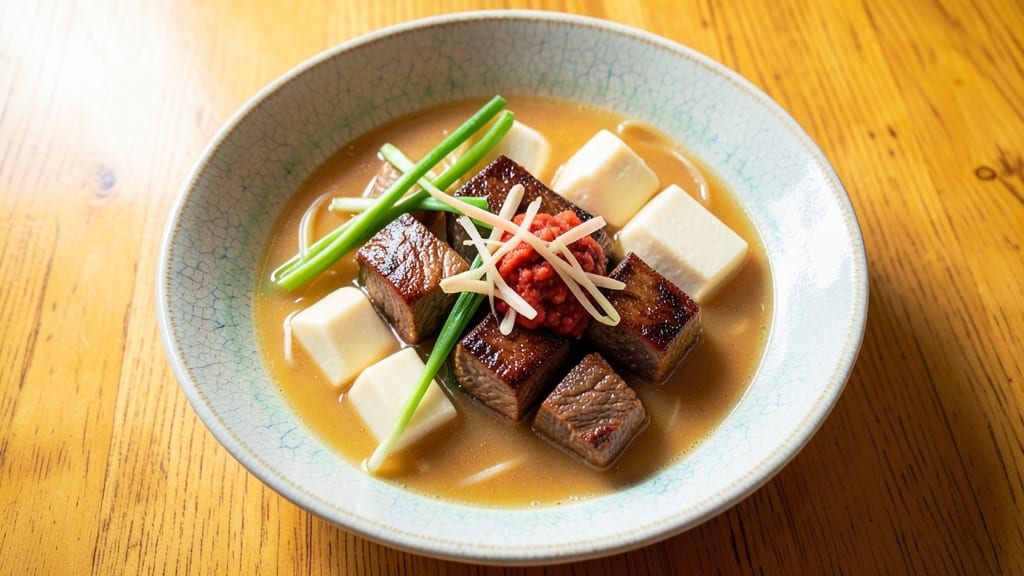
This beef miso soup recipe delivers a deep umami punch that transforms simple ingredients into a restaurant-worthy bowl. The secret lies in slow-simmered beef broth infused with red miso paste, creating a silky, savory foundation that balances tender beef and delicate tofu.
I developed this version after years of perfecting the balance between traditional techniques and modern convenience—no shortcuts, just layers of flavor that build with every sip.
The process begins with high-heat searing of beef chunks to develop a rich brown crust, followed by a gentle simmer that extracts maximum flavor without toughening the meat. Red miso dissolves gradually into the broth, adding both depth and subtle sweetness, while silky tofu soaks up the umami without overpowering.
What makes this recipe stand out is the textural contrast—tender beef, cloud-like tofu, and crisp scallions—all harmonizing in a single bowl.
By the final spoonful, you'll taste the perfect marriage of Japanese comfort and Western heartiness: a broth so rich it coats your palate, beef so tender it melts, and tofu so silky it disappears.
The aroma alone—warm miso, caramelized beef, and steaming broth—will have your kitchen smelling like a Tokyo ramen shop. This isn't just soup; it's a flavor experience that stays with you long after the last bite.
Serve with steamed rice for a complete meal, or let the soup stand alone as a satisfying centerpiece. The best part? Leftovers taste even better the next day as the flavors meld further. Let's create this umami masterpiece—your taste buds will thank you.
Ingredients for beef miso soup
Pantry staples meet umami magic—this soup delivers restaurant-quality depth with simple ingredients.
| Ingredient | Amount | Notes |
|---|---|---|
| Beef Chuck Roast 🥩 | 1 ½ lb | Cut into 1-inch chunks, trimmed |
| Red Miso Paste 🧈 | ½ cup | High-quality, non-GMO preferred |
| Silken Tofu 🍱 | 1 block | Firm, unsweetened, cubed |
| Fresh Ginger 🌿 | 2 tbsp | Finely grated, peeled |
| Green Onions 🧅 | ½ cup | White and green parts, sliced |
| Dashi Stock 💧 | 4 cups | Homemade or quality bottled |
| Low-Sodium Soy Sauce 🍶 | 2 tbsp | For depth of flavor |
| Sesame Oil 🫒 | 1 tbsp | Toasted, for finishing |
| Rice Vinegar 🍶 | 1 tbsp | For brightness |
| Garlic Cloves 🧄 | 4 cloves | Minced, for aroma |
| Vegetable Oil 🫒 | 2 tbsp | For searing beef |
| Diamond Crystal Kosher Salt 🧂 | 1 tsp | For seasoning |
| Black Pepper 🌶️ | ½ tsp | Freshly ground |
| Steamed White Rice 🍚 | 2 cups | For serving |
The beef is non-negotiable—chuck roast gives you that melt-in-your-mouth texture after slow simmering. Costco sells it pre-cut for convenience, but if you're buying whole, ask the butcher to trim excess fat. For the miso, Marukome or Hibiki brands are my go-to—they dissolve smoothly without graininess. Fresh ginger loses potency fast, so grab a small knob at Trader Joe's (their pre-grated works in a pinch). The tofu? Silken is ideal, but firm tofu pressed for 15 minutes works too—just cube it smaller so it absorbs all that umami goodness.
No dashi stock? Combine 4 cups water with 1 tbsp kombu and 1 tsp bonito flakes (simmer 10 mins, strain). Short on sesame oil? Toast sesame seeds in a dry pan, grind into powder—it's not the same, but adds a hint of nuttiness. The rice vinegar can be swapped for lemon juice in a bind, though it won't have that exact tang. For extra depth, add 1 tsp fish sauce (if you're okay with it) or 1 tbsp coconut aminos for a vegetarian option. The garlic? Fresh is non-negotiable here—jarred just won't cut it.
This soup tastes even better the next day as flavors meld. Store in the fridge for 4-5 days or freeze for 3 months. I like to portion it into containers with a scoop of rice—just reheat with a splash of water. For serving, keep those green onions crisp by running them under cold water right before adding. The sesame oil should go on last—just a drizzle to highlight all that umami work you just put in.
Why You'll Love This Recipe
- One-Pot Magic: I swear by this recipe when I’m too tired to dirty more than one pot. Toss in the chuck roast, miso, and ginger, then let it simmer—no chopping, no fuss. The tofu just melts in, and the broth thickens like a hug in a bowl.
- Umami Bomb: That red miso paste? It’s the star. Rich, salty, and just a little sweet—it turns tough beef into melt-in-your-mouth strips. Add the ginger and green onions at the end, and suddenly, you’ve got a bowl that tastes like a high-end ramen shop.
- Meal Prep MVP: Make a big batch on Sunday, and you’ve got lunch or dinner covered for days. The flavors actually get better the next day, and reheating takes two minutes. My freezer’s always stocked with portions—perfect for when I’m too wiped to cook.
- Budget-Friendly Powerhouse: Chuck roast stretches for miles in this soup, and miso paste lasts forever. Silken tofu’s cheap, and ginger? A single root covers multiple recipes. I’ve fed four people for under $10, and they all beg for seconds. (Yes, even my picky roommate.)
Step-by-step instructions for beef miso soup with silky tofu
Transform simple ingredients into a deeply flavorful broth where tender beef and silky tofu melt together.
Sear the Beef for Maximum Flavor
Cut the 1.5 lb Beef Chuck Roast into 1-inch chunks and pat dry with paper towels. Heat 2 tablespoons vegetable oil in a large Dutch oven over medium-high heat until shimmering. Working in batches, add the beef and sear for 3-4 minutes per side until deeply browned and caramelized—this builds rich, umami-packed flavor that infuses the broth.
Once all beef is browned, remove it from the pot and set aside. The browned bits clinging to the bottom are pure flavor—don't scrape them away. This is where the magic happens. The beef will finish cooking later in the broth, but this initial sear creates the foundation for that deep, savory taste we're after.
Build the Umami Base with Aromatics
In the same Dutch oven, reduce heat to medium and add the 2 tablespoons finely grated fresh ginger and 4 cloves minced garlic. Sauté for 1-2 minutes until fragrant and the garlic turns golden—this releases their essential oils that will permeate the entire soup. Be careful not to let the garlic burn, as it can turn bitter.
Add 2 tablespoons low-sodium soy sauce and stir to combine. The soy sauce adds depth while keeping the sodium in check. Let it cook for another 30 seconds until the aroma fills your kitchen. This is the moment when all the flavors start to meld together—take a second to appreciate how good it smells already.
Simmer the Broth with Miso and Tofu
Pour in the 4 cups dashi stock and bring to a gentle boil. Once boiling, reduce heat to low and return the seared beef to the pot. Add the 0.5 cup red miso paste and stir until completely dissolved—this is where the soup transforms from good to extraordinary. The miso will give that signature rich, fermented depth that defines Japanese miso soup.
Add the 1 block silken tofu (cubed) and 1 teaspoon Diamond Crystal kosher salt. Simmer gently for 45-60 minutes, partially covered, until the beef is fork-tender. You'll know it's ready when the meat easily pulls apart with minimal resistance. The broth should be deeply flavorful, with the miso fully integrated and the tofu silky rather than rubbery.
Finish with Brightness and Garnish
Remove the soup from heat and stir in 1 tablespoon rice vinegar and 1 tablespoon toasted sesame oil. The vinegar adds a bright, almost citrusy note that cuts through the richness, while the sesame oil adds a nutty aroma and silky texture. Taste and adjust seasoning with additional salt or pepper if needed—this is your chance to perfect the balance of flavors.
Just before serving, stir in the 0.5 cup sliced green onions (white and green parts). The green onions add a fresh, crisp contrast to the rich broth. Ladle the hot soup over 2 cups steamed white rice and serve immediately. The rice soaks up the flavorful broth, making each bite even more satisfying. This is where all the hard work pays off—every spoonful should be a perfect harmony of umami, brightness, and texture.
Pro Tips For Making Beef Miso Soup
- SEAR THE BEEF FIRST: Toss that chuck roast in a hot pan with oil before simmering—deep browning unlocks layers of flavor the broth will soak up. I used to skip this, and the soup always tasted like it needed something more. Two minutes per side, until it’s golden, then deglaze with a splash of water or sake right away.
- GRATE THE GINGER FINE: No, "chopping" isn’t enough—use the small holes of a box grater for a paste-like texture that dissolves into the broth without bits. I learned this the hard way after fishing out chewy ginger chunks mid-soup. Trust me, your miso paste will thank you.
- ADD MISO LAST, LOW HEAT: Stir the red miso paste in after the beef and tofu have simmered, and keep the heat at a gentle simmer—boiling will turn it bitter. I once dumped it in early and ended up with a muddy, off-flavor disaster. Think of it like melting chocolate: patience wins.
- CUT TOFU JUST BEFORE SERVING: Skip the pre-cut cubes—slice the silken tofu into ½-inch pieces right before serving so it stays silky and doesn’t turn to mush in the broth. (Yes, even if it’s tempting to prep everything ahead.) The contrast of warm soup and cool, firm tofu is what makes this dish sing.
Perfect pairings for this beef miso soup
Rice Pairing Perfection
Serve your beef miso soup over steamed Japanese short-grain rice—the ideal vessel for soaking up every drop of umami-rich broth. I recommend sushi rice or calrose varieties for their sticky texture.
For extra authenticity, sprinkle a pinch of toasted sesame seeds on the rice before ladling the soup over it. 🍚
Crispy Noodle Contrast
Add ramen noodles (like Shin Ramyun or Nissin) for a heartier bowl. Cook them separately and add directly to individual portions just before serving. The noodles provide a satisfying chew that balances the silky tofu. For extra flair, top with crispy fried shallots or toasted nori strips.
Fresh Vegetable Garnishes
Brighten the bowl with thinly sliced cucumber or shredded bok choy—these add a refreshing crunch. I also love steamed spinach wilted into the soup right before serving.
For a pop of color, try microgreens or baby bok choy leaves on top. The contrast in temperatures and textures makes each bite exciting. 🥬
Warm Bread Accompaniment
A side of garlic miso bread or steamed mantou (Japanese buns) lets you scoop up extra broth. For a quick version, toast baguette slices with a smear of garlic butter and a sprinkle of flaky sea salt. The crusty texture pairs beautifully with the silky soup. 🥖
Umami Boosters
For an extra umami kick, serve with pickled ginger (beni shoga) or quick-pickled radishes. The tangy acidity cuts through the richness. Another favorite: soft-boiled eggs with runny yolks—let guests crack them into their bowls for a creamy, savory finish. 🍳
Beverage Pairings
Sip on a green tea (like sencha or matcha latte) to complement the soup's earthy notes. For something bolder, try a light Japanese sake (like hakkaisan junmai) or a dry Riesling—both enhance the umami without overpowering.
Avoid heavy reds or sweet drinks that might clash with the broth's depth. 🍶
Nutrition facts
Frequently asked questions about beef miso soup
Can I substitute regular tofu for silken tofu in this recipe?
You can use firm tofu instead, but it needs extra prep! Press and drain well for 15 minutes, then cube into ½-inch pieces so they absorb flavor without turning rubbery. For best texture, simmer the tofu separately in the broth for just 10 minutes before adding to your bowl. Silken tofu dissolves beautifully into the broth, creating a cloud-like quality that firm tofu can't match.
What's the difference between red and white miso paste?
Red miso is fermented longer (6-12 months), giving it a deeper, richer flavor with a slightly sweet and nutty profile—perfect for beef soup. White miso is milder and sweeter (fermented 3-6 months), better for delicate dishes. For this recipe, red miso provides the umami depth that complements beef, while white miso would make the broth taste too sweet. Think of red miso as the "adult" version with more complexity.
How do I make this soup vegetarian?
Replace the beef with shiitake mushrooms (sliced and seared) or extra-firm tofu (pressed and cubed). Use vegetable dashi (combine 4 cups water + 1 tbsp kombu + 1 tsp shiitake powder) and add 1 tbsp soy sauce for umami. The miso and tofu will still provide rich flavor, but the texture will be more plant-forward. For extra protein, add tempeh or edamame.
Why did my miso paste not dissolve properly?
Miso needs gentle heat and constant stirring to dissolve smoothly. If it clumps, whisk it with a splash of hot broth first, then stir continuously while bringing to a simmer. Never boil miso—it burns easily! For extra insurance, mix the miso with 2 tbsp broth before adding to the pot. If you're using a low-quality miso with large grains, strain the broth afterward through a fine-mesh sieve for a silky texture.
Can I make this soup in an Instant Pot?
Sear the beef in a skillet first, then transfer to your Instant Pot with all ingredients (except tofu and green onions). Cook on high pressure for 25 minutes, then quick-release. Add tofu and simmer for 5 minutes before finishing with aromatics. The Instant Pot speeds up cooking but may need 1 extra tablespoon of broth to prevent burning. For best results, use the "sauté" function to dissolve the miso before pressure cooking.