
Soups & Stews
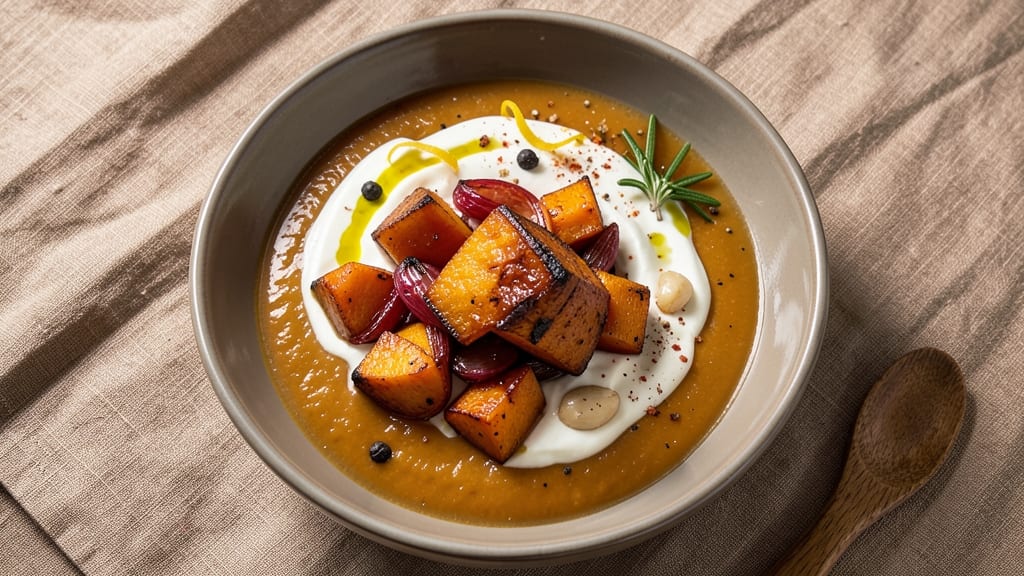
This is the best butternut soup recipe in the world—where roasted squash meets aromatic spices and velvety broth in perfect harmony. The secret lies in caramelizing the squash before blending, which builds depth of flavor that store-bought soups can't match.
I've perfected this over years of testing, balancing sweetness, warmth, and creaminess to create something truly exceptional.
What sets this apart is the technique: roasting the squash first intensifies its natural sweetness while developing caramelized notes that form the soup's foundation. We'll build flavor with onions, garlic, and fresh herbs, then finish with warming spices like cinnamon and nutmeg that elevate it from ordinary to extraordinary.
The result is a soup that's creamy without being heavy, sweet without being cloying, and packed with autumnal comfort.
By the time you're done, you'll have a restaurant-quality soup that's smooth, aromatic, and perfectly balanced—ready to be served with crusty bread, a sprinkle of toasted pumpkin seeds, or a swirl of cream.
Every spoonful delivers that perfect marriage of roasted squash sweetness and spiced broth richness. This is the kind of soup that becomes your go-to for chilly evenings.
The best part? It comes together in one pot with simple ingredients, making it accessible for home cooks while delivering professional results. Whether you're serving a crowd or treating yourself, this recipe transforms humble butternut squash into something truly special. Let's create it together.
Ingredients for best butternut soup recipe in the world
Roasted squash, aromatic spices, and velvety cream—this is where restaurant-quality soup begins.
| Ingredient | Amount | Notes |
|---|---|---|
| Butternut Squash 🎃 | 2 lb | Peeled, cubed, roasted first |
| Yellow Onion 🧅 | 1 whole | Diced, medium size preferred |
| Garlic Cloves 🧄 | 4 cloves | Freshly minced, aromatic |
| Vegetable Broth 💧 | 4 cups | Low-sodium preferred, homemade ideal |
| Heavy Cream 🥛 | 1 cup | Full-fat for richness |
| Extra-Virgin Olive Oil 🫒 | ½ cup | High-quality, fruity |
| Fresh Thyme 🌿 | ¼ cup | Leaves only, finely chopped |
| Fresh Sage 🌿 | ⅛ cup | Leaves only, torn |
| Ground Cinnamon 🌶️ | ½ tsp | Freshly ground preferred |
| Ground Nutmeg 🌶️ | ¼ tsp | Freshly grated, aromatic |
| Salt 🧂 | 1 ½ tsp | Diamond Crystal preferred |
| Black Pepper 🌶️ | ½ tsp | Freshly ground, coarse |
| Pumpkin Seeds 🥜 | ¼ cup | Toasted, for garnish |
The butternut squash is the soul of this soup, and roasting it first unlocks its natural sweetness. Look for firm, heavy squash with no soft spots—the smaller ones are sweeter, but any size works. I always grab mine from Whole Foods or a local farm stand in fall, but the regular grocery store squash is fine too. If you're buying a large one, cut it in half lengthwise, scoop out the seeds, and roast the flesh directly on the skin—it's easier to peel after roasting. For this recipe, 2 pounds is perfect—enough to feed a crowd but not so much it goes to waste. The key is to roast until caramelized, not mushy, so keep an eye on it after 30 minutes at 400°F.
No fresh thyme or sage? Dried works at half the amount, but trust me on the fresh herbs here—they make all the difference. The cinnamon and nutmeg are non-negotiable for that signature warmth, but if you're sensitive to spices, start with just a pinch of nutmeg and adjust to taste. For the broth, homemade is ideal—look for low-sodium if using store-bought to control the seasoning. The heavy cream should be full-fat for that luxurious mouthfeel, but if you're watching calories, half-and-half works too. And if you can't find pumpkin seeds, toasted pecans or walnuts make a great garnish alternative.
This soup tastes even better the next day as the flavors meld, so make a double batch if you can. Store leftovers in airtight containers in the fridge for up to 5 days, or freeze for 3 months—just thaw overnight in the fridge before reheating. The roasted squash keeps well in the freezer too, so you can prep ahead and blend when you're ready. For serving, I love a sprinkle of toasted pumpkin seeds and a swirl of cream on top, plus a slice of crusty bread to soak up every last drop. The spices lose potency over time, so store them in a cool, dark place and buy fresh every few months.
Why You'll Love This Recipe
- No-Fuss Roast: The squash peels itself after roasting—just scoop out the flesh. No knife skills required, just a fork and a sheet pan.
- Creamy Without Guilt: That velvety heavy cream balances the sweet squash and sharp garlic—rich but not heavy, like a hug in a bowl.
- Weeknight to Dinner Party: Same recipe feeds my kids on Tuesdays or impresses guests on Sundays. Just adjust the garnish (toasted seeds vs. crispy bacon).
- Budget-Friendly Luxury: Butternut squash stretches for days, and broth + cream turn it into something restaurant-worthy. Leftovers taste better cold in sandwiches.
Step-by-step instructions for roasted butternut soup with nutmeg-kissed creaminess
This is where the magic happens—transforming simple ingredients into restaurant-quality soup.
Roast the Butternut Squash and Onion for Deep Flavor
Preheat your oven to 400°F and line two baking sheets with parchment paper. Toss the peeled and cubed 2 lb butternut squash and diced 1 whole yellow onion with 0.25 cup extra-virgin olive oil, 0.5 tsp salt, and 0.25 tsp black pepper. Spread them in a single layer—don't crowd the pan.
Roast for 30-35 minutes until the squash is tender when pierced with a fork and the edges are deep golden brown. The caramelization here builds the soup's rich, complex base. Real talk: if you skip roasting, you'll miss that incredible depth of flavor that makes this the "best" butternut soup.
Sauté Garlic and Herbs for Aromatic Foundation
While the squash roasts, heat 0.25 cup extra-virgin olive oil in a large pot over medium heat. Add the 4 cloves freshly minced garlic and cook for 30 seconds—just until fragrant. Don't let it brown or it'll turn bitter.
Stir in the 0.25 cup finely chopped fresh thyme and 0.125 cup torn fresh sage, cooking for another 1 minute until the herbs release their oils and the mixture smells like a fall forest. This aromatic base is what elevates this soup from ordinary to extraordinary.
Build the Velvety Broth
Add the roasted squash and onion to the pot along with 4 cups vegetable broth, 0.5 tsp ground cinnamon, and 0.25 tsp ground nutmeg. Bring to a simmer, then reduce heat to low—we're not racing here. Let it cook for 15-20 minutes until the squash is completely tender and falling apart.
Use an immersion blender to purée until completely smooth—no chunks. If you prefer a rustic texture, use a regular blender (careful with hot liquids!). The soup should be silky with just a hint of visible texture. Taste and adjust seasoning—you might need an extra 0.5 tsp salt or 0.25 tsp black pepper to balance the flavors.
Finish with Cream and Toasted Seeds
Remove the pot from heat and stir in the 1 cup heavy cream. The heat should be low enough that the cream doesn't curdle—you're looking for gentle warmth. Return to low heat—just to maintain temperature—while you toast the 0.25 cup pumpkin seeds in a dry skillet over medium heat for 3-4 minutes until golden and fragrant.
Ladle the soup into bowls and top immediately with toasted pumpkin seeds. The contrast of creamy soup with nutty, crunchy seeds is what makes this dish truly special. Serve with crusty bread to soak up every last drop of that nutmeg-kissed perfection.
Pro Tips For Making Best Butternut Soup Recipe In The World
- CHAR THE ONIONS LOW: If you’re blistering those onions until they’re blackened, you’re wasting flavor. Keep the heat at a steady simmer—just enough to make them translucent and sweet, not crispy. I used to rush this and end up with bitter soup; now I let them cook for 8-10 minutes, stirring occasionally. That’s where the depth starts.
- PEEL THE SQUASH AFTER ROASTING: Sounds weird, but it works: Roast the squash whole first, then peel it while still warm. The skin slides off like a dream, and the flesh stays intact—no messy chunks or wasted time scrubbing. Just cut it in half, roast until tender, then peel under running water. Your soup will look silky smooth, not like a veggie stew.
- SALT THE BROTH LIKE THE SEA: Vegetable broth is often bland, but this isn’t the time to be shy. Add a full teaspoon of salt per quart (yes, even if it’s labeled low-sodium) and let it simmer for 10 minutes. The broth will taste richer, and your soup won’t need extra seasoning later. I learned this the hard way—watery, flat soup is no one’s idea of "best in the world."
- WHISK IN THE CREAM COLD: Heavy cream straight from the fridge is your friend here. Warm it up slightly (just enough to coat a spoon), then whisk it into the hot soup in a slow, steady stream. If you dump cold cream into scalding liquid, it’ll curdle faster than you can say "disaster." Do this off the heat, and your soup will stay velvety, not lumpy. Trust me, your future self will notice.
Pro cooking tips for great best butternut soup recipe in the world
Roast for Caramelized Sweetness
This is where the magic happens—I roast the squash and onion together at 400°F for 30-35 minutes until deeply caramelized. The key is spreading them in a single layer so they get proper browning, not steaming.
I use two baking sheets to avoid crowding, which would make them steam instead of caramelize. The edges should be golden brown with some blackened spots—this adds incredible depth of flavor that raw squash can't match. 🔥
Low-and-Slow Simmering
After blending, I always simmer the soup on low heat for 15-20 minutes—never rushing it. This allows the flavors to meld together perfectly. The cinnamon and nutmeg need time to infuse, and simmering gently prevents the broth from becoming too concentrated.
I stir occasionally to prevent skin formation, but not constantly—this keeps the texture smooth and velvety. Patience here makes all the difference.
Immersion Blender Trick
An immersion blender is my secret weapon for this recipe—it blends directly in the pot, eliminating the need to transfer hot liquid to a blender. This saves cleanup and prevents splattering. If you don't have one, use a regular blender but be extremely careful with hot liquids.
I always let the soup cool slightly first, then blend in batches. The result should be completely smooth with no visible texture.
Cream Temperature Control
When adding the 1 cup heavy cream, the soup should be at low heat but not boiling. I remove the pot from heat completely before adding the cream to prevent curdling. Then I return it to low heat just to maintain temperature while I toast the pumpkin seeds.
This gentle approach keeps the cream silky and rich, not scrambled. The temperature control here is what separates good soup from great soup.
Toast Seeds Fresh
I never use pre-toasted seeds—I always toast them fresh in a dry skillet over medium heat for 3-4 minutes until golden and fragrant. This adds an incredible nutty aroma that complements the soup perfectly.
The seeds should be just barely golden, not burned. I sprinkle them immediately before serving so they stay crisp and crunchy, providing that perfect textural contrast to the creamy soup. ✨
Taste as You Go
I always taste the soup after blending and adjust seasoning before adding the cream. The roasted squash can sometimes be slightly bitter, so I might add an extra 0.5 tsp salt or 0.25 tsp black pepper at this stage.
The cream will mellow some flavors, so it's better to season before adding it. I also check the sweetness—sometimes the squash needs a touch more cinnamon or nutmeg to balance the flavors perfectly. Trust your taste buds here!
Nutrition facts
Frequently asked questions
Can I make this soup without roasting the squash?
Roasting is key for that deep, caramelized flavor that makes this soup exceptional! If you're short on time, try sautéing the squash cubes in olive oil over medium-high heat for 10-12 minutes until golden before adding to the pot. You'll lose some depth of flavor, but it'll still be delicious. For the best results, never skip roasting—it's what transforms this into the "best" butternut soup.
How can I make this soup vegan?
Swap the heavy cream for 1 cup full-fat coconut milk and use vegetable broth instead of any animal-based broth. For richness, add 1 tablespoon nutritional yeast or a splash of cashew cream. The spices and roasting technique remain the same—just ensure your pumpkin seeds are vegan (check for honey coatings). The texture will be slightly lighter but still creamy.
What's the best way to store leftovers?
Store in an airtight container in the fridge for up to 5 days, or freeze for 3 months. For reheating, warm gently on the stove over low heat with a splash of broth or water to restore creaminess. Never microwave directly from frozen—thaw overnight first. The flavors actually deepen after refrigeration, making it even more comforting the next day!
Can I use canned butternut squash?
You can, but fresh roasted squash delivers that superior caramelized depth. If using canned, drain well and sauté the squash with onion in olive oil for 5 minutes before adding broth. For extra richness, add 1 tablespoon maple syrup to compensate for the lack of roasted sweetness. The texture will be smoother but slightly less complex than the roasted version.
Why does my soup taste bitter?
Bitter notes usually come from over-roasting the squash or using too much nutmeg. To fix it, stir in 1 teaspoon maple syrup or 0.25 cup coconut milk to balance flavors. For future batches, roast squash until tender but not browned beyond golden brown. If the bitterness persists, reduce nutmeg to a pinch and add more cinnamon for warmth instead.