
Soups & Stews
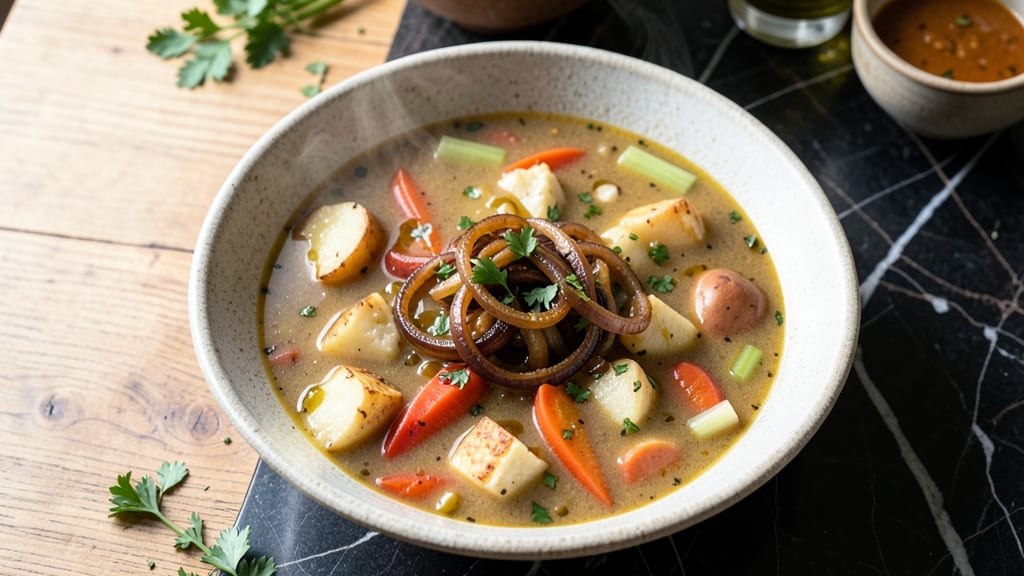
Bill Miller's vegetable soup recipe transforms simple ingredients into a hearty, herb-infused simmer that feels like a warm hug in a bowl. The secret lies in slow-cooked vegetables that develop deep, caramelized flavors while maintaining their natural sweetness.
This isn't just soup—it's a rustic, comforting dish that builds character through patience and fresh herbs.
What sets this recipe apart is the balance of textures and flavors: tender root vegetables, crisp carrots, and earthy mushrooms all simmered in a rich broth until perfectly tender. The aromatic blend of thyme, bay leaves, and parsley infuses every spoonful, while a touch of garlic adds depth without overpowering.
Unlike many quick soups, this one rewards your time with layers of complexity.
In just 30 minutes, you'll have a steaming pot of soup that's ready to serve—ideal for chilly evenings or as a light lunch. The beauty of this recipe is its versatility: it works as a standalone meal or pairs beautifully with crusty bread for soaking up every last drop.
The broth is rich enough to stand alone but light enough to let the vegetables shine.
Whether you're feeding a family or meal prepping for the week, this soup delivers consistent, restaurant-quality results. The method is straightforward, but the flavors are anything but basic. Let's get started on creating a bowl that tastes like home.
Ingredients for bill miller vegetable soup
Simple vegetables and aromatic herbs create this comforting, rustic vegetable soup in just 30 minutes.
| Ingredient | Amount | Notes |
|---|---|---|
| Vegetable Broth 💧 | 6 cups | Low-sodium preferred for balance |
| Carrots 🥕 | 3 medium | Baby or regular, peeled/sliced |
| Russet Potatoes 🥔 | 2 medium | Peeled, cubed evenly |
| Celery Stalks 🧅 | 3 whole | Trimmed, chopped into pieces |
| Onion 🧅 | 1 large | Yellow or white, diced |
| Garlic Cloves 🧄 | 4 cloves | Minced for aromatic base |
| Mushrooms 🍄 | 8 oz | Cremini or white, sliced |
| Fresh Thyme 🌿 | 1 tbsp | Leaves only, chopped fine |
| Fresh Parsley 🌿 | ¼ cup | Chopped, for garnish |
| Bay Leaves 🌿 | 2 whole | Removed before serving |
| Olive Oil 🫒 | 2 tbsp | Extra-virgin for richness |
| Salt 🧂 | 1 ½ tsp | Kosher or sea salt |
| Black Pepper 🌶️ | ½ tsp | Freshly ground preferred |
| Tomato Paste 🍅 | 2 tbsp | Squeeze tube or canned |
The vegetables are the heart of this soup, so choose fresh, firm produce. Local farmers markets often have the best carrots and potatoes—look for vibrant color and no soft spots. Mushrooms should be dry with no sliminess. For the broth, low-sodium options like Pacific Foods or Imagine give you control over seasoning. If you can't find fresh thyme, dried works at one-third the amount. The key is even sizing for vegetables—cut potatoes and carrots into similar pieces so they cook uniformly. Prep all your veggies before starting to keep the process smooth.
No fresh herbs? Dried thyme and parsley are fine, but reduce to one-third the amount. Substituting mushrooms? Zucchini or bell peppers work well, but they'll change the texture slightly. For a deeper flavor, add 1 cup of diced tomatoes with the broth. The tomato paste can be skipped if you prefer a lighter broth, but it adds wonderful depth. If you're short on time, pre-chopped frozen vegetables save prep work without sacrificing much flavor. Just make sure to drain them well before adding to the pot.
This soup tastes even better the next day—let it sit overnight in the fridge and reheat gently. Store for 4-5 days in an airtight container. For freezing, portion into containers and it keeps for 3 months. The broth freezes beautifully, so you can even freeze it separately if you prefer. To reheat, warm on the stove over medium-low heat, stirring occasionally. If it seems too thick after reheating, add a splash of water or broth to adjust the consistency.
Why You'll Love This Recipe
- No-Chop Nightmare: I swear by this recipe when I’m too tired to dice anything—just roughly chop the carrots and celery, toss them in the pot with the onions, and let the broth do the work. The potatoes soften perfectly without fuss, and honestly? You’ll never miss finely minced veggies.
- Carrot-Celery Crunch: That first spoonful of soup—where the carrots still hold a tiny bite and the celery adds a bright, grassy snap—is chef’s kiss. The vegetable broth deepens into something rich, but the raw veggie texture keeps it lively. It’s the kind of balance that makes you go back for seconds without thinking.
- Lunchbox Legend: Between us, this soup is my go-to for meal prep because it reheats like a dream. Pack it in thermoses for work or school—no soggy bread here. The potatoes stay tender, the carrots don’t turn to mush, and it’s always a hit, even with picky eaters.
- Pantry Goldmine: I make this when I’m low on cash or ingredients because it uses what’s already there. A few carrots, a potato, some celery—I’ll even toss in leftover herbs or a splash of vinegar if I’m feeling fancy. It’s the ultimate “make it work” recipe, and it still tastes like you slaved over it.
Step-by-step instructions for rustic vegetable soup
Here's how to build a hearty vegetable soup with deep herb notes and perfect texture.
Sauté the Aromatic Base
Heat the 2 tablespoons olive oil in a large pot over medium heat. Add the diced 1 large onion and chopped 3 whole celery stalks, cooking for 5 minutes until softened and just beginning to color. Here's the thing—don't rush this step. You want the vegetables to develop some flavor before adding the harder ingredients.
Add the 8 ounces mushrooms and cook for another 4-5 minutes until they release their moisture and begin to brown. Stir occasionally to ensure even cooking. The mushrooms should look tender but still hold their shape. This is where you build the soup's rich umami foundation.
Add Root Vegetables and Tomato Paste
Push the mushrooms to one side of the pot and add the 2 tablespoons tomato paste to the empty space. Cook for 1 minute to develop its flavor before stirring it into the mushrooms. This creates a deeper base flavor that carries through the entire soup.
Add the peeled and cubed 2 medium russet potatoes and the peeled and sliced 3 medium carrots. Stir everything together and cook for 3 minutes to lightly coat the vegetables with the tomato paste mixture. This ensures even flavor distribution throughout the soup.
Build the Herb-Infused Broth
Pour in the 6 cups vegetable broth, scraping up any browned bits from the bottom of the pot. Add the 4 cloves minced garlic, 1 tablespoon fresh thyme, 2 whole bay leaves, 1.5 teaspoons salt, and 0.5 teaspoon black pepper. Bring the mixture to a gentle boil over high heat, then immediately reduce to a simmer.
Here's the moment that matters: maintain a steady simmer—not a rolling boil—so the vegetables cook evenly and don't fall apart. The soup should bubble gently with occasional small bursts. This simmering process allows the flavors to meld together beautifully.
Simmer Until Vegetables Are Tender
Cover the pot and let the soup simmer for 15-20 minutes until the potatoes are fork-tender and the carrots are easily pierced with a knife. You'll know it's ready when the largest potato pieces break apart with gentle pressure. The soup should have a rich, aromatic smell that fills your kitchen.
If the soup looks too thick during cooking, add ½ cup water to reach your desired consistency. The vegetables should be tender but still hold their shape, not mushy. This is where the soup's rustic charm comes through—perfectly cooked vegetables in a flavorful broth.
Finish and Serve with Fresh Herbs
Remove the 2 bay leaves from the soup and discard them. Stir in the ¼ cup chopped fresh parsley and taste for seasoning. Adjust with additional salt or pepper if needed. The parsley adds a bright finish that cuts through the richness of the soup.
Ladle the soup into bowls and serve immediately. Each spoonful should deliver tender vegetables in a flavorful broth with deep herb notes. For extra rustic appeal, garnish with additional fresh parsley and serve with crusty bread to soak up every last drop.
Pro Tips For Making Bill Miller Vegetable Soup
- SOFTEN POTATOES FIRST: Cut the Russet potatoes into ½-inch chunks—not too small, or they’ll turn to mush—and add them to the broth 10 minutes before the carrots. I learned this the hard way: big chunks stay clumpy, and tiny ones disappear into a gluey mess. The potatoes need time to absorb flavor without falling apart.
- CHAR THE ONION LOW: Walk away from the pan after the onion hits the skillet—don’t rush it. Let it cook on medium-low heat for 8-10 minutes until deep golden, not browned. I used to burn them, and the soup always tasted bitter. Patience here means richer flavor without bitterness.
- PEEL CELERY STALKS: Skip the leaves, but peel the celery stalks before chopping. The fibrous outer layer stays tough and chewy even after simmering. I was lazy about this for years—now I just run a vegetable peeler down the length, and the soup’s texture is cleaner.
- SALT THE BROTH LATE: Hold off on seasoning the broth until everything’s cooked, then taste and adjust. The potatoes and carrots release starch, which can mute saltiness if you add it too early. I used to over-salt the broth upfront, and the soup always needed more at the end. Wait until the end—your taste buds will thank you.
Troubleshooting this recipe
Broth Too Thin?
If your soup turns out too watery, it’s likely because the vegetables released too much moisture during cooking. The fix? Simmer the soup uncovered for an extra 5-10 minutes—this allows excess liquid to evaporate.
For a quicker fix, mash ½ of the cooked potatoes with a fork to thicken the broth naturally. I’ve found that reducing heat to low while stirring occasionally helps concentrate flavors without burning. 💡
Vegetables Overcooked
Mushy carrots or potatoes happen when you don’t monitor the simmer closely. The key is consistent low heat—never let it boil vigorously. If your veggies turn out too soft, next time cut them slightly larger and reduce simmering time by 3-5 minutes.
For extra insurance, check doneness with a fork 5 minutes before the recipe’s suggested time. 🥔
Blending Issues
If you’re blending part of the soup for creaminess, strain the broth first to avoid clogging your blender. I recommend using an immersion blender for small batches—it’s foolproof and keeps everything in the pot.
For thicker textures, blend only 1 cup of soup at a time and stir it back in. Never blend hot liquids—cool slightly first to prevent splattering. 🍲
Flavor Too Mild
Weak flavors often mean the herbs weren’t infused long enough. Next time, add fresh thyme and bay leaves 10 minutes earlier in the simmering process. For an instant boost, stir in 1 teaspoon of soy sauce or ½ teaspoon of smoked paprika at the end.
A splash of lemon juice brightens the broth beautifully. Trust me, a little acidity makes all the difference! 🌿
Burnt Onions or Mushrooms
Burnt aromatics ruin the whole dish. The fix? Lower your heat to medium-low when sautéing onions and mushrooms. Stir frequently to prevent sticking—aim for a golden brown, not blackened.
If it happens, simply scrape off the burnt bits and start fresh with fresh ingredients. A nonstick pot helps, but a well-seasoned stainless steel pot works too. 🔥
Broth Too Salty
Over-salting is common when using store-bought broth. The solution? Add ½ cup of water or vegetable broth and simmer for 5 minutes to dilute the salt. For a natural fix, stir in 1-2 tablespoons of unsalted butter or 1 tablespoon of cream—it rounds out the flavor beautifully.
If you’re desperate, add 1-2 ice cubes to lower the salt concentration slightly. 🧂
Nutrition facts
Frequently asked questions
Can I make this soup vegetarian?
This recipe is already vegetarian, but you can enhance it further by adding plant-based proteins like white beans or lentils. For extra richness, stir in 2 tablespoons nutritional yeast at the end—it adds a cheesy, umami depth without dairy. The original recipe relies on vegetable broth and herbs for heartiness, so no animal products are needed.
How do I adjust the recipe for fewer servings?
For 4 servings, halve all ingredients except the broth—reduce it to 4 cups instead of 6 cups. The vegetables should still cook evenly in a medium-sized pot. If using a smaller pot, simmer uncovered to prevent overflow. For 2 servings, use 2 cups broth and ½ the vegetables, adjusting cooking time to 12-15 minutes.
Can I use canned tomatoes instead of tomato paste?
Yes! Replace the 2 tablespoons tomato paste with ½ cup canned diced tomatoes (drained). Add them with the broth and simmer for the full 15-20 minutes to let the flavors meld. Canned tomatoes add natural sweetness and acidity, balancing the earthy mushrooms and herbs beautifully. Just skip the extra 1 minute of paste cooking.
What’s the best way to reheat leftovers?
Reheat gently on the stove over low-medium heat, stirring occasionally to prevent scorching. For even heating, bring to a gentle simmer and cook for 3-5 minutes. Avoid microwaving—it can make the potatoes gummy. If the soup seems too thick after reheating, add ¼ cup water or broth to restore consistency. Leftovers taste even better the next day!
Can I make this soup ahead of time?
This soup improves overnight. Store in an airtight container in the fridge for up to 5 days. The flavors deepen as the vegetables absorb the broth. For freezing, portion into containers and freeze for up to 3 months. Thaw in the fridge overnight before reheating—never microwave frozen soup directly.