
Soups & Stews
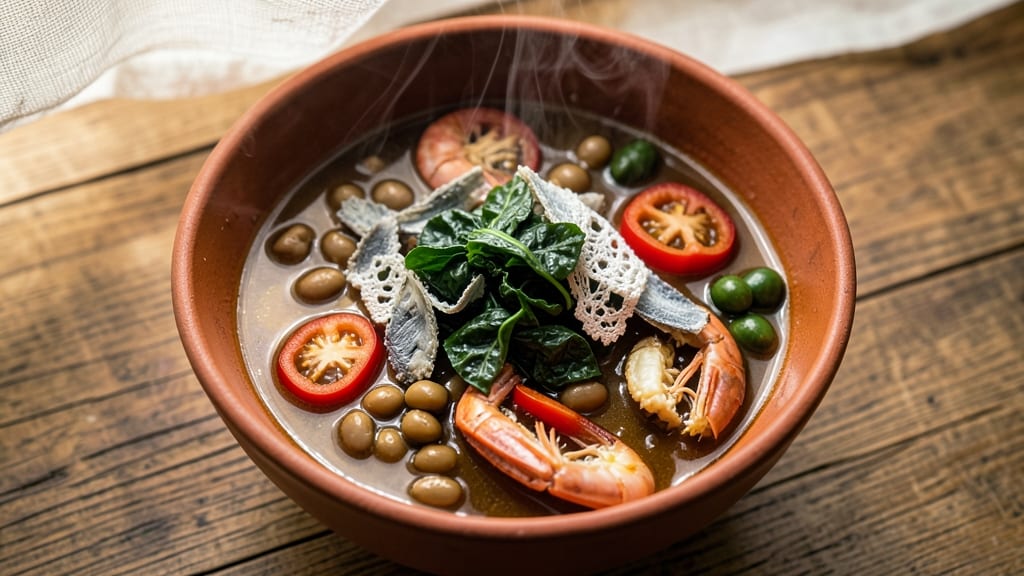
This bitter melon soup recipe delivers a bold, refreshing contrast that cleanses the palate while delivering deep, savory flavors. 💛 The secret lies in balancing bitter leaf's earthy notes with rich fish stock, palm oil, and aromatic spices like crayfish and locust beans—creating a dish that's both complex and satisfying.
Traditional West African soups like this are more than meals; they're cultural experiences passed down through generations.
The foundation begins with properly preparing the bitter leaf—washing, blanching, and chopping it just before cooking to preserve its vibrant green color and signature bitterness.
Meanwhile, the protein (whether smoked fish, beef, or goat meat) simmers in palm oil until tender, absorbing the soup's aromatic blend of peppers, onions, and spices. This method ensures every bite carries layers of flavor without overwhelming the palate.
What makes this soup truly special is its versatility—it pairs beautifully with staples like pounded yam, fufu, or eba, transforming a simple meal into a hearty feast. The soup's texture is velvety yet robust, with each spoonful offering a perfect balance of bitterness, richness, and umami.
Whether you're serving it at a family gathering or enjoying it as a comforting weeknight dinner, this recipe delivers restaurant-quality results at home.
Regional variations add unique twists—Igbo-style soups often include more crayfish for extra depth, while Yoruba versions might incorporate palm nut soup for a creamier texture. The key is adjusting the bitterness to your taste while keeping the soul of the dish intact.
Let's bring this classic recipe to life in your kitchen.
Ingredients for bitter soup
Fresh bitter leaf and aromatic spices create this West African classic's signature flavor balance.
| Ingredient | Amount | Notes |
|---|---|---|
| Bitter Leaf 🌿 | 4 cups | Fresh, washed, blanched, chopped |
| Smoked Fish 🐟 | 1 lb | Flaked, skin removed |
| Palm Oil 🫒 | ½ cup | Red palm oil preferred |
| Crayfish 🦐 | ¼ lb | Fresh or frozen, cleaned |
| Locust Beans 🌱 | ½ cup | Soaked overnight, peeled |
| Red Bell Peppers 🌶️ | 2 whole | Deseeded, chopped |
| Onions 🧅 | 2 whole | Yellow, chopped |
| Fresh Tomatoes 🍅 | 3 whole | Ripe, blended |
| Garlic Cloves 🧄 | 4 cloves | Minced |
| Scotch Bonnet Peppers 🌶️ | 2 whole | Seeds removed, chopped |
| Fish Stock 💧 | 2 cups | Homemade or quality store-bought |
| Salt 🧂 | 1 ½ tsp | Adjust to taste |
| Black Pepper 🌶️ | ½ tsp | Freshly ground |
| Thyme Leaves 🌿 | ¼ cup | Fresh, chopped |
| Uli Oil (Palm Kernel Oil) 🫒 | 2 tbsp | For garnish |
The bitter leaf is the heart of this soup—farmers markets or African grocery stores carry the freshest varieties. Look for vibrant green leaves with no yellowing. Blanch them first to soften and preserve their bitterness. The smoked fish should have a rich, smoky aroma; West African markets often sell it pre-flaked. For locust beans, soaking overnight is non-negotiable—they need to be tender. If you can't find crayfish, shrimp works in a pinch, but the flavor will differ slightly. Palm oil's quality matters—red palm oil gives the authentic color and earthy depth.
No palm oil? Vegetable oil plus a pinch of paprika mimics the color, though it won't replicate the flavor. Fresh thyme is ideal, but dried thyme at half the amount works if you're in a bind. The scotch bonnet peppers add heat—adjust to your tolerance. For a creamier texture, blend in a handful of palm nuts if available. The fish stock can be homemade (simmer fish bones with onions and thyme) or store-bought—just ensure it's fish-only, no chicken or beef. The tomatoes should be ripe but firm; blend with the stock for a smoother base.
Bitter leaf wilts fast—store it in a damp paper towel-lined bag for up to 3 days. The soup tastes even better the next day as flavors meld. Portion into containers with a drizzle of uli oil on top for a traditional finish. Freezes beautifully for 3 months—just reheat gently to preserve texture. For leftovers, add a splash of water when reheating to prevent thickening.
Why You'll Love This Recipe
- Minimal Chopping Required: I swear by this—just wash the bitter leaf, tear it roughly, and toss it in. No fancy dicing, no stress. The smoked fish breaks apart easily, and the locust beans soak up flavor without fuss. My hands stay clean, and my mood stays light.
- Umami Bomb Combo: That smoky fish, rich palm oil, and crayfish create a depth you won’t find in everyday soups. Honestly, the bitter leaf’s sharpness balances the creaminess like nothing else. It’s the kind of taste that lingers, making you reach for seconds without thinking.
- Weeknight & Weekend Ally: Throw it together for a quick lunch or serve it at gatherings—no one will guess how little effort it took. I’ll be real: my husband’s picky about "healthy" meals, but he devours this. The locust beans add texture, and the palm oil makes it feel special, even when it’s just us.
- Leftovers That Don’t Let You Down: This soup actually improves the next day. The flavors meld, and the bitter leaf softens just enough to be approachable. I freeze portions too—no sad, watery reheats here. Between us, it’s my go-to for lazy days when I’d rather not cook.
Step-by-step instructions for bitter leaf soup
Here's the method for crafting this bold, flavor-packed West African classic.
🍳 Step 1: Sauté the Aromatics and Build the Base
Heat the 0.5 cup palm oil in a large pot over medium heat until it shimmers. Add the 2 chopped whole onions and cook for 5 minutes until they soften and begin to caramelize at the edges. This creates the foundation for your soup's rich flavor.
Add the 2 chopped whole red bell peppers and 2 chopped whole scotch bonnet peppers (seeds removed), cooking for another 3 minutes until the peppers soften and release their aromatic oils. Stir in the 4 minced garlic cloves and cook for 30 seconds until fragrant—this prevents the garlic from burning and ensures it infuses the oil properly.
Here's the thing—don't rush this step. The aromatic vegetables need time to break down and develop their flavors. You'll know it's ready when the mixture smells deeply savory and slightly sweet from the caramelizing onions.
🍳 Step 2: Add the Protein and Vegetables
Increase heat to medium-high and add the 1 lb flaked smoked fish, stirring gently to coat the fish in the oil. Cook for 2 minutes until the fish begins to flake and turn opaque. This quick cooking preserves the fish's delicate texture while allowing it to absorb the aromatic flavors.
Add the 4 cups chopped bitter leaf and 0.5 cup peeled locust beans, stirring to combine. Pour in the 2 cups fish stock and bring the mixture to a gentle boil. Real talk: the bitter leaf will foam vigorously at first—this is normal. Reduce heat to medium-low and let it simmer uncovered for 15 minutes until the bitter leaf softens and the soup begins to thicken.
I press down on the bitter leaf with a wooden spoon during the first few minutes of simmering—this ensures even cooking and prevents the leaves from floating on top. The soup should reduce slightly, developing a rich, slightly thickened consistency.
🥘 Step 3: Incorporate the Crayfish and Season
Add the 0.25 lb cleaned crayfish to the simmering soup, stirring gently to distribute them evenly. Cook for another 5 minutes until the crayfish turn pink and opaque. This indicates they're fully cooked and have released their distinctive flavor into the soup.
Stir in the 3 blended fresh tomatoes, 1.5 tsp salt, and 0.5 tsp black pepper. Add the 0.25 cup chopped thyme leaves and simmer for 10 minutes until the tomatoes break down and the flavors meld together. Taste and adjust seasoning—you might need a bit more salt to balance the bitterness of the leaf and crayfish.
This is the moment that matters: the bitterness should be present but not overpowering. The tomatoes and thyme help round out the flavors, creating a harmonious balance. If the soup seems too thick, add a splash of water to reach your desired consistency.
🍽️ Step 4: Finish and Serve
Remove the pot from heat and let the soup rest for 5 minutes. This allows the flavors to settle and the soup to thicken slightly. Gently stir in the 2 tbsp uli oil (palm kernel oil) just before serving. The oil adds a rich, nutty finish that complements the bold flavors.
Serve the soup immediately in deep bowls, garnished with additional thyme leaves if desired. Each spoonful should deliver a complex interplay of smoky fish, crayfish richness, bitter leaf depth, and the bright acidity of the tomatoes. The uli oil on top adds a luxurious sheen and enhances the overall texture.
Don't skip the uli oil—it's what transforms this from a simple soup to a restaurant-quality dish. The contrast between the bitter leaf and the rich, nutty oil creates a truly memorable eating experience.
Pro Tips For Making Bitter Soup
- Blanch the bitter leaf: Toss chopped bitter leaf into boiling water for 30 seconds first—it softens the leaves faster and prevents that stubborn chewiness that ruins the soup’s texture. I used to skip this, and the leaves would turn to mush or stay tough no matter how long I simmered.
- Crisp the crayfish shells: Remove crayfish from their shells, then fry the shells separately in palm oil until they’re deep brown and crispy. Sprinkle them back into the soup at the end—this adds a smoky crunch that cuts through the bitterness and makes the whole dish sing.
- Simmer low and slow: Once the soup starts boiling, drop the heat to the lowest setting you can tolerate. High heat turns bitter leaf into a bitter mud—I learned this after serving a pot that tasted like overcooked greens. Let it bubble gently for at least 45 minutes.
- Toast the locust beans: Dry-roast the locust beans in a pan for 2–3 minutes until they smell nutty and golden. This removes their raw starchiness and makes them dissolve smoothly into the soup instead of clumping. (Yes, even if you’re in a hurry—just don’t walk away.)
Storing and reheating your bitter soup
Refrigerator Storage
Let your bitter soup cool to room temperature, then transfer it to airtight containers—I prefer glass jars with snap-on lids. Store in the fridge for up to 4 days, but honestly, it tastes even better the next day as the flavors meld. The bitter leaf holds its texture surprisingly well when refrigerated properly. Just
Freezer Prep Tips
For long-term storage, portion the soup into freezer-safe containers or heavy-duty freezer bags. Press out excess air to prevent freezer burn, and label with the date. This soup freezes beautifully for up to 3 months, though I recommend eating it within 2 months for peak flavor. The texture may slightly thicken upon thawing, so add a splash of water when reheating. ❄️
Stovetop Reheating
My preferred method is stovetop reheating—it preserves the soup's rich texture. Heat over medium-low heat, stirring occasionally, until warmed through (10-12 minutes). Add 2-3 tablespoons of water if it thickens too much.
Taste and adjust seasoning—bitter soups often need a pinch of salt after reheating to balance flavors. This method keeps the uli oil from breaking down. 🔥
Microwave Method
For quick reheating, use the microwave on 50% power in 1-minute intervals, stirring between each. Cover with a microwave-safe lid or damp paper towel to retain moisture. If the soup seems too thick, add 1-2 tablespoons of water or fish stock.
Avoid overcooking—just until steaming hot (3-4 minutes total). The texture will be slightly different but still delicious. ⏰
Serving Leftovers
Bitter soup pairs perfectly with pounded yam, fufu, or eba—these starchy sides help balance the soup's bold flavors. When serving leftovers, drizzle with 1 teaspoon of uli oil per bowl to restore that restaurant-quality finish.
The contrast between the rich oil and bitter leaf is what makes this dish truly special. Store leftovers in the fridge for up to 3 days after reheating. 🍽️
Thawing Frozen Soup
Thaw overnight in the fridge for best results, or use the quick method: place the sealed container in a bowl of lukewarm water for 1-2 hours. Never microwave frozen soup directly—it creates uneven heating.
Once thawed, reheat using the stovetop method for consistent texture. The bitterness may intensify slightly after freezing, so adjust with extra tomatoes or a pinch of salt if needed. 💡
Nutrition facts
Frequently asked questions
Why does bitter leaf soup taste so different from other West African soups?
The signature bitterness comes from the bitter leaf itself, which contains natural compounds that create that distinctive flavor. Unlike milder greens, this leaf needs to be balanced carefully with rich ingredients like palm oil, crayfish, and smoked fish to create harmony. The bitterness actually enhances the other flavors rather than overpowering them!
Can I substitute bitter leaf with other greens?
While you can use spinach or kale in a pinch, they won't give you that authentic bitter flavor. If you must substitute, try bitter melon (bitter gourd) for a similar taste profile, but reduce the amount by half since it's more potent. The texture and flavor will differ significantly from traditional bitter leaf soup.
How do I reduce the bitterness if it's too strong?
Start by adding more blended tomatoes (they help balance the bitterness) or a pinch of sugar (just ½ teaspoon). You can also increase the palm oil or crayfish to add richness. For a milder version, reduce the bitter leaf by 1 cup in the recipe.
What's the best way to prepare bitter leaf for cooking?
First, wash the leaves thoroughly to remove dirt. Then, blanch them in boiling water for 2 minutes to soften and preserve their color. Drain immediately and chop finely. This step is crucial—skipping it can make the leaves tough and less flavorful. Always add the chopped bitter leaf after sautéing the aromatics.
Can I make this soup without palm oil?
Yes, but the flavor will be different. Replace it with vegetable oil plus 1 teaspoon of paprika for color. For extra richness, add 1 tablespoon of peanut butter at the end of cooking. The soup will still be delicious, though it won't have that traditional West African depth.