
Soups & Stews
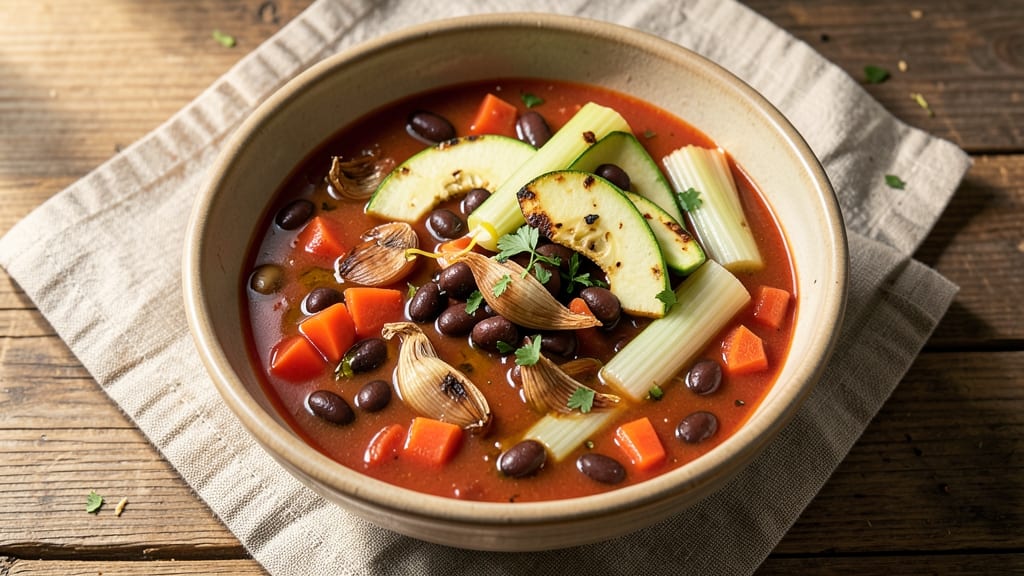
This black bean minestrone soup recipe transforms humble ingredients into a hearty, protein-rich bowl of comfort that honors Italian tradition while embracing modern flavors. The secret lies in slow-simmered beans, tender vegetables, and aromatic herbs that create depth without complexity—perfect for weeknight dinners or meal prep.
I developed this version after years of testing, balancing traditional techniques with shortcuts that deliver restaurant-quality results in one pot.
What sets this recipe apart is the roasted garlic base that infuses the soup with sweet, nutty depth, while smoked paprika adds a subtle smokiness that elevates the beans.
The vegetables—carrots, celery, and zucchini—soften just enough to absorb the flavorful broth without losing their texture, creating a satisfying bite in every spoonful. Unlike many minestrone recipes, this version relies on black beans for plant-based protein, making it both nourishing and versatile for any dietary preference.
The result is a soup that's rich enough to stand alone but light enough to pair with crusty bread or a simple green salad. The broth develops a complex, savory character as it simmers, while fresh basil and parsley brighten the final presentation.
Whether you're feeding a family or prepping for the week, this recipe delivers consistent, foolproof results that taste like a home-cooked meal—no shortcuts needed.
For those with extra time, roasting the vegetables before adding them to the pot intensifies their natural sweetness, but sautéing works perfectly for busy weeknights. The optional garnish of toasted pine nuts or a drizzle of olive oil adds a final touch of sophistication.
Here's how to make it—step by step, with techniques that ensure success every time.
Ingredients for black bean minestrone soup
Heartiness in a pot: these 15 ingredients create a soul-warming black bean minestrone with restaurant-quality depth.
| Ingredient | Amount | Notes |
|---|---|---|
| Dried Black Beans 🌱 | 1 ½ cups | Soaked overnight or quick-soaked |
| Extra-Virgin Olive Oil 🫒 | ⅓ cup | High quality, fruity variety |
| Roasted Garlic Cloves 🧄 | 6 whole | Roasted until caramelized |
| Carrots 🥕 | 2 medium | Peeled, cut into 1/2-inch pieces |
| Celery Stalks 🧅 | 3 whole | Trimmed, cut into 1/2-inch pieces |
| Zucchini 🥒 | 2 medium | Trimmed, cut into 1/2-inch slices |
| Smoked Paprika 🌶️ | 1 tbsp | For subtle smokiness |
| Dried Oregano 🍃 | 1 tsp | Italian variety preferred |
| Vegetable Broth 💧 | 4 cups | Low-sodium preferred |
| Canned Diced Tomatoes 🍅 | 1 14.5-oz can | San Marzano preferred |
| Fresh Basil Leaves 🌿 | ¼ cup | Chopped, for garnish |
| Fresh Parsley Leaves 🌿 | ¼ cup | Chopped, for garnish |
| Red Wine Vinegar 🍷 | 1 tbsp | For brightness |
| Sea Salt 🧂 | 1 ½ tsp | Diamond Crystal preferred |
| Black Peppercorns 🌶️ | ½ tsp | Freshly ground |
The roasted garlic transforms this from ordinary to extraordinary. Whole heads roasted at 400°F until caramelized deliver sweet, nutty depth—no need for pre-minced. For convenience, Trader Joe's sells pre-roasted cloves, but fresh is superior. Black beans should be organic when possible to avoid bitter aftertaste. Soak them overnight for creamier texture, or use the quick-soak method (boil for 2 minutes, then let sit covered for 1 hour). The smoked paprika adds complexity without overpowering; Penzeys offers the best quality for this purpose.
No smoked paprika? Substitute 1/2 tsp liquid smoke plus 1/2 tsp regular paprika for similar depth. The vegetable broth can be homemade or high-quality store-bought—Pacific Foods or Imagine brands are excellent choices. For the tomatoes, San Marzano cans provide superior flavor, though any good-quality diced tomatoes work. Fresh herbs can be swapped: 1 tbsp dried basil equals 1/4 cup fresh. The carrots and celery should be organic when possible to avoid pesticide residue, but conventional works if washed thoroughly.
This soup tastes even better the next day as flavors meld. Store in an airtight container in the fridge for up to 5 days, or freeze for 3 months. For meal prep, double the recipe and portion into containers—each serving contains about 1.5 cups. The optional garnish of toasted pine nuts or a drizzle of extra-virgin olive oil adds sophistication. For extra protein, stir in 1 cup cooked quinoa per serving before serving.
Why You'll Love This Recipe
- No-Soaking Needed: I’ll admit, I used to dread soaking beans—but these dried black beans soften perfectly in the simmering broth. Just toss them in raw, and by the time the roasted garlic and carrots caramelize, they’re tender and packed with flavor. No fancy prep, no waiting.
- Roasted Garlic Magic: Between us, this is where the soup becomes ridiculously good. The garlic cloves get crisped in the oven until golden and sweet, then blended into the olive oil—no raw bite, just deep, mellow richness that coats every spoonful. (Yes, even on a Tuesday night.)
- Double-Duty Leftovers: This soup tastes even better the next day, but here’s the real win: turn yesterday’s lunch into today’s salad. Strain the cooled beans and veggies, toss with greens, avocado, and lime for a hearty bowl. Zero waste, all flavor.
- Budget Meal for Crowds: I feed six people for under $10, and everyone leaves happy. The dried beans stretch the broth, the carrots and celery bulk it up, and the olive oil keeps it luscious without breaking the bank. Plus, it’s the kind of dish where seconds are expected—not begged for.
Step-by-step instructions for black bean minestrone soup
This method delivers a rich, flavorful minestrone with perfectly tender beans and vibrant vegetables—every spoonful packed with protein and texture.
Sauté the Vegetable Base
Heat the 0.33 cup extra-virgin olive oil in a large Dutch oven over medium heat. Add the 2 medium carrots, 3 whole celery stalks, and 2 medium zucchini, all cut into ½-inch pieces. Sauté for 8-10 minutes until the vegetables soften slightly and begin to release their natural juices. You'll notice the carrots develop a subtle caramelization at the edges—this builds foundational flavor.
Add the 6 whole roasted garlic cloves and stir for 1 minute until fragrant. Sprinkle in the 1 tablespoon smoked paprika and 1 teaspoon dried oregano, stirring constantly for 30 seconds to toast the spices and deepen their aroma. This step ensures the vegetables develop a rich, smoky base before adding liquids. If the vegetables stick, reduce heat briefly to medium-low and continue cooking until tender.
Build the Flavor Foundation
Pour in the 4 cups vegetable broth and scrape up any browned bits from the bottom of the pot with a wooden spoon. This deglazing captures concentrated flavor that would otherwise go to waste. Add the 1 14.5-oz can diced tomatoes (with juices) and bring the mixture to a gentle boil. Reduce heat to medium-low and let it simmer uncovered for 15 minutes, stirring occasionally. The broth should reduce slightly, intensifying the vegetable flavors and creating a velvety texture.
Here's the thing—don't rush this simmering time. The vegetables need to meld together, and the broth needs to develop depth. You'll know it's ready when the carrots are fork-tender and the celery loses its crispness but retains structure. If the soup reduces too quickly, add ½ cup water to maintain consistency.
Incorporate the Black Beans
Add the 1.5 cups dried black beans (drained if quick-soaked) to the simmering broth. Stir gently to distribute them evenly. Return the soup to a gentle simmer and cook uncovered for 30-40 minutes, stirring occasionally. The beans should soften but remain intact with a slight bite—this ensures they hold their shape while contributing protein and texture. You'll notice the soup thickens naturally as the beans release starch.
After 20 minutes, taste the soup and adjust seasoning with 1 teaspoon sea salt and ½ teaspoon black peppercorns. The beans should absorb the flavors, but you may need to add more salt depending on your broth's sodium content. If the soup becomes too thick, add ½ cup water to achieve a balanced consistency. The goal is a hearty yet spoonable texture that coats the back of a spoon.
Finish with Brightness and Garnish
Stir in the 1 tablespoon red wine vinegar and simmer for 5 minutes to brighten the flavors and cut through the richness. The vinegar adds a subtle tang that balances the earthy vegetables and smoky spices. Remove the pot from heat and let the soup rest for 10 minutes, allowing the flavors to meld and the beans to fully hydrate.
Before serving, stir in the ¼ cup chopped fresh basil leaves and ¼ cup chopped fresh parsley leaves. These herbs add a vibrant finish and fresh contrast to the warm, hearty soup. Ladle into bowls and serve immediately, garnished with additional parsley if desired. The soup should be rich, aromatic, and packed with layers of texture—creamy beans, tender vegetables, and a bright, balanced broth.
Pro Tips For Making Black Bean Minestrone Soup
- SOAK BEANS OVERNIGHT: I learned this the hard way—rushing black beans with a quick soak leaves them tough and uneven. Cover them in cold water (2 cups per cup of beans) and let them sit 12+ hours; the flavor and texture pay off. No soaking? Boil them 2 minutes first, then drain and repeat—it’s annoying but works.
- ROAST GARLIC UNTIL COLLAPSED: Roasted garlic cloves should be soft enough to squish with a fork—no need to char them. Wrap them in foil with a drizzle of olive oil, roast at 400°F (200°C) for 35-40 minutes, then mash them into a paste. Overcooking turns them bitter; undercooked means they’ll taste raw.
- SWEAT VEGETABLES LOW AND SLOW: Celery and carrots need patience—cook them over medium-low heat with a splash of water until they’re tender but not mushy. High heat just burns them before they soften, and you’ll end up with a soup that tastes like vegetables fought each other. Stir occasionally, and don’t rush.
- SALT THE BEANS EARLY: Add a pinch of salt to the soaking water (or the initial pot) to keep the beans from bloating like overinflated balloons. I skip this, and my beans always turn out uneven—some too firm, others mushy. It’s a small step that makes a real difference in texture.
Wine and beer pairings for this black bean minestrone soup
White Wine Pairings
An un-oaked Italian white like Vermentino or Pinot Grigio complements this soup beautifully. Their crisp acidity and citrus notes cut through the richness of the black beans and roasted garlic, while their subtle mineral finish mirrors the earthy depth of the vegetables.
I always reach for a chilled bottle of Vermentino from Sardinia—it’s light enough to let the soup’s flavors shine while adding a refreshing contrast. 🍷
Red Wine Options
For red wine lovers, a light-bodied Chianti or Sangiovese works surprisingly well. The bright acidity and cherry notes in these wines harmonize with the smoked paprika and tomatoes, while their earthy undertones echo the soup’s vegetable base.
Opt for a young Chianti with minimal oak to avoid overpowering the dish. Serve slightly cooler than room temperature—around 55°F—to enhance the wine’s crispness.
Beer Recommendations
A crisp Italian lager like Peroni or Moretti is my go-to beer pairing. The clean, effervescent profile cleanses the palate between spoonfuls, while the subtle malt sweetness balances the soup’s smoky and tangy elements.
For a craft option, try a Belgian witbier—its coriander and citrus notes add a playful contrast to the hearty flavors. Avoid heavy stouts or IPAs, as their boldness can clash with the soup’s delicate balance.
Non-Alcoholic Choices
For a refreshing non-alcoholic option, sparkling water with a splash of lemon or ginger beer works wonders. The effervescence enhances the soup’s textures, while the ginger’s warmth complements the smoky paprika.
If you prefer something more substantial, a cold brewed hibiscus tea adds a tart, floral note that pairs surprisingly well with the earthy beans and herbs. 💧
Serving Temperature Tips
Serve your wine or beer slightly chilled—around 45-50°F for whites and 50-55°F for reds. The cooler temperature preserves the drink’s acidity and freshness, making each sip feel like a palate refresher.
I like to pour a glass just before serving the soup, allowing the flavors to meld together naturally as you eat. For beer, serve at 40-45°F to highlight its crispness and carbonation.
Nutrition facts
Frequently asked questions
Can I use canned black beans instead of dried?
Yes, but adjust the cooking time. For 1.5 cups dried beans, use 2 (15-oz) cans of drained black beans. Add them during Step 3 and simmer for only 10-15 minutes to warm through—no need to soak or boil. Canned beans save time but lack the earthy depth of dried beans, which soften gradually in the broth.
Why does my minestrone taste bland?
Most likely, you skipped the roasted garlic or degazing step. Caramelized garlic adds sweetness, while scraping up browned bits from the pot captures concentrated flavor. Boost taste by adding 1 extra tablespoon smoked paprika or ½ teaspoon red pepper flakes for heat. Let the soup rest 10 minutes off heat before tasting—flavors meld during this time.
How can I make this gluten-free?
This recipe is already gluten-free! Just ensure your vegetable broth is certified gluten-free (check labels—some contain wheat). For extra insurance, use homemade broth with gluten-free ingredients. The smoked paprika and spices are typically gluten-free, but verify brands like Penzeys or Simply Organic for purity.
Can I prep this soup ahead of time?
This soup tastes even better the next day. Store in an airtight container in the fridge for up to 5 days, or freeze for 3 months. Reheat gently on the stove with ½ cup water or broth to restore consistency. The flavors deepen overnight as the beans absorb the broth. For meal prep, double the recipe and portion into containers—each serving has 1.5 cups of hearty goodness.
What if I don’t have roasted garlic?
No problem! Use 3-4 fresh garlic cloves, minced, sautéed for 1-2 minutes until fragrant. For extra depth, add ½ teaspoon garlic powder along with the smoked paprika. Avoid jarred minced garlic—it lacks freshness and can make the soup taste bitter.