
Soups & Stews
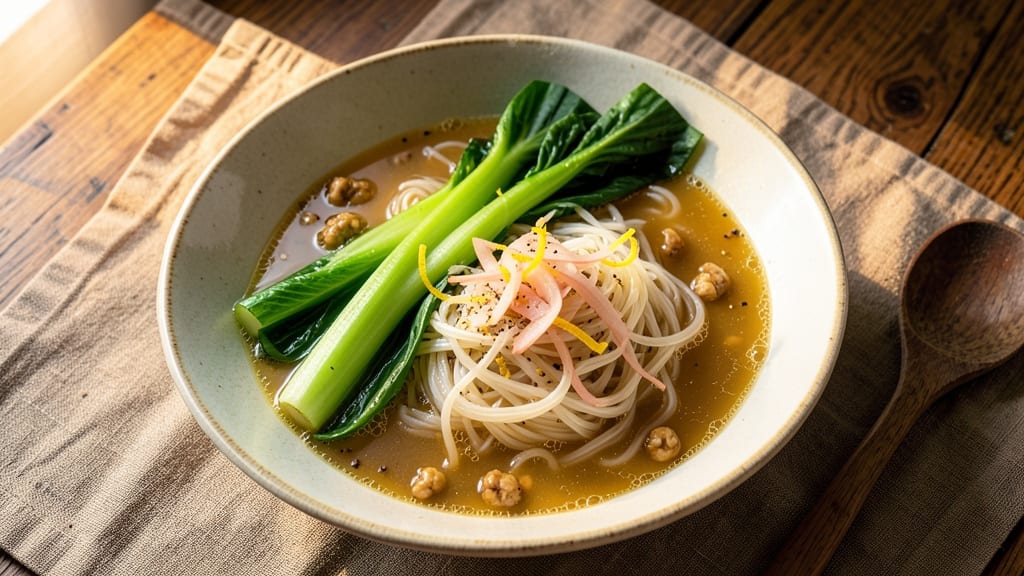
This bok choy noodle soup recipe delivers a harmonious balance of silky rice ribbons, tender bok choy, and a fragrant ginger-lime broth that awakens the senses. The secret lies in building layers of flavor through slow-simmered aromatics and fresh herbs, creating a vegetarian-friendly dish that feels both comforting and vibrant.
Every spoonful is a perfect marriage of textures—slippery noodles, crisp bok choy stems, and velvety broth—all coming together in under 45 minutes without sacrificing depth.
The foundation of this soup is a fragrant broth infused with ginger, garlic, and lime zest, which brightens the dish while balancing the earthiness of bok choy.
Unlike quick stir-fry soups, this recipe emphasizes a gentle simmer to develop complex flavors, ensuring the broth is rich yet light enough to let the ingredients shine. The rice noodles, cooked just shy of al dente, absorb the aromatic liquid while maintaining their signature silkiness.
What sets this recipe apart is its versatility—serve it as a light lunch, a refreshing dinner, or even a healing meal when you're under the weather.
The addition of fresh herbs like cilantro or Thai basil at the end adds a final burst of freshness, while optional garnishes like chili oil or toasted sesame seeds let you customize the heat and crunch to your preference.
Each bowl is packed with umami, citrus brightness, and a satisfying chew from the bok choy.
Perfect for meal prep or a spontaneous weeknight dinner, this soup proves that vegetarian meals can be deeply satisfying without relying on heavy ingredients. The technique is straightforward, but the result is anything but basic—think restaurant-quality in your own kitchen. Let’s get cooking!
Ingredients for bok choy noodle soup
Silky rice noodles, tender bok choy, and fragrant ginger-lime broth create a vegetarian masterpiece in under 45 minutes.
| Ingredient | Amount | Notes |
|---|---|---|
| Bok Choy 🥬 | 2 whole | Baby or regular, stems separated |
| Rice Noodles 🍜 | 8 oz | Flat, medium-width, uncooked |
| Fresh Ginger 🧄 | 2 tbsp | Finely grated, aromatic |
| Garlic Cloves 🧄 | 4 cloves | Minced, for aromatic base |
| Lime Zest 🍋 | 1 tbsp | Bright citrus flavor |
| Lime Juice 🍋 | 2 tbsp | Freshly squeezed |
| Vegetable Broth 💧 | 4 cups | Low-sodium, homemade preferred |
| Sesame Oil 🫒 | 1 tbsp | Toasted, for aroma |
| Soy Sauce 🥢 | 1 tbsp | Light or tamari for gluten-free |
| Fresh Cilantro 🌿 | ¼ cup | Chopped, for garnish |
| Thai Basil 🌿 | 0.1 cup | Optional, for aromatic finish |
| Chili Oil 🌶️ | 1 tbsp | Optional, for heat |
| Toasted Sesame Seeds 🥜 | 1 tbsp | Optional, for crunch |
| Salt 🧂 | 1 tsp | Adjust to taste |
| Black Pepper 🌶️ | ½ tsp | Freshly ground |
The bok choy is the heart of this dish—look for bright green leaves and crisp stems at your local Asian market or well-stocked grocery store like Whole Foods or Trader Joe's. Baby bok choy cooks faster, but regular heads give more satisfying texture. Fresh ginger should smell pungent and firm; avoid any with soft spots or sprouting. For the rice noodles, brands like Kunitoro or Vietnamese rice noodles work best—they hold their shape without getting mushy. The lime zest is non-negotiable for that signature brightness, so use a microplane to get fine, fragrant shreds rather than thick slices.
No Thai basil? Fresh Italian basil or even parsley will work in a pinch, though the anise notes are unique. Short on sesame oil? A dash of toasted peanut oil adds similar depth. For extra umami without soy sauce, try 1 tbsp miso paste dissolved in the broth. The vegetable broth should be homemade if possible—store-bought brands like Pacific Foods or Imagine are solid low-sodium options. If your bok choy stems are particularly thick, slice them lengthwise to ensure even cooking. The lime juice can be substituted with lemon, though lime’s floral notes are ideal.
This soup reheats beautifully—simmer gently for 2-3 minutes to restore silkiness. Store leftovers in an airtight container for up to 4 days in the fridge, or freeze for 3 months in a sealed bag. For meal prep, cook the noodles and broth separately, then assemble when ready to serve. The fresh herbs should be added last—toss them in just before eating to preserve their vibrant color and aroma. Garnishes like chili oil and sesame seeds keep for months in a cool, dark place, so stock up if you enjoy them frequently.
Why You'll Love This Recipe
- No-Chop Needed: I swear by this—just slice the bok choy into thick wedges (no dice, no fuss) and toss them in whole. The garlic and ginger get minced in 30 seconds flat, and those rice noodles soak up the broth like magic. Honestly, my busiest nights thank me every time.
- Umami Bomb: That lime zest might seem small, but it cuts through the richness of the ginger and garlic, giving it this bright, almost citrusy depth. The bok choy stays crisp-tender, and the noodles? They’re the perfect chewy contrast. Between us, it’s the kind of flavor that makes you reach for seconds without trying.
- Lunchbox Hero: I make a big pot on Sundays and pack it for work all week—it reheats beautifully, and the noodles stay separate until you pour hot broth over them. Add a soft-boiled egg or leftover chicken if you’re feeling fancy, but even plain, it’s spot-on for a quick, satisfying meal.
- Pocketbook Pleaser: Bok choy and rice noodles are dirt cheap, and a single lime and ginger root stretch across multiple meals. I’ve fed four people for under $10 with this, and the leftovers? They’re just as good the next day—no sad, soggy noodles here. My wallet and I both approve.
Step-by-step instructions for bok choy noodle soup
Transform simple ingredients into a vibrant, aromatic soup where silky rice noodles float in a fragrant ginger-lime broth.
Prepare the Aromatic Base
Heat a large pot over medium heat and add the 1 tablespoon sesame oil. Once shimmering, add the 2 tablespoons finely grated fresh ginger and 4 minced garlic cloves. Sauté for 2-3 minutes until the ginger becomes fragrant and the garlic turns golden—this releases their essential oils and forms the foundation of your broth.
Add the 1 tablespoon lime zest and 1 tablespoon soy sauce immediately after the garlic. Stir constantly for 30 seconds to infuse the citrus oils into the base. The lime zest will brighten the entire dish, balancing the umami from the soy sauce and garlic. This quick infusion ensures maximum flavor extraction before the broth comes into play.
Build the Fragrant Broth
Pour in the 4 cups vegetable broth and bring to a gentle simmer over medium-high heat. Once bubbling, add the 1 teaspoon salt and ½ teaspoon black pepper, stirring until fully dissolved. The broth should taste seasoned but not salty—adjust with additional salt if needed, as homemade broths vary in intensity.
Add the 2 tablespoons lime juice and let the broth simmer uncovered for 5 minutes to allow the flavors to meld. The lime juice will mellow slightly during this time, preventing an overly acidic finish. Keep the heat at a steady simmer—boiling too vigorously can make the rice noodles cook unevenly later.
Cook the Rice Noodles
While the broth simmers, prepare the 8 ounces rice noodles by rinsing them under cold water to remove excess starch. This prevents clumping and ensures they cook evenly. Drain well and set aside in a bowl.
Add the drained noodles to the simmering broth and cook for 3-4 minutes, stirring gently to prevent sticking. The noodles should soften and become translucent but still hold a slight bite—this texture is ideal for Asian-style noodle soups. Remove from heat immediately after they reach this stage, as they'll continue cooking slightly from residual heat.
Incorporate the Bok Choy
Separate the 2 whole bok choy into stems and leaves. Blanch the stems in boiling water for 1 minute to soften slightly, then drain and set aside. In the same pot, add the bok choy leaves and cook for 1 minute until just wilted but still vibrant green.
Add the blanched stems back to the pot along with the cooked noodles. Stir gently to combine, ensuring the noodles are evenly distributed. The bok choy should retain some crispness—overcooking will make it mushy. The stems will soften further from the residual heat, creating a perfect texture contrast with the silky noodles.
Finish and Garnish
Divide the soup among four bowls, ladling in the noodles, bok choy, and broth evenly. Drizzle each serving with 1 teaspoon chili oil (if using) and sprinkle with 1 tablespoon toasted sesame seeds. The chili oil adds a subtle heat, while the sesame seeds contribute a nutty crunch that cuts through the broth's richness.
Garnish each bowl with 1 tablespoon chopped fresh cilantro and 1 tablespoon Thai basil. The herbs should be added just before serving to preserve their fresh aroma. Serve immediately while the noodles are still warm and the broth maintains its vibrant color and depth of flavor. Each spoonful should deliver a harmonious balance of citrus, ginger, umami, and fresh herbal notes.
Pro Tips For Making Bok Choy Noodle Soup
- PARBOIL THE BOK CHOY: I learned this the hard way—raw bok choy in hot broth wilts into a sad, watery mess. Instead, blanch the stalks for 30 seconds in boiling water, then shock in ice bath. This keeps them crisp enough to bite into while still letting them soften just enough in the soup.
- SALT THE NOODLES FIRST: Rice noodles absorb flavor like a sponge, but they’ll turn mushy if you add them to broth that’s already seasoned. Soak them in warm water with a pinch of salt for 10 minutes before adding—this guarantees they’re perfectly tender and packed with taste from the start.
- MINCE THE GINGER FINE: Thin slices of ginger just sit there, releasing flavor unevenly. Grate it into a paste with the peel—yes, the peel—using a microplane. The texture blends seamlessly into the broth, and you’ll taste it in every sip, not just in random spots.
- STIR IN LIME ZEST LAST: Lime zest brightens the soup, but add it too early and the citrus oils will turn bitter. Toss in a tablespoon of zest right when you plate the soup—it’ll perfume the broth without overpowering the other flavors. (Pro move: Zest over ice cubes if you’re serving it cold.)
Perfect pairings for this dish
Side Dish Harmony
Pair this vibrant soup with steamed jasmine rice—its mild, fragrant notes complement the citrusy broth without overpowering it. I love using short-grain rice from brands like Lundberg or Tilda, as it absorbs the soup's flavors beautifully.
For extra texture, serve with crispy fried shallots—just toss ½ cup sliced shallots in 2 tbsp neutral oil and fry until golden. 🥢
Another perfect match is a quick cucumber salad. Thinly slice 1 English cucumber and toss with 1 tbsp rice vinegar, ½ tsp sugar, and a pinch of red pepper flakes. The cool crunch balances the soup's warmth, while the vinegar echoes the lime in the broth.
Beverage Pairings
A crisp green tea like japanese sencha or jasmine tea enhances the soup's delicate flavors. The tea's subtle sweetness and umami notes harmonize with the ginger and bok choy. For a non-alcoholic option, try sparkling yuzu soda—its citrusy fizz mirrors the lime zest in the soup. 🍵
If you prefer alcohol, a dry white wine like sauvignon blanc or pinot grigio works beautifully. The wine's acidity cuts through the richness of the broth, while its citrus notes complement the lime. For a lighter option, a light lager like Asahi or Sapporo keeps the meal refreshing and balanced.
Garnish Upgrades
For an extra layer of flavor, top each bowl with quick-pickled carrots. Thinly slice ½ cup carrots, soak in ¼ cup rice vinegar with 1 tsp sugar for 15 minutes. The tangy crunch adds a delightful contrast to the silky noodles. 🥕
Add crispy garlic chips for a savory crunch. Toss 4 thin garlic slices in 1 tbsp oil and bake at 375°F for 8-10 minutes until golden. The garlic's intensity pairs perfectly with the soup's aromatic broth, adding a satisfying bite.
Meal Structure
Serve this soup as a light lunch with a simple miso soup on the side. The umami depth of miso complements the citrusy bok choy noodle soup without competing.
For a heartier meal, add a grilled tofu or shrimp skewer on the side—just marinate in 1 tbsp soy sauce, 1 tsp honey, and ½ tsp grated ginger for 15 minutes before grilling. 🍤
For a vegetarian spread, include steamed edamame and seaweed salad. The edamame adds protein, while the seaweed's briny notes enhance the soup's overall umami profile. Arrange everything on a banana leaf for an elegant, interactive presentation that keeps the meal feeling fresh and vibrant.
Nutrition facts
Frequently asked questions
Can I substitute regular cabbage for bok choy in this recipe?
While you can use regular cabbage, it won't have the same delicate flavor or texture. Bok choy's tender stems and mild leaves are key to this dish. If substituting, use ½ head of napa cabbage (cut into thin strips) and reduce cooking time to 30 seconds to avoid mushiness. The flavor will be milder, so add an extra ½ teaspoon soy sauce to compensate.
Why does my broth taste flat after simmering?
Flat broth usually means the aromatics (ginger, garlic, lime zest) weren't infused long enough. Always sauté the ginger and garlic until fragrant (2-3 minutes) before adding broth. For extra depth, add 1 star anise pod or 1-inch cinnamon stick while simmering—remove before serving. Also ensure you're using fresh lime zest (not dried) and simmer uncovered to concentrate flavors.
How do I prevent the rice noodles from turning mushy?
Overcooking is the main culprit. Cook noodles for exactly 3-4 minutes in simmering broth, then remove immediately. Rinse them briefly under cold water before adding to the pot to remove excess starch. For extra insurance, use fresh rice noodles (not dried) and always cook them in the broth—never pre-boil. Stir gently while cooking to prevent clumping.
Can I make this soup ahead of time?
Yes! Prepare the broth and cook the noodles separately, then store components in an airtight container for up to 3 days. Reheat broth gently, add fresh noodles (they'll cook in 2 minutes of reheating), and stir in fresh bok choy at the end. The herbs and garnishes should always be added fresh to preserve their aroma. For freezing, store broth and noodles separately for up to 3 months—freeze bok choy separately and add fresh when reheating.
What's the best way to add protein to this vegetarian soup?
For plant-based protein, add ½ cup cooked edamame or 4 oz silken tofu cubes (pan-fried until golden). For animal protein, try 4 oz sliced shrimp (cook in broth for 2 minutes) or 2 oz thinly sliced chicken breast (poach separately). Add protein at the last 2 minutes of cooking to prevent overcooking. The tofu or shrimp will absorb the broth's flavors beautifully while keeping the dish light.