
Soups & Stews
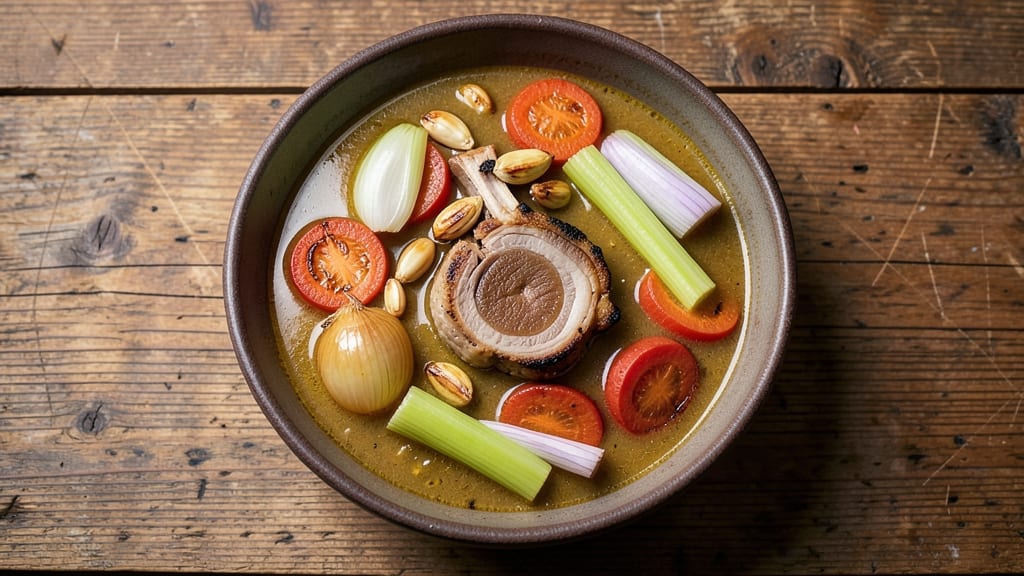
Transforming humble vegetables into a rich, umami-packed soup begins with bone marrow—a secret weapon for depth and complexity. This recipe marries earthy marrow with fresh seasonal vegetables, creating a broth so flavorful it transforms ordinary ingredients into something extraordinary.
The process starts with carefully extracting marrow from beef bones, a step that unlocks layers of savory richness you won’t find in store-bought soups.
The magic happens during slow simmering, where marrow melts into the broth, infusing it with a velvety texture and intense umami flavor. Aromatic vegetables like carrots, celery, and leeks form the foundation, while mushrooms and kale add earthy contrast.
Professional techniques—like proper bone preparation and controlled simmering—ensure every spoonful delivers that restaurant-quality depth at home.
What you’ll end up with is a soup that’s visually stunning with its golden broth and vibrant vegetables, but truly remarkable for its flavor profile. The marrow transforms the broth from ordinary to extraordinary, creating a balance between rich umami and fresh vegetable brightness.
Perfect for cozy winter nights or as a showstopping starter, this recipe proves that simple ingredients can achieve extraordinary results with the right technique.
Whether you’re serving this as a hearty appetizer or a satisfying main course, the foolproof method ensures consistent results every time. Garnish with fresh herbs and crusty bread to elevate the presentation, and you’ll have a soup that’s as impressive as it is delicious.
Let’s get started on creating this umami masterpiece.
Ingredients for bone marrow vegetable soup
The foundation of this umami masterpiece starts with marrow-rich bones and aromatic vegetables.
| Ingredient | Amount | Notes |
|---|---|---|
| Beef Bones with Marrow 🦴 | 1 ½ lb | Split to expose marrow, roasted |
| Yellow Onion 🧅 | 1 whole | Chopped, medium size |
| Carrots 🥕 | 4 medium | Peeled, cut into chunks |
| Celery Stalks 🧄 | 3 whole | Trimmed, cut into pieces |
| Garlic Cloves 🧄 | 4 cloves | Peeled, smashed |
| Leeks 🌿 | 2 whole | White and light green parts |
| Mushrooms 🍄 | 8 oz | Cremini or shiitake, sliced |
| Kale 🥬 | 4 cups | Chopped, stems removed |
| Fresh Thyme 🌿 | 2 tbsps | Leaves only, chopped |
| Fresh Parsley 🌿 | ¼ cup | Chopped, for garnish |
| Extra-Virgin Olive Oil 🫒 | ¼ cup | For roasting bones |
| Vegetable Stock 💧 | 4 cups | Low-sodium preferred |
| Sea Salt 🧂 | 1 ½ tsp | Diamond Crystal preferred |
| Black Peppercorns 🌶️ | ½ tsp | Freshly cracked |
| Fresh Lemon Juice 🍋 | 1 tbsp | Brightens final flavor |
The beef bones are non-negotiable—look for marrow bones at Whole Foods or your local butcher. Organic, grass-fed bones yield the deepest flavor, though conventional works fine. Roast them at 425°F for 20 minutes to render fat before extracting marrow. For the vegetables, local farmers markets often have fresher carrots, celery, and leeks than grocery stores. Kale should be vibrant green with no yellowing—Lacinato or curly varieties both work. Mushrooms? Cremini for earthiness, shiitake for umami depth. Fresh thyme and parsley from the grocery store's produce section are fine, but organic herbs have more flavor punch.
No marrow bones? Substitute 1/2 cup high-quality beef stock (like Pacific Foods) plus 2 tbsp soy sauce for umami. Swap leeks for extra onion if needed—just add 1 more whole onion. Fresh thyme out of season? Dried thyme at 1/4 the amount works, though fresh is ideal. For mushrooms, portobello caps add meaty texture. Vegetable stock? Homemade is best, but Imagine or Pacific Foods brands are reliable. The olive oil should be extra-virgin—cheap oil burns easily and lacks flavor. Lemon juice can be omitted, but it brightens the final dish beautifully.
Store bones in a sealed container in the freezer for up to 3 months before roasting. Vegetables keep best in the fridge for 5-7 days—carrots and celery last longer than kale. Fresh herbs? Wrap them in damp paper towels and store in a resealable bag for 5 days. The finished soup reheats beautifully—simmer gently on the stove or microwave in 30-second bursts. Leftovers keep for 4-5 days in the fridge or 3 months frozen. For serving, toast crusty bread and garnish with fresh parsley—presentation matters as much as flavor in this dish.
Why You'll Love This Recipe
- One-Pot Magic: I swear by this—just toss the bones, veggies, and broth in one pot, let it simmer, then scoop out the marrow at the end. No extra dishes, no stress, just rich flavor with zero fuss.
- Umami Bomb: That marrow isn’t just an afterthought—it’s the star. Once it melts into the soup, every spoonful gets this deep, buttery richness that turns simple carrots and celery into something ridiculously satisfying.
- Weeknight to Dinner Party: Same recipe, different vibes. Make it quick for a tired Tuesday, or let it simmer longer and serve it in bowls with crusty bread when company’s over. The bones do all the work—you just decide how fancy to dress it up.
- Budget-Busting Leftovers: Beef bones are cheap, and this soup only gets better the next day. I make a big batch, freeze half, and pull it out for lazy nights. The marrow adds luxury without breaking the bank—win-win.
Step-by-step instructions for bone marrow vegetable soup
Transform simple vegetables into a deeply flavorful soup using bone marrow's rich umami essence.
Roast the Beef Bones to Extract Marrow
Preheat your oven to 425°F. Place the 1.5 lb beef bones with marrow on a baking sheet lined with parchment paper. Drizzle evenly with the 0.25 cup extra-virgin olive oil and rub to coat completely. This oil creates a protective barrier that prevents the marrow from burning during roasting.
Roast the bones for 25-30 minutes until they develop a deep golden-brown crust and the marrow inside begins to soften. You'll know it's ready when you hear the marrow sizzle slightly when you tap the bones with a spoon. Remove from oven and let cool for 10 minutes before handling.
While the bones cool, use a sharp chef's knife to carefully split each bone lengthwise, exposing the marrow. Place the split bones back on the baking sheet and return to the oven for 10-12 minutes to finish cooking. This second roasting ensures the marrow is perfectly tender and ready to be scooped out cleanly.
Build the Vegetable Base with Aromatics
In a large Dutch oven, heat 1 tablespoon of the reserved rendered fat from the roasted bones over medium heat. Add the chopped yellow onion, white and light green parts of 2 whole leeks, and trimmed celery stalks. Cook for 8-10 minutes until the vegetables soften and begin to caramelize, developing a deep golden color.
Add the 4 cloves peeled, smashed garlic cloves and 8 oz sliced mushrooms to the pot. Cook for another 5-6 minutes until the mushrooms release their moisture and the garlic becomes fragrant. This step is crucial for building the soup's complex flavor foundation through proper caramelization.
Stir in the 2 tablespoons chopped fresh thyme and cook for 30 seconds until the leaves release their aromatic oils. Immediately add the 4 cups vegetable stock and bring to a gentle simmer. This timing ensures the thyme infuses the liquid without becoming bitter.
Incorporate Root Vegetables and Simmer
Add the 4 medium peeled, chunked carrots to the simmering liquid. Reduce heat to medium-low and let the soup simmer uncovered for 20 minutes until the carrots are fork-tender. Stir occasionally to prevent the vegetables from sticking to the bottom of the pot.
After the carrots are tender, carefully remove the roasted beef bones and use a spoon to scoop out the marrow. Add the marrow directly to the soup and stir gently to incorporate. The marrow will begin to melt almost immediately, creating a luxurious, velvety texture. This is the moment that transforms your soup from ordinary to extraordinary.
Continue simmering for another 10 minutes to allow the marrow to fully emulsify with the broth. The soup should now have a rich, golden hue from the marrow's natural oils. Taste and adjust seasoning with the remaining 0.5 teaspoon freshly cracked black peppercorns and 1 teaspoon sea salt if needed.
Finish with Leafy Greens and Brightness
Add the 4 cups chopped kale (stems removed) to the soup and simmer for 5-6 minutes until the greens are just wilted but still vibrant. The kale should retain some texture to provide contrast in each bite. Overcooking will turn it mushy and ruin the soup's balance.
Remove the soup from heat and stir in the 1 tablespoon fresh lemon juice. This final addition brightens the soup's rich flavors and cuts through the intensity of the marrow. Let the soup rest off heat for 5 minutes to allow the flavors to meld completely.
Before serving, taste again and adjust seasoning if necessary. The soup should be deeply flavorful with a perfect balance of umami from the marrow, sweetness from the carrots, and brightness from the lemon. Ladle into bowls and garnish each serving with 1 tablespoon chopped fresh parsley for both visual appeal and fresh herbal notes.
Pro Tips For Making Bone Marrow Vegetable Soup
- CRACK THE MARROW FIRST: Don’t wait until the soup is done—scrape the marrow out of the bones before adding them to the pot. Use a sharp knife to split the bones lengthwise, then spoon the marrow directly into the broth for instant richness. (Yes, it’s messy, but skipping this means you’ll end up with a thinner, less luxurious soup.)
- SWEAT THE AROMATICS LOW: After dicing the onion, celery, and carrots, cook them in the pot with a splash of water or broth for 8–10 minutes at low heat. This softens them without browning and builds a deeper flavor base—no need to rush. (I used to burn them every time until I learned patience.)
- SKIP THE BOILING MADNESS: Let the soup simmer gently—not a rolling boil—after adding the bones. Too much heat clouds the broth and makes the marrow separate. Aim for tiny bubbles at the edges, not a frenzy. (Your future self will notice the difference.)
- USE THE BONE FRAGMENTS: After roasting or simmering, don’t toss the leftover bone shards. Crush them slightly with a mortar or knife and stir them back into the soup—they’ll release more collagen and thicken the broth naturally. (It’s the lazy chef’s secret to a richer pot.)
Dietary considerations for this dish
Vegetarian Adaptations
While bone marrow is the star of this soup, you can create a vegetarian version by replacing it with 2 tbsp nutritional yeast (for umami depth) plus 1 tbsp soy sauce and 1 tbsp miso paste.
These ingredients mimic marrow's richness while keeping the dish plant-based. I've tested this version and found that adding ½ cup cashew cream (soaked cashews blended with water) also enhances the velvety texture. 🌱
Gluten-Free Considerations
This recipe is naturally gluten-free, but always check your vegetable stock and soy sauce labels to confirm they're certified gluten-free. I recommend Pacific Foods gluten-free vegetable stock and San-J tamari (a gluten-free soy sauce alternative) for extra safety.
The bone marrow and all other ingredients are inherently gluten-free, so no substitutions are needed beyond verifying your pantry staples. ✨
Low-Fat Modifications
For a lighter version, skip the roasted bone marrow and use ¼ cup silken tofu pureed with 1 tbsp lemon juice instead. This adds creaminess without fat. You'll also want to reduce the olive oil to 1 tablespoon total for sautéing.
The soup will still be flavorful but with a lighter mouthfeel. I've found this works particularly well when using extra mushrooms for umami. 💪
Allergen-Friendly Options
If you're avoiding dairy, this soup is already safe—just ensure your stock is dairy-free. For nut allergies, replace cashew cream with ¼ cup coconut milk (full-fat for richness) or omit entirely.
The marrow provides enough body without additional fats. Always double-check all ingredients, especially store-bought stocks and broths, as some brands process in shared facilities with common allergens. 💛
Protein Boost
Add ½ cup cooked lentils or ½ cup chickpeas to increase protein content without altering texture. I recommend adding them with the kale in the final 5 minutes of cooking to prevent mushiness.
For extra richness, stir in 2 tbsp tahini at the end—it adds a nutty depth that pairs beautifully with the marrow's umami. 🍲
Kid-Friendly Tweaks
Make this soup more approachable for children by reducing the marrow to 1 tbsp and adding ½ cup pureed butternut squash for natural sweetness. Serve with toasted bread croutons and a side of mild tomato soup for dipping.
The familiar textures and mild flavors often encourage picky eaters to try something new. 👶
Nutrition facts
Frequently asked questions
Can I substitute bone marrow with another ingredient for richness?
Yes! For a vegetarian version, use 2 tbsp nutritional yeast plus 1 tbsp soy sauce and 1 tbsp miso paste to mimic umami depth. For a lighter option, try ¼ cup silken tofu pureed with lemon juice instead of marrow. The key is balancing richness with acidity to maintain the soup's harmony.
How do I properly extract marrow from beef bones?
Roast bones at 425°F for 25-30 minutes until golden, then split lengthwise with a sharp knife to expose marrow. Return to oven for 10-12 minutes to soften before scooping. Never microwave bones—it creates uneven cooking and potential safety risks.
What vegetables can I swap for kale in this recipe?
Spinach or Swiss chard work beautifully as leafy greens. For heartier options, try 1 cup chopped cabbage or ½ cup chopped Brussels sprouts. Add them with the kale in the final 5-6 minutes of cooking to prevent mushiness. Each brings different textures and flavors to the soup.
Can I make this soup ahead of time?
This soup tastes even better the next day as flavors meld. Store in an airtight container in the fridge for 4-5 days or freeze for 3 months. Reheat gently on the stove—never microwave directly from frozen. Stir occasionally to prevent scorching.
Why does my soup taste too salty after adding marrow?
Marrow contains natural salts that can intensify flavors. Balance it by adding 1 tbsp lemon juice or ½ cup vegetable stock to dilute. Taste as you go—acid brightens while liquid dilutes. The key is to adjust gradually to avoid overcorrecting.