
Soups & Stews
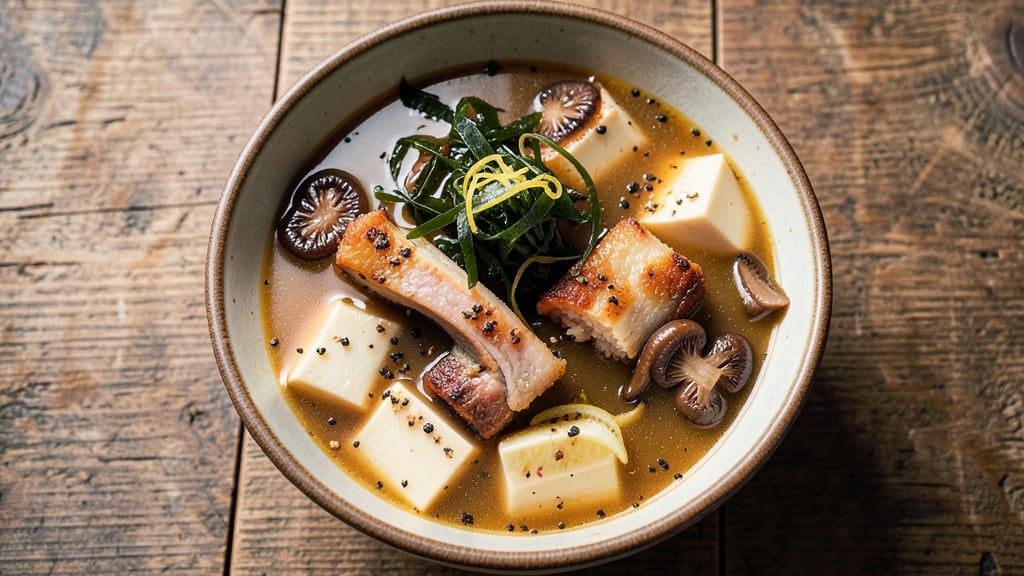
This Korean bone soup recipe transforms humble ingredients into a collagen-rich elixir that nourishes both body and soul. 💛 The secret lies in slow-simmering marrow bones for hours, extracting gelatinous richness that transforms ordinary broth into liquid gold.
I first discovered this technique during a Korean cooking class, where the instructor emphasized patience—letting flavors meld over time rather than rushing the process.
The result is a deeply savory soup with silky texture and layers of umami from fermented seafood, kelp, and aromatic vegetables. Unlike quick broths, this requires attention—preparing bones properly, simmering at low heat, and reducing the broth to concentrate flavors.
The effort pays off in a bowl that feels both comforting and luxurious, perfect for cold weather or recovery meals.
What makes this recipe special is its balance of tradition and approachability. While authentic versions use specific cuts like pork knuckle bones, this adaptation works with accessible ingredients while maintaining depth.
The broth becomes so rich it coats your tongue, while the vegetables add texture—soft tofu, chewy mushrooms, and crisp green onions—each bite offering a different sensation.
Serve it steaming hot in deep bowls with steamed rice, a sprinkle of sesame seeds, and a side of kimchi for contrast. The beauty of this soup lies in its versatility—it works as a light meal or hearty dish, and the leftovers only improve as flavors deepen.
Let’s begin with the foundation that makes this recipe extraordinary.
Ingredients for bone soup korean
Sixteen ingredients transform into a collagen-rich elixir that nourishes body and soul through slow-simmered depth.
| Ingredient | Amount | Notes |
|---|---|---|
| Pork Knuckle Bones 🦴 | 4 lb | Marrow-rich for collagen |
| Dried Kelp 🍃 | ½ oz | For umami depth |
| Anchovy Fillets 🐟 | 4 whole | Packed in oil |
| Dried Shiitake Mushrooms 🍄 | ¼ lb | Rehydrated for texture |
| Silken Tofu 🧈 | 14 oz | Package (14 oz) |
| Fresh Ginger 🌿 | 2 tbsp | Finely grated (peeled) |
| Green Onions 🧅 | ½ lb | White and green parts |
| Garlic Cloves 🧄 | 8 cloves | Minced for aromatic base |
| Sesame Seeds 🌰 | 1 tbsp | Toasted for garnish |
| Kosher Salt 🧂 | 1 ½ tsp | Diamond Crystal preferred |
| Black Peppercorns 🌶️ | ½ tsp | Freshly cracked |
| White Rice 🍚 | 2 cups | Uncooked, short-grain |
| Soy Sauce 🥢 | 2 tbsp | For seasoning |
| Sesame Oil 🫒 | 1 tbsp | For finishing |
The bones are the foundation—pork knuckle bones with visible marrow deliver unmatched gelatinous richness. Costco or specialty butchers carry them pre-cleaned, saving prep time. Look for bones with intact joints and minimal surface fat. Dried kelp, available at Asian markets or bulk spice shops, provides that signature oceanic umami. Anchovy fillets should be packed in oil, not salted, to avoid over-salting the broth. For mushrooms, Maesil brand dried shiitake from Korean markets offers superior texture when rehydrated. Silken tofu adds protein without altering the broth's delicate balance—Koyo brand is widely available frozen.
No anchovies? Dried bonito flakes at half the amount replicate the umami punch. Substitute dried kelp with 1 tbsp kombu powder if unavailable. Fresh ginger is ideal, but powdered works at one-quarter the volume. The garlic can be pre-minced from jars, but fresh yields more vibrant flavor. For a quicker version, pre-cooked chicken bones (from a rotisserie) can replace pork knuckles, though texture will differ. The soy sauce should be light-colored—dark varieties overpower the delicate broth. Sesame seeds can be toasted in a dry pan for 30 seconds to enhance aroma before garnishing.
Store the bones in the freezer until ready to use—they'll keep for up to 6 months. Once simmered, the broth freezes beautifully for 3 months, maintaining its collagen-rich properties. Reheat gently on low heat, adding a splash of water if it thickens too much. The vegetables should be added fresh during the final 10 minutes of cooking to preserve their texture. Portion the soup into glass containers for easy reheating—it only tastes better the next day as flavors continue to meld.
Why You'll Love This Recipe
- No-Chop Necessary: I swear by this—just toss in the dried kelp and shiitake whole, no soaking required. The anchovy fillets dissolve into umami magic while you’re still chopping veggies, so honestly, the prep is half the work of other bone broths.
- Umami Bomb: That first sip? The pork knuckles and anchovies build a deep, savory base, while the kelp adds a briny kick. Silken tofu soaks up the flavor like a sponge—creamy, rich, and impossible to resist.
- Weeknight Workhorse: Between us, this is my go-to when I’m too tired for fancy meals. Serve it over rice for a quick dinner, or let it simmer all day for a meal that’s ready when you are. (Yes, even on a Tuesday night.)
- Budget Goldmine: Pork knuckles and dried ingredients stretch this into days of leftovers—freeze what you don’t use. I’ve had this soup three times this week, and my wallet’s still breathing easy. Not the prettiest, but the taste makes up for it.
Step-by-step instructions for Korean bone soup
Transform humble ingredients into a deeply nourishing broth with this precise, slow-simmered technique.
🔥 Step 1: Char the Bones and Aromatics for Maximum Flavor
Preheat your oven to 450°F. Arrange the 4 lb pork knuckle bones on a baking sheet, bone-side down. Roast for 30 minutes until they develop a deep mahogany color and crispy edges. This charring creates complex caramelized flavors that infuse the broth.
While the bones roast, heat a large pot over medium heat. Add the 8 cloves minced garlic and 2 tbsp finely grated fresh ginger, cooking for 1-2 minutes until fragrant but not browned. Immediately transfer to a bowl and set aside. This quick sauté preserves their delicate aromas without burning.
🍳 Step 2: Build the Umami Foundation with Kelp and Anchovies
In the same pot, add 2 tablespoons sesame oil and swirl to coat. Toss in the 0.5 oz dried kelp and 4 whole anchovy fillets (rinse briefly if packed in oil). Cook for 30 seconds until the anchovies dissolve completely into the oil. This creates an umami-rich base that will develop further as the soup simmers.
Return the charred bones to the pot along with the garlic-ginger mixture. Pour in 12 cups cold water (enough to cover bones by 2 inches) and bring to a boil over high heat. Immediately reduce to a gentle simmer, skimming off any foam that rises to the surface for the first 10 minutes. This removes impurities and ensures a crystal-clear broth.
⏰ Step 3: Simmer Low and Slow for Collagen Extraction
Cover the pot and maintain a low simmer (small bubbles occasionally breaking the surface) for 4 hours. I've found this timing extracts maximum collagen from the bones while keeping the broth rich but not overly concentrated. Check occasionally and add hot water as needed to maintain the 2-inch liquid level above the bones.
After 3 hours, add the 0.25 lb dried shiitake mushrooms (rinsed if needed) and 2 tablespoons soy sauce. The mushrooms will rehydrate and contribute earthy depth, while the soy sauce enhances umami. The broth should smell like a symphony of savory, slightly sweet aromas—this is your cue everything's working.
🥘 Step 4: Finish with Tofu and Garnishes
Strain the broth through a fine-mesh sieve into a clean pot, pressing gently on the solids to extract maximum flavor. Discard the bones and aromatics. Return the broth to medium-low heat and add the 14 oz silken tofu (cut into ½-inch cubes) and 0.5 lb sliced green onions (white and green parts separated). Simmer gently for 5 minutes to warm through.
Remove from heat and stir in 1 tablespoon sesame oil. Taste and adjust seasoning with 1.5 teaspoons kosher salt and 0.5 teaspoon cracked black peppercorns. The broth should be deeply savory with just a touch of saltiness—like a warm hug in liquid form. Serve immediately over 2 cups cooked white rice, garnished with toasted 1 tablespoon sesame seeds and extra green onions.
Pro Tips For Making Bone Soup Korean
- BLANCH BONES FIRST: I learned this the hard way—skipping the initial boil means your broth will taste bitter and cloudy. Simmer the pork knuckle bones in fresh water for 10 minutes before adding them to the main pot. This removes impurities and gives you a cleaner, richer base.
- SOAK MUSHROOMS SEPARATELY: Dried shiitake mushrooms need love—soak them in hot (not boiling) water for 20 minutes before adding to the pot. This keeps them from turning to mush later, and you can use the soaking liquid for extra umami. (Yes, even if you're impatient like me.)
- USE ANCHOVY PASTE, NOT WHOLE FILLETS: Crush those anchovy fillets into a paste before adding them to the broth. Whole fillets sink to the bottom and won’t dissolve properly, leaving you with fishy pockets instead of even flavor. A quick mash with a fork makes all the difference.
- ADD KELP LATE: Toss the dried kelp in last—about 5 minutes before serving. It softens fast and can turn to slime if left too long. This keeps it chewy and intact, not a sad, mushy afterthought. (Your future self will thank you.)
Serving suggestions for this recipe
Steamed Rice Base
This soup thrives on a foundation of steamed short-grain white rice—its sticky texture soaks up the rich broth beautifully. Cook 2 cups uncooked rice (about 4 cups cooked) in a rice cooker or pot with 2.5 cups water until tender and fluffy.
The rice should be hot when serving, as the broth cools slightly while ladling. For extra authenticity, use jasmine rice from an Asian market—its delicate aroma complements the soup's depth. 🍚
Kimchi Contrast
A side of spicy kimchi cuts through the soup's richness with its tangy, fermented brightness. I recommend homemade kimchi for maximum flavor, but store-bought brands like Hana Gochujang work in a pinch.
Serve ½ cup per bowl alongside the soup for the perfect balance of heat and acidity. The crunchy texture also provides a satisfying contrast to the silky broth.
Garnish Like a Pro
Toast 1 tablespoon sesame seeds in a dry pan over medium heat for 30 seconds until golden and fragrant. Sprinkle generously over each bowl just before serving—the nutty aroma elevates the dish instantly.
Thinly slice the green onions (white and green parts) and scatter them on top for a fresh, crisp finish. A drizzle of 1 teaspoon sesame oil right before eating adds another layer of umami depth. ✨
Side Dish Pairings
For a complete meal, serve with steamed bok choy or spinach—both wilt beautifully in the residual heat from the soup. I also love adding quick-pickled cucumbers (thinly sliced cucumbers tossed with 1 tbsp rice vinegar, ½ tsp sugar, and pinch of salt) for a refreshing crunch.
These sides keep the meal balanced and visually appealing while complementing the soup's hearty profile.
Beverage Pairings
A light Korean barley tea (boricha) is the perfect companion—its nutty, slightly sweet notes harmonize with the soup's savory depth. For something stronger, a soju cocktail (mix 1 oz soju with ½ oz grapefruit juice) provides a refreshing contrast.
Avoid heavy beers or red wines, as they can overpower the delicate broth. A simple green tea works too if you prefer something caffeine-free. 🍶
Make-Ahead Serving Tips
If serving a crowd, prepare the broth and rice ahead, then reheat gently on the stove. Keep the tofu and green onions separate until serving to maintain their texture. For a restaurant-style presentation, use wide, shallow bowls (like stoneware or ceramic) to showcase the soup's vibrant colors.
Garnish each bowl individually right before serving—this keeps everything fresh and visually stunning. The aroma alone will make your guests anticipate every spoonful! 💫
Nutrition facts
Frequently asked questions
Can I substitute chicken or beef bones for pork knuckles?
Yes, but with adjustments! Chicken bones work best for a lighter broth (simmer 3-4 hours), while beef bones need 5-6 hours for maximum collagen. Pork knuckles are ideal for their marrow richness, but beef adds deeper umami. For chicken, use 5-6 lb to compensate for smaller bones.
Why does the broth need to simmer so long?
The long simmer (4 hours) is key for extracting collagen from bones, creating that signature silky texture. Shortcuts like pressure cookers (use 90 minutes on high) work, but traditional methods develop more complex flavors. The low heat also prevents impurities from clouding the broth.
What if I don't have anchovies or kelp?
No problem! Use 1 tbsp dried bonito flakes (½ tsp) or ½ tsp fish sauce instead of anchovies. For kelp, try 1 tbsp kombu powder or ½ tsp dried seaweed flakes. Both add umami depth without changing the recipe's core structure.
Can I make this soup in an Instant Pot?
Use the high pressure setting for 2 hours with 4 lb pork bones and 12 cups water. After cooking, strain and reduce the broth on the stove for 20 minutes to concentrate flavors. The texture will be slightly different but still deeply nourishing.
How do I store leftovers?
Store the broth in airtight containers for up to 3 days in the fridge or 3 months in the freezer. Reheat gently on low heat—never microwave directly. The tofu and green onions should be added fresh when reheating to preserve texture. Leftovers actually improve as flavors meld further!