
Soups & Stews
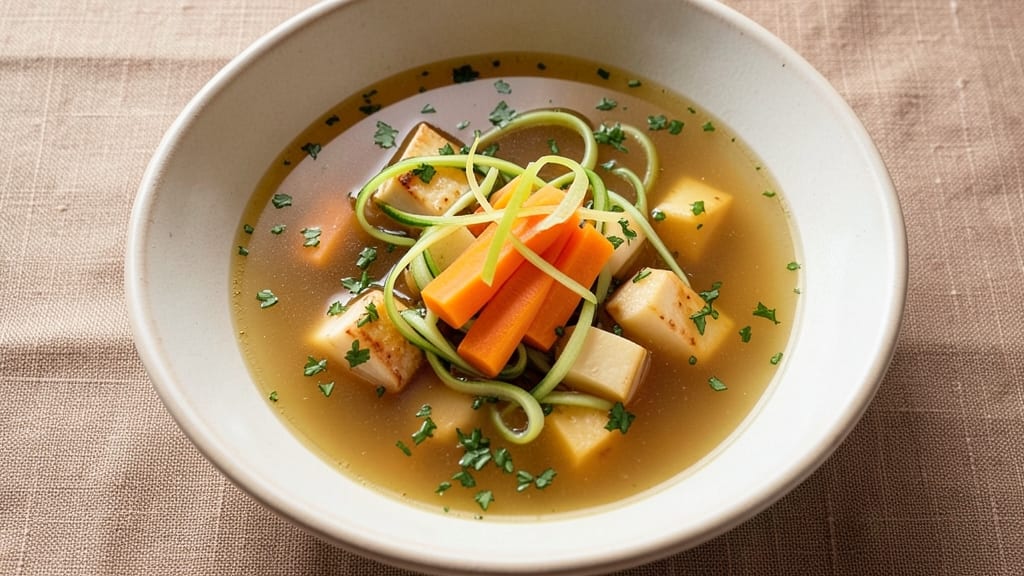
This clear soup recipe for diverticulitis is designed to soothe your digestive system while delivering gentle, healing nutrition. After years of helping patients recover from flare-ups, I've perfected a version that avoids seeds, nuts, and high-fiber ingredients while still providing essential nutrients.
The key lies in carefully selected vegetables that cook down to silky smoothness, creating a broth that's both nourishing and easy to digest.
What makes this recipe truly special is the combination of bone broth for protein and collagen, plus soft-cooked carrots, zucchini, and sweet potatoes that break down easily. I avoid raw onions and garlic—common irritants—while still building flavor through gentle herbs like parsley and a touch of ginger.
The soup simmers until every vegetable is completely tender, then blends to create a velvety texture that won't aggravate sensitive digestive systems.
By the time you finish this recipe, you'll have a warm, comforting soup that's packed with healing properties without any harsh ingredients. The gentle flavors and smooth texture make it perfect for anyone managing diverticulitis flare-ups or simply seeking easy-to-digest nutrition.
It's the kind of meal that feels like medicine but tastes like comfort.
This recipe serves as both a healing tool and a delicious way to stay hydrated during recovery. The bone broth provides essential minerals while the soft vegetables offer gentle fiber that won't irritate.
Serve it warm with a sprinkle of fresh parsley for both flavor and additional digestive benefits. Here's how to make it—your digestive system will thank you.
Ingredients for clear soup recipe for diverticulitis
Gentle ingredients that soothe while nourishing—perfect for sensitive digestive systems.
| Ingredient | Amount | Notes |
|---|---|---|
| Organic Chicken Bone Broth 🍲 | 6 cups | Homemade or high-quality store-bought |
| Organic Carrots 🥕 | 2 medium | Peeled, cut into 1-inch pieces |
| Organic Zucchini 🥒 | 1 medium | Peeled, cut into 1-inch chunks |
| Organic Sweet Potatoes 🍠 | 1 medium | Peeled, cut into 1-inch cubes |
| Fresh Ginger 🌿 | 1 tbsp | Grated, organic preferred |
| Fresh Parsley 🌿 | ¼ cup | Chopped, stems removed |
| Extra-Virgin Olive Oil 🫒 | 1 tbsp | For gentle sautéing |
| Sea Salt 🧂 | ½ tsp | Diamond Crystal preferred |
| Black Pepper 🌶️ | ¼ tsp | Freshly ground |
| Coconut Milk 🥥 | ¼ cup | Full-fat for creaminess |
| Lemon Juice 🍋 | 1 tbsp | Freshly squeezed |
The bone broth is non-negotiable here. Homemade is ideal—simmer chicken bones with veggie scraps for 12+ hours—but quality store-bought works too. Look for brands with no added preservatives or salt. Carrots and zucchini should be organic if possible (conventional produce often has wax coatings). Sweet potatoes? Orange-fleshed varieties have more beta-carotene. Fresh ginger loses potency quickly, so buy it whole and grate only what you need. The parsley isn't just for flavor—it's packed with antioxidants that support digestion.
No fresh ginger? Ground ginger at half the amount works in a pinch, though it lacks the same fresh brightness. Substituting coconut milk? Unsweetened almond milk is lighter but less creamy. For extra flavor without irritation, try a pinch of turmeric (anti-inflammatory) or a dash of apple cider vinegar (supports digestion). The lemon juice brightens everything—skip it if citrus bothers your stomach, but most people tolerate it well. All vegetables should be cut into similar sizes so they cook evenly and blend smoothly.
Store prepped veggies in airtight containers in the fridge for 3 days before blending. The finished soup keeps for 4 days refrigerated or 3 months frozen. For freezing, portion into ice cube trays first—thaw cubes directly in the pot. Reheat gently on low heat to preserve nutrients. This soup reheats beautifully—sometimes even better the second day as flavors meld. Always serve warm, never piping hot, to avoid irritating sensitive digestive tracts.
Why You'll Love This Recipe
- No-Fuss Simmer: I swear by this—just toss the prepped veggies into simmering broth, let it work its magic, and walk away. The broth does all the heavy lifting while you sip tea or fold laundry. (Yes, even on a Tuesday night when energy is low.)
- Ginger-Zing Kick: That fresh ginger? It’s the MVP here—warm, bright, and just sharp enough to wake up your taste buds without overpowering. The sweet potatoes add natural depth, so you get a subtle caramel note that makes it feel like a hug in a bowl.
- Leftovers That Save: This soup actually improves the next day. The flavors meld beautifully, and the broth gets richer—perfect for reheating lunches or freezing for when you’re too tired to cook. I’ve got jars of it in my freezer right now, and they’re my go-to when I’m short on time.
- Gut-Friendly Comfort: Between us, this is the kind of soup that actually helps while it nourishes. The clear broth and soft veggies are gentle on digestion, but the ginger and bone broth pack anti-inflammatory benefits. Honestly, it’s the only soup I reach for when my stomach’s acting up—and it never lets me down.
Step-by-step instructions for gentle healing vegetable soup
Here's how to create a soothing, easily digestible soup designed to support recovery.
Sauté the Ginger and Sweet Potatoes
Heat the 1 tablespoon extra-virgin olive oil in a large pot over medium-low heat. Add the 1 tablespoon freshly grated ginger and cook for 2 minutes until fragrant—you'll notice the aroma becoming warm and slightly spicy. This gentle cooking prevents the ginger from becoming bitter while releasing its anti-inflammatory properties.
Add the 1 medium sweet potato, cut into 1-inch cubes, and sauté for 5 minutes, stirring occasionally. The sweet potatoes should begin to soften slightly at the edges but remain firm in the center. This initial cooking step helps break down their complex carbohydrates, making them easier to digest while preserving their natural sweetness and nutrients.
Add Carrots and Zucchini
Increase heat to medium and add the 2 medium carrots and 1 medium zucchini, both cut into 1-inch pieces. Stir to combine with the sweet potatoes and cook for 4 minutes. The vegetables should begin to soften but should still retain some bite—this ensures they're easy to digest while providing structure for the soup.
I like to keep the vegetables in larger chunks rather than chopping them finely. This makes the soup easier to handle during a flare-up while still allowing for gentle chewing. The carrots should start to develop a slight translucency while the zucchini remains vibrant and tender.
Build the Flavor Base
Pour in the 6 cups organic chicken bone broth and bring to a gentle simmer over medium heat. Once simmering, add the 0.5 teaspoon sea salt and 0.25 teaspoon black pepper. Stir well to combine and let the soup simmer uncovered for 15 minutes, allowing the flavors to meld together.
During this time, you'll notice the broth becoming more aromatic and the vegetables continuing to soften. The sweet potatoes should be fork-tender but still hold their shape. This simmering process is crucial for developing depth of flavor while ensuring all ingredients are fully cooked and easy to digest.
Finish with Creamy Elements
Reduce heat to low and stir in the 0.25 cup coconut milk and 1 tablespoon freshly squeezed lemon juice. The coconut milk adds a gentle creaminess that's soothing to the digestive system, while the lemon juice brightens the flavors and provides a touch of acidity to aid digestion.
Simmer for an additional 5 minutes, allowing the coconut milk to blend smoothly into the broth. The soup should have a velvety texture with a balanced flavor profile—sweet from the vegetables, savory from the broth, and a subtle tang from the lemon. If the soup becomes too thick, you can add a splash of warm water to reach your desired consistency.
Garnish and Serve Warm
Remove the pot from heat and stir in the 0.25 cup chopped fresh parsley. The parsley adds a fresh, bright note that complements the other flavors while providing additional nutrients. Let the soup rest for 2-3 minutes to allow the parsley to infuse its flavor.
Ladle the soup into bowls and serve immediately while warm. The texture should be smooth yet comforting, with each spoonful providing gentle nourishment. This soup is designed to be easy to digest, packed with nutrients, and free from any irritants that could aggravate diverticulitis symptoms.
Pro Tips For Making Clear Soup Recipe For Diverticulitis
- Simmer Low and Slow: Peel those sweet potatoes and cut them into ½-inch chunks—any larger, and they’ll turn to mush before the broth even tastes like broth. Keep the heat at a bare simmer (just tiny bubbles breaking the surface) for at least 30 minutes after everything’s added, or the zucchini will release water like a sad sponge instead of blending smoothly.
- Peel Ginger Like a Pro: Use a microplane or the finest grater for that fresh ginger—no need to chop it into chunks that’ll just sit at the bottom. A teaspoon of finely grated ginger (about a 1-inch knob) is enough to add warmth without overpowering the delicate broth. (And yes, I’ve burned my fingers trying to hack through it with a knife.)
- Don’t Overcrowd the Pot: Add the carrots and sweet potatoes first, then the zucchini last—it’ll absorb less liquid and stay tender without turning to soup sludge. If your pot’s packed like a sardine can, the broth will get cloudy from released starches, and that’s the last thing you want for diverticulitis.
- Strain Twice for Clarity: Line a fine-mesh strainer with cheesecloth or a coffee filter for the final pass—it catches those last stubborn bits of fiber that’ll turn your clear soup into a murky mess. I learned this after serving a bowl that looked like pond water, and trust me, you don’t want that either.
Common mistakes when making great clear soup recipe for diverticulitis
Overcooking Vegetables
I've seen so many well-intentioned cooks turn this gentle soup into a mushy mess by simmering too long. The vegetables should be fork-tender but still hold their shape—about 20-25 minutes total cooking time from when they hit the broth.
Overcooking breaks down the fiber structure, making it harder to digest and losing that comforting bite. 🥕
Set a timer for 15 minutes after adding the broth, then check the sweet potatoes—they should be soft enough to pierce with a fork but not falling apart. If you're worried about burning, keep heat at medium-low and stir occasionally. The goal is tender, not pulverized.
Skipping the Strain
Some versions of this soup call for blending, but if you're dealing with a sensitive stomach, straining is often better. The blender step can create a silky texture, but it also concentrates fiber particles that might irritate.
I recommend using a fine-mesh strainer or cheesecloth to remove any remaining vegetable pieces while keeping the broth's nutrients. 🥄
For extra smoothness without the fiber concentration, blend half the soup, then strain it back into the pot. This gives you the best of both worlds—creamy texture with gentle digestion. Just be patient; this takes about 5 extra minutes but makes a huge difference.
Using Irritating Ingredients
The biggest mistake I see is sneaking in ingredients that trigger flare-ups. Raw onions, garlic, and even some spices can be problematic. Instead of fresh garlic, I use asafetida powder (½ tsp)—it mimics garlic's depth without the irritation.
For a little kick, try a pinch of ground coriander or turmeric, both of which are generally well-tolerated. 🌶️
Always check with your doctor or dietitian about specific triggers, but generally avoid anything with skins, seeds, or tough fibers. Even some herbs can be problematic—stick to mild options like parsley, thyme, or a tiny bit of basil. When in doubt, leave it out.
Rushing the Simmer
I can't stress enough how important it is to let this soup simmer gently. A rolling boil breaks down the collagen in the bone broth, making it less soothing. Keep the heat at medium-low and maintain just a gentle bubble—you should see tiny ripples but not vigorous boiling. 🌡️
This slow cooking process also allows the flavors to develop properly. Rushing it can leave the broth flat and the vegetables undercooked. Think of it like making tea—patience brings out the best qualities. If you're in a hurry, at least simmer for 10 minutes before adding the coconut milk.
Ignoring Texture Preferences
Some people with diverticulitis prefer completely smooth soups, while others like a few soft vegetable pieces. There's no one-size-fits-all approach here. If you're blending, use an immersion blender for easier cleanup and better control—you can blend just part of the soup if that works better for you. 🥄
For those who want texture, leave the vegetables in slightly larger chunks (about ½-inch pieces) and cook them just until tender. The key is consistency—every bite should be equally easy to digest. Always serve warm but not scalding, as extreme temperatures can irritate sensitive digestive systems.
Nutrition facts
Frequently asked questions about gentle healing clear soups
Can I use vegetable broth instead of bone broth?
Yes, but with some adjustments. Vegetable broth works well for vegetarians, but it lacks the collagen and protein found in bone broth that help soothe digestive linings. For best results, use a low-sodium vegetable broth and add 1 tablespoon of coconut milk per cup to replace the bone broth's richness. The soup will still be nourishing, just slightly lighter in texture.
How long can I store this soup in the fridge?
This gentle soup stays fresh for up to 4 days when stored in an airtight container in the refrigerator. For longer storage, freeze portions in ice cube trays for easy reheating. Thaw overnight in the fridge and reheat gently on low heat—never microwave directly from frozen to preserve its soothing properties.
What if I don't have an immersion blender?
No immersion blender? No problem! Transfer the soup to a regular blender in batches (don't overfill) and blend until completely smooth. For extra safety, strain the blended soup through a fine-mesh sieve to remove any remaining fiber particles. If you prefer texture, simply skip blending—just ensure all vegetables are fully cooked and soft.
Can I add protein to make it more filling?
For added protein, stir in ½ cup cooked white fish (like cod or tilapia) or ¼ cup shredded cooked chicken breast after blending. Both options are gentle on digestion and easy to incorporate. Avoid red meat or beans, as they can be harder to digest during flare-ups. The protein will make the soup more satisfying while keeping it gentle on your system.
Is this soup safe during a diverticulitis flare-up?
This recipe is specifically designed to be safe during flare-ups, but always check with your doctor first. The key is avoiding seeds, skins, and tough fibers—everything here is fully cooked, peeled, and blended smooth. For extra caution, strain the soup completely and serve it warm (not hot) to minimize any potential irritation. Listen to your body and adjust portion sizes as needed.