
Soups & Stews
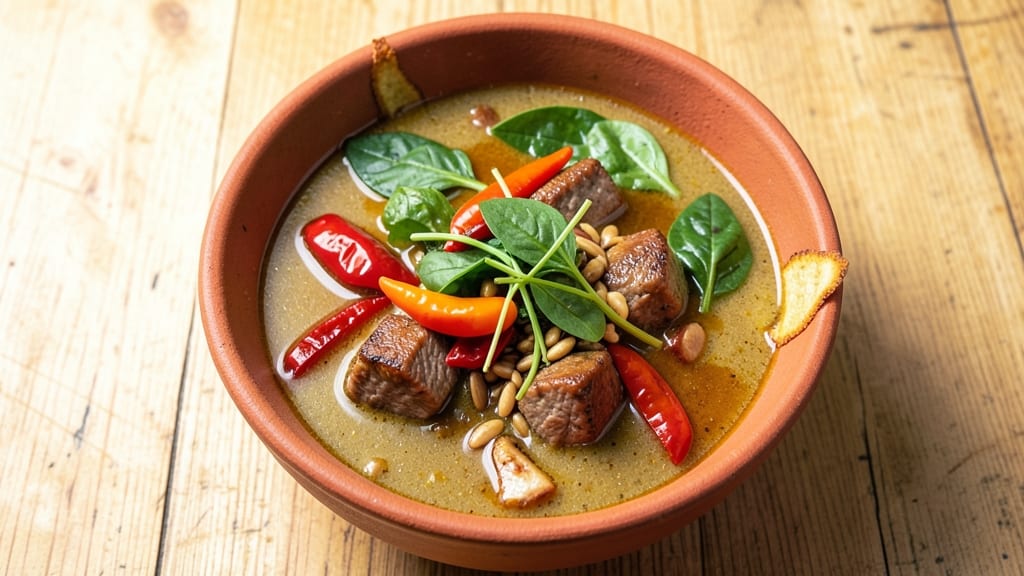
Mastering an authentic egusi soup recipe means capturing that rich, nutty depth that makes it a centerpiece of Nigerian dining.
Standing in my grandmother's kitchen in Sicily, I learned how blending textures and flavors transforms simple ingredients into something extraordinary—just as this soup does with its earthy egusi seeds and tender protein.
The key lies in balancing the soup's hearty base with just the right amount of palm oil and aromatic spices, creating a dish that's both comforting and complex.
This recipe delivers restaurant-quality results with a method designed for modern kitchens while staying true to tradition. You'll start by grinding fresh egusi seeds into a fine paste, then simmering them with leafy greens, onions, and peppers until the flavors meld into a thick, velvety broth.
The protein—whether it's goat meat, fish, or shrimp—cooks slowly to absorb all those nutty, savory notes, resulting in a dish that's deeply satisfying and full of character.
By the time you're done, you'll have a steaming pot of egusi soup with a rich, nutty aroma that fills the kitchen and a thick, flavorful broth that clings to every bite. The perfect pairing? Pounded yam, fufu, or rice to soak up every last drop of that delicious sauce.
What makes this recipe special is how it brings together tradition and accessibility, so you can enjoy Nigerian heartiness without sacrificing ease.
The beauty of egusi soup is its versatility—it works as a weeknight dinner or a special occasion dish, and the leftovers reheat beautifully. Whether you're cooking for family or treating yourself, this recipe delivers the kind of depth and satisfaction that makes it worth every minute.
Let's get started on creating something truly special.
Ingredients for egusi soup
Rich, nutty, and deeply satisfying—just like Nigerian grandma’s kitchen magic.
| Ingredient | Amount | Notes |
|---|---|---|
| Egusi Seeds (melon seeds) 🌰 | 2 cups | Soaked overnight for texture |
| Goat Meat (or chicken/fish) 🥩 | 2 lb | Cut into bite-sized pieces |
| Palm Oil 🫒 | ½ cup | For rich, nutty depth |
| Onions 🧅 | 3 whole | Yellow or red, chopped |
| Bell Peppers 🌶️ | 2 whole | Red or green, sliced |
| Scotch Bonnet Peppers 🌶️ | 2 whole | Seeds removed, chopped |
| Spinach Leaves 🥬 | 2 cups | Or bitter leaf (garnik) |
| Tomatoes 🍅 | 4 whole | Ripe, chopped |
| Garlic Cloves 🧄 | 6 cloves | Minced, aromatic base |
| Dried Fish (optional) 🐟 | ½ cup | For umami depth |
| Salt 🧂 | 1 tsp | Adjust to taste |
| Ground Black Pepper 🌶️ | ½ tsp | Freshly ground for aroma |
| Water 💧 | 8 cups | For simmering broth |
The egusi seeds are everything—look for dried melon seeds at African markets or specialty stores like World Market or Amazon. Soaking them overnight softens the texture, but if you're in a rush, just grind them dry first. The palm oil is non-negotiable for that authentic flavor—Red River brand is my go-to, but any good-quality palm oil will work. For the meat, goat gives the best depth, but chicken or fish work too. Just make sure it's cut into even pieces so it cooks through without drying out.
No goat meat? Chicken thighs are a great swap—they stay juicier during simmering. Want extra umami? Add dried shrimp or stock cubes at the end. Short on Scotch bonnet peppers? Jalapeños or habaneros will work, but you’ll need to adjust the heat with less. Spinach can be fresh or frozen—just thaw it first if frozen. The tomatoes don’t have to be perfect; slightly bruised ones are perfect for blending into the broth. And if you’re avoiding palm oil, olive oil plus a dash of smoked paprika can mimic some of that richness.
This soup tastes even better the next day as the flavors meld. Store leftovers in an airtight container in the fridge for up to 5 days. For longer storage, freeze portions in glass jars or silicone bags—they reheat beautifully. I like to portion mine into small containers so I can grab a bowl for lunch. The palm oil solidifies when cold, so just swirl it gently to remelt when reheating. Trust me, the leftovers are worth every minute of prep.
Why You'll Love This Recipe
- No Prep Panic: Honestly, I used to dread making soups that required hours of prep, but this? I soak the egusi seeds overnight while I sleep—no stress. The rest is just chopping onions and peppers (which I do while watching TV), and the meat just gets cut into bite-sized pieces. The hardest part is resisting the first taste while it simmers.
- Rich, Nutty Depth: That palm oil? Chef’s kiss. It gives the soup this velvety richness that coats your tongue like a warm hug. The goat meat (or chicken/fish) soaks up all the nutty depth from the egusi seeds and the smoky kick from the Scotch bonnet peppers—it’s like a flavor explosion in every spoonful.
- Leftover Legend: I make this once a week and swear by leftovers. The soup thickens up beautifully over time, and the flavors get even deeper. I’ll reheat a pot for lunch the next day, or freeze half for a lazy night. Five days in the fridge? No problem—it tastes just as good the second time around.
- Budget-Friendly Feast: Two pounds of goat meat might sound like a lot, but it stretches so far—this feeds my whole family (and usually a neighbor or two). The egusi seeds are cheap, the palm oil goes a long way, and you can swap dried fish for something else if needed. For the price, you’re getting a restaurant-quality meal that’ll have everyone begging for seconds.
Step-by-step instructions for egusi soup
Here's how to craft this rich, nutty Nigerian classic with layers of flavor and satisfying texture.
Prepare the Egusi Seeds and Meat
Start by draining and rinsing the soaked 2 cups of egusi seeds (melon seeds) thoroughly under cold water. This removes any excess bitterness and prepares them for blending. In a food processor or blender, pulse the seeds until you achieve a coarse, gritty texture—think somewhere between flour and sand. Don't over-blend or you'll lose that essential nutty depth.
While the seeds process, cut the 2 lb of goat meat (or chicken/fish) into bite-sized pieces. I like to trim any large fat deposits first—they'll render out during cooking and make the soup richer. Place the meat in a bowl and set aside until ready to use.
Build the Flavor Base
Heat the 0.5 cup of palm oil in a large pot over medium heat. Add the chopped 3 whole onions and let them cook for 5 minutes until they soften and begin to caramelize slightly—that golden color means you're building flavor. Add the sliced 2 whole bell peppers and chopped 2 whole scotch bonnet peppers (remember to remove the seeds first), cooking for another 3 minutes until the peppers soften.
Stir in the minced 6 cloves of garlic cloves and cook for 30 seconds until fragrant. This is where the magic happens—the garlic should smell pungent and inviting, not burnt. If using the optional 0.5 cup of dried fish, add it now and let it crisp slightly in the oil before moving to the next step.
Simmer the Broth
Pour in the 8 cups of water and bring the mixture to a boil. Add the chopped 4 whole tomatoes and the processed egusi seeds, stirring constantly to prevent the seeds from sticking to the bottom of the pot. Once boiling, reduce heat to medium-low and let it simmer uncovered for 15 minutes. This allows the flavors to meld and the egusi to develop its characteristic nutty taste.
After 15 minutes, add the meat pieces and the 1 tsp of salt. The broth should be bubbling gently—if it's too vigorous, reduce the heat slightly. Let it cook for another 20 minutes, stirring occasionally. You'll notice the meat becoming tender and the soup thickening slightly as the egusi releases its starch.
Finish with Spinach and Season
Stir in the 2 cups of spinach leaves and cook for 5 minutes until wilted. The spinach should disappear into the soup, adding a vibrant green color and earthy flavor. Sprinkle in the 0.5 tsp of ground black pepper and give it one final stir. Taste and adjust the seasoning—you might need a bit more salt depending on your preference.
Remove from heat and let the soup rest for 10 minutes. This allows the flavors to settle and the soup to thicken slightly. The final texture should be rich and velvety with a beautiful green hue from the spinach. Serve immediately with a side of pounded yam or garri for the full Nigerian experience.
Pro Tips For Making Egusi Soup
- Don’t Over-Blend the Egusi: I learned this the hard way—blending the soaked 2 cups of egusi seeds into a fine powder kills their nutty depth. Pulse until it’s coarse, like wet sand, not smooth. You want texture, not flour.
- Salt the Meat Early: Toss the 2 lb goat meat (or chicken/fish) with half the 1 tsp salt before it hits the pot. This keeps it tender and prevents it from turning rubbery while simmering for 20 minutes.
- Watch the Dried Fish: If using the 0.5 cup dried fish, fry it in the palm oil until it’s crisp and golden—not just wilted. That extra crunch adds umami that softens into the broth. Skip this, and your soup tastes flat.
- Rest the Soup Like a Pro: The 10-minute rest after cooking isn’t optional. Let the soup sit off heat—it thickens as the egusi starch settles, and the flavors actually meld. Skimp here, and it’ll taste rushed.
Dietary considerations for this recipe
Gluten-Free Friendly
This egusi soup is naturally gluten-free, making it perfect for those avoiding wheat or gluten-containing ingredients. The egusi seeds and vegetables form the base, while the palm oil and spices add depth without any hidden gluten.
Just be mindful of any optional ingredients like dried fish or stock cubes—always check labels for gluten-free certification. I always opt for plain dried shrimp from my local Asian market to keep it safe. 🌱
Vegetarian Adaptation
For a vegetarian version, swap the goat meat for chickpeas or tofu—both absorb flavors beautifully. I like to use firm tofu cut into cubes and simmered alongside the seeds.
Add extra mushrooms for umami depth, and a splash of soy sauce (ensure it's gluten-free if needed). The texture remains rich and satisfying without any meat. 💛
Dairy-Free & Egg-Free
This recipe is already dairy-free and egg-free by default, which is great for those with lactose intolerance or egg allergies. The palm oil and vegetable-based ingredients ensure no dairy cross-contamination. If using dried fish, check for any hidden dairy additives, but most brands are safe.
The soup’s natural creaminess comes from the egusi seeds and spinach, so no substitutions are needed. ✨
Lower-Sodium Options
Since this soup relies heavily on natural flavors, reducing salt is easier than you might think. Start with ½ tsp of salt instead of the full 1 tsp and taste as you go. The Scotch bonnet peppers and garlic will provide plenty of depth.
For extra umami, add 1 tbsp soy sauce (gluten-free if needed) at the end—it’s a great way to boost flavor without extra sodium. Trust me, the soup will still sing! 💫
Kid-Friendly Tweaks
If you’re cooking for kids, reduce the heat by removing seeds from the Scotch bonnet peppers and using milder jalapeños instead. Skip the dried fish entirely and add extra spinach for a milder taste.
Kids often love the nutty texture of egusi, so this version keeps the soul of the dish while being gentle on little palates. 👶
Nutrition facts
Frequently asked questions
Why does egusi soup need to be soaked overnight?
Soaking the 2 cups of egusi seeds overnight softens them and removes excess bitterness, making them easier to blend into that perfect coarse, gritty texture. Without soaking, the seeds can be tough and leave a bitter aftertaste—trust me, the extra step is worth it for that authentic nutty depth!
Can I use chicken instead of goat meat?
Chicken works beautifully—just use 2 lb of thighs or drumsticks, which stay juicier during the 20 minutes of simmering. The texture will be slightly different, but the flavors still meld perfectly with the egusi and vegetables.
How do I adjust the spice level?
For milder heat, remove seeds from the 2 whole Scotch bonnet peppers and use jalapeños instead. If you love spice, keep the seeds in and add an extra ½ tsp of ground black pepper at the end. The palm oil base also adds warmth, so taste as you go!
What’s the best way to thicken egusi soup?
The soup naturally thickens as the egusi seeds simmer for 15-20 minutes, but if it’s too thin, stir in a spoonful of the blended seeds or a splash of palm oil to bind it. Avoid adding flour—it disrupts the authentic texture!
Can I make this soup ahead of time?
Yes! The soup tastes even better the next day as flavors deepen. Store leftovers in an airtight container in the fridge for up to 5 days. Reheat gently on medium-low heat, stirring occasionally, and swirl to remelt the palm oil.