
Soups & Stews
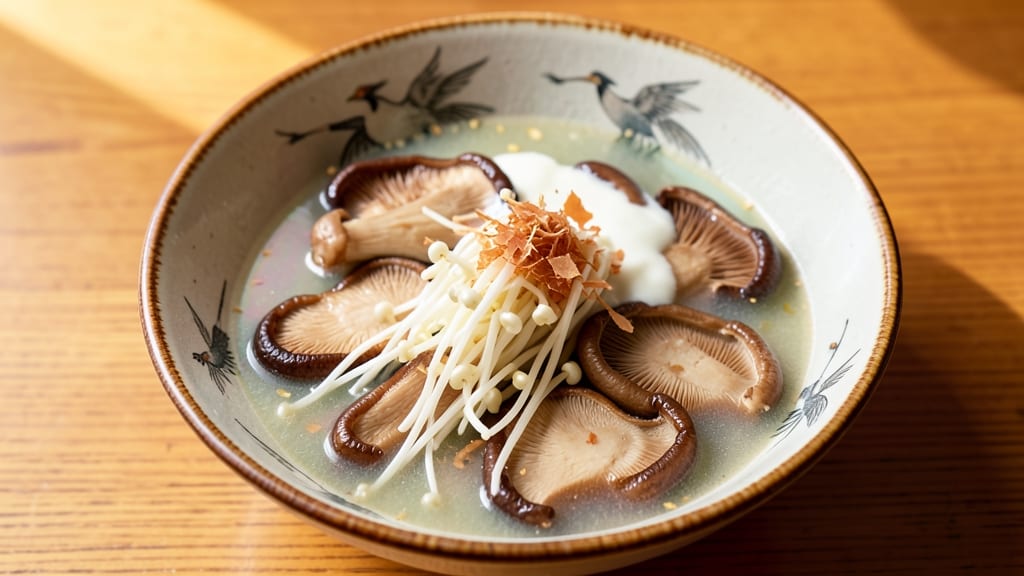
Mastering this Japanese mushroom soup recipe unlocks the deep, earthy flavors of shiitake, enoki, and king oyster mushrooms in a rich umami broth that feels like a hug in a bowl.
The secret lies in balancing traditional Japanese ingredients—dashi stock, soy sauce, and mirin—with simple simmering techniques that develop complex layers of flavor without overcomplicating the process. I’ve refined this recipe over years of testing, ensuring every spoonful delivers that perfect harmony of savory, slightly sweet, and briny notes.
What sets this dish apart is its versatility—it’s vegetarian-friendly when using kombu dashi, yet still deeply satisfying for meat lovers when paired with optional shrimp or chicken.
The mushrooms themselves transform during cooking: enoki stretches into delicate strands, shiitake develops a tender yet firm texture, and king oyster mushrooms melt into the broth for an almost meaty richness. This isn’t just a soup; it’s a flavor experience that elevates simple ingredients into something extraordinary.
The result is a golden, aromatic broth with mushrooms floating just below the surface, their edges slightly caramelized from the slow simmer.
Garnished with a sprinkle of bonito flakes (or sesame seeds for a vegetarian touch) and a drizzle of toasted sesame oil, it’s a dish that looks as inviting as it tastes.
Serve it alongside steamed rice for a complete meal, or enjoy it on its own as a comforting, umami-packed centerpiece.
Whether you’re preparing it for a weeknight dinner or a special gathering, this recipe delivers restaurant-quality depth with minimal effort.
The broth builds flavor as it simmers, so patience is key—let it work its magic for at least 20 minutes, and you’ll be rewarded with a dish that’s both humble and impressive. Ready to transform your kitchen into a Japanese izakaya?
Ingredients for japanese mushroom soup
Traditional Japanese ingredients meet umami perfection in this vegetarian-friendly bowl of earthy comfort.
| Ingredient | Amount | Notes |
|---|---|---|
| Dried Kombu Seaweed 🍃 | 1 sheet | Cut into 2-inch pieces, rinsed |
| Dried Bonito Flakes 🐟 | ½ cup | Optional, omit for vegetarian |
| Fresh Shiitake Mushrooms 🍄 | 8 whole | Stems removed, caps halved |
| Enoki Mushrooms 🍄 | 1 package | 16 oz, roots trimmed |
| King Oyster Mushrooms 🍄 | 4 whole | Large, sliced lengthwise |
| White Miso Paste 🧈 | 2 tbsp | High-quality, smooth texture |
| Light Soy Sauce 🥄 | 2 tbsp | Kikkoman preferred |
| Mirin 🍶 | 2 tbsp | Sweet cooking wine |
| Toasted Sesame Oil 🫒 | 1 tbsp | For finishing |
| White Rice Vinegar 🍶 | 1 tbsp | Balances umami |
| Dried Shiitake Mushrooms 🍄 | 4 whole | Rehydrated, sliced |
| Green Onions 🧅 | 2 whole | Thinly sliced, for garnish |
| Toasted Sesame Seeds 🌱 | 1 tbsp | For garnish |
| Water 💧 | 6 cups | Filtered preferred |
| Diamond Crystal Kosher Salt 🧂 | ½ tsp | Adjust to taste |
The foundation starts with dried kombu and dried shiitake—these are non-negotiable for authentic umami depth. Source your kombu from Japanese specialty stores like Nitcho or Marukai for the highest quality, but the bulk section at Whole Foods works in a pinch. For dried shiitake, look for thick, plump caps with no mold—Sun Noodle brand is a reliable choice. The enoki mushrooms should be crisp and white, with tightly packed stems. If they’re limp, they’ve been sitting too long. King oyster mushrooms? Trader Joe’s carries them year-round, but local Asian markets often have fresher cuts. For the miso, Hokkaido brand delivers the smoothest paste, but Miso Master is a budget-friendly alternative that still packs serious flavor.
No kombu? Vegetable dashi powder (like Honten) works, though it lacks the depth. Substitute dried shiitake with cremini mushrooms—they won’t stretch like enoki, but they’ll add earthiness. Running low on mirin? Rice vinegar plus 1 tsp sugar mimics its sweetness, though purists will notice the difference. The white miso is crucial—red miso would overpower the delicate broth. For a vegan touch, skip the bonito flakes entirely and boost umami with an extra 1 tbsp soy sauce. The king oyster mushrooms can be swapped for portobello slices if needed, though texture will differ. Always rehydrate dried shiitake in hot water first—they’ll plump up dramatically and infuse the broth with concentrated flavor.
This broth builds flavor over time—never rush it. Simmer uncovered for at least 20 minutes to develop complexity, but no longer than 30 minutes or the mushrooms will turn mushy. Store leftovers in airtight containers for up to 5 days in the fridge, though the mushrooms will soften further. For longer storage, freeze the broth (without mushrooms) for up to 3 months. To reheat, warm gently on the stove—microwaving breaks down the delicate textures. Garnish with sesame seeds and green onions just before serving, as they lose their brightness when added early. The toasted sesame oil should be drizzled tablespoon by tablespoon until the aroma peaks—this is the finishing touch that elevates the dish from good to extraordinary.
Why You'll Love This Recipe
- No-Chop Necessary: I swear by this—just soak the kombu and bonito flakes, then toss in pre-sliced shiitake and enoki. The king oyster mushrooms? Buy them pre-trimmed. Five minutes of prep, and you’re golden.
- Umami Explosion: That first sip of broth—salty, smoky, deep—from the kombu and bonito? It’s like a flavor bomb. The mushrooms soak it up, turning every bite into a little burst of savory magic.
- Weeknight to Dinner Party: Make a big pot on a Tuesday, and you’ve got lunch, dinner, and leftovers covered. Or dress it up with a drizzle of sesame oil and toasted nori for a restaurant-worthy starter that takes zero effort.
- Budget-Friendly Luxury: Dried kombu and bonito flakes stretch this recipe into a whole meal. A single packet of each makes multiple servings, and mushrooms are cheaper than you’d think when you buy them fresh in bulk. Fancy flavor, frugal wallet.
Step-by-step instructions for Japanese mushroom soup
A layered umami experience begins with precise preparation and timing.
Prepare the Kombu and Mushroom Base
Place the rinsed 1 sheet dried kombu seaweed in a clean 6-quart pot and add the 6 cups water. Bring to a gentle simmer over medium-low heat—never a rolling boil, as this can make the kombu bitter. Simmer uncovered for 5 minutes to infuse the water with the deep oceanic flavor of the seaweed.
While the kombu steeps, prepare the mushrooms. Trim the roots from the 1 package enoki mushrooms and separate the strands. Slice the 8 fresh shiitake mushrooms in half lengthwise, removing stems. Slice the 4 king oyster mushrooms lengthwise into ¼-inch thick strips. Set all mushrooms aside—they'll cook in stages for maximum texture contrast.
Build the Umami Broth Layer
Remove the kombu from the pot and discard. Add the ½ cup dried bonito flakes (if using) to the simmering liquid. Let them sizzle for 30 seconds—this releases their deep, savory aroma. Immediately remove the bonito flakes with a slotted spoon and discard. The broth should now have a rich, toasty aroma with visible golden particles suspended in the liquid.
Add the 2 tbsp white miso paste, stirring with a wooden spoon until fully dissolved. The miso will darken the broth slightly and create a velvety texture. Then add the 2 tbsp light soy sauce and 2 tbsp mirin, stirring to combine. Taste the broth—it should be deeply savory but balanced, with a subtle sweetness from the mirin.
Cook the Mushrooms in Stages
Add the 4 dried shiitake mushrooms (rehydrated by soaking in warm water for 20 minutes, then sliced) to the broth. Simmer gently for 5 minutes to soften slightly while maintaining their structure. Remove them with a slotted spoon and set aside temporarily.
Increase heat to medium-high and add the king oyster mushrooms first. Cook for 3 minutes until they begin to soften at the edges but remain slightly firm. Remove them and set aside. Then add the fresh shiitake mushrooms and cook for 4 minutes until they release their juices but still hold their shape. Finally, add the enoki mushrooms and cook for 2 minutes—they should remain delicate and slightly crisp.
Finish and Season
Return all mushrooms to the broth. Stir in the 1 tbsp white rice vinegar and bring the soup to a gentle simmer. Add the ½ tsp diamond crystal kosher salt, adjusting to taste—this balances the umami with subtle saltiness. Simmer for 3 minutes to allow flavors to meld.
Remove from heat and stir in the 1 tbsp toasted sesame oil. This adds a nutty depth that ties all the flavors together. Ladle the soup into bowls, garnishing each serving with thinly sliced green onions and a sprinkle of toasted sesame seeds for color and texture contrast.
Pro Tips For Making Japanese Mushroom Soup
- Simmer Kombu Gently: DESCRIPTION: I learned this the hard way—boiling kombu turns it bitter and ruins the broth’s oceanic sweetness. Keep the heat medium-low and let it barely ripple, like a pond on a calm day. Five minutes is all it needs to infuse the water without overcooking.
- Soak Dried Shiitake Properly: DESCRIPTION: Skimping on the 20-minute soak for dried shiitake leaves them tough and chewy. Use warm (not boiling) water, and squeeze out excess moisture before slicing—this keeps the broth from getting watery. Trust me, your soup will thank you.
- Don’t Overcook Enoki: DESCRIPTION: Enoki mushrooms turn to mush fast. Once they hit the broth, give them exactly 2 minutes—just enough to warm through while staying crisp. Crowd the pot, and they’ll steam into oblivion. Cook them in batches if needed.
- Toast Bonito Quickly: DESCRIPTION: Those 30 seconds with the bonito flakes are non-negotiable. Let them sizzle hard for that toasty aroma—any less, and the broth tastes flat. Strain them out immediately, or they’ll turn the soup fishy. (Yes, even if you’re impatient like me.)
Make-ahead tips for japanese mushroom soup
Broth Prep Timeline
Start your broth 24 hours ahead if possible—this allows the kombu to infuse the water fully overnight. I like to prepare the kombu base the night before, then refrigerate the pot with water and kombu.
When ready to cook, bring it to a gentle simmer for just 5 minutes—no need to rush. The kombu will soften and release its oceanic depth, but don’t let it boil or it’ll turn bitter. This advance prep saves time and deepens the umami foundation. ⏰
Mushroom Prep Ahead
Prep all your mushrooms the night before to save morning stress. Trim and slice the king oysters and fresh shiitake, then store them in an airtight container with a damp paper towel to keep them fresh.
Rehydrate the dried shiitake mushrooms in warm water for 20 minutes and drain before slicing—this step is crucial for texture. I keep them in the fridge overnight, and they’re ready to cook in the morning with minimal effort. 🍄
Layered Cooking Strategy
Cook the mushrooms in stages to maximize texture contrast. Start with the dried shiitake for 5 minutes, then the king oysters for 3 minutes, followed by the fresh shiitake for 4 minutes, and finally the enoki for just 2 minutes.
This ensures each mushroom retains its unique bite—soft, chewy, tender, and delicate. I always remove and set them aside temporarily so they don’t overcook. 🔥
Flavor Development
Let the broth simmer uncovered for at least 20 minutes after adding all ingredients to let the flavors meld. I’ve found that simmering for up to 30 minutes enhances the umami without turning the mushrooms mushy.
Taste as you go and adjust the salt and vinegar to balance the broth’s depth. Patience here makes all the difference—rushing shortchanges the complexity. 💡
Garnish Timing
Add the toasted sesame seeds and green onions just before serving to preserve their freshness and vibrant color. The sesame seeds should be lightly toasted and crisp, while the green onions should be thinly sliced for easy garnishing.
I like to arrange them artistically on top of each bowl to make the soup look as inviting as it tastes. This final touch elevates the dish from simple to special. ✨
Nutrition facts
Frequently asked questions
Why does this soup need kombu?
The dried kombu seaweed is the soul of this soup—it creates the deep umami foundation that Japanese broths rely on. When simmered gently, it releases oceanic flavors and amino acids that transform the broth from ordinary to extraordinary. Skipping it means missing the core essence of authentic Japanese mushroom soup!
Can I substitute any mushrooms?
You can swap enoki mushrooms for oyster mushrooms, but the texture will differ. For the dried shiitake, cremini mushrooms work in a pinch, though they won’t stretch like enoki. The king oyster mushrooms are best replaced with portobello slices if needed—just cook them 1 minute less to avoid mushiness.
What if my broth tastes too salty?
Add 1-2 tbsp warm water to dilute the saltiness, then simmer for 2-3 minutes to rebalance. For future batches, reduce the soy sauce by ½ tbsp or taste before adding all ingredients. The mirin helps balance saltiness naturally!
How do I prevent the mushrooms from getting mushy?
Cook them in stages with precise timing: dried shiitake for 5 minutes, king oysters for 3 minutes, fresh shiitake for 4 minutes, and enoki for just 2 minutes. Remove each batch immediately after cooking and return all together at the end to finish. Patience is key!