
Soups & Stews
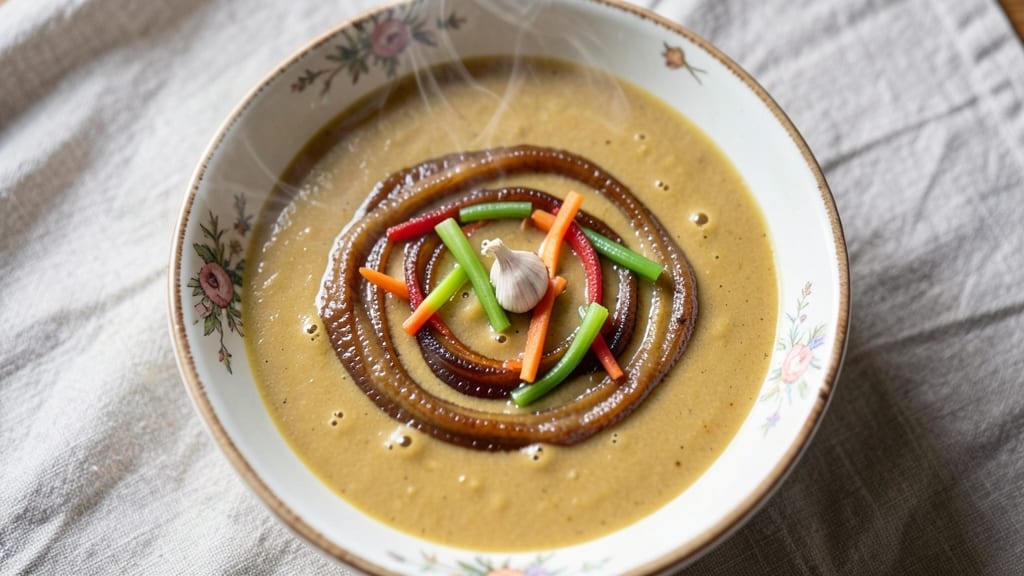
Creating a puree soup recipe with that signature velvety texture requires patience and a few key techniques—roasting vegetables first for depth, blending thoroughly, and adjusting the liquid-to-ingredient ratio. This method transforms simple vegetables into a restaurant-quality starter or main course that’s smooth, rich, and completely adaptable to dietary needs.
The foundation starts with roasting vegetables like carrots, celery, and onions until caramelized, which builds natural sweetness and complexity before blending. Potatoes or cauliflower act as natural thickeners, while broth provides the liquid base.
The blending process is critical—using an immersion blender ensures no lumps, while a high-speed blender creates that ultra-silky finish.
What you’ll end up with is a soup so smooth it practically melts on the tongue, with a consistency that’s neither too thin nor gluey.
The roasted flavor profile shines through, making it versatile enough for any season—pair it with crusty bread, a drizzle of olive oil, or fresh herbs for garnish. This recipe delivers professional results without requiring advanced skills.
Whether you’re serving it as a light appetizer or a hearty meal, the key lies in balancing ingredients and blending techniques. The method works equally well for vegetarian, vegan, or omnivore versions—just adjust the broth and protein choices. Let’s get started on creating that perfect velvety texture.
Ingredients for puree soup
Roasted vegetables, broth, and a touch of cream create this velvety puree soup with restaurant-quality texture.
| Ingredient | Amount | Notes |
|---|---|---|
| Yellow Onions 🧅 | 1 whole | Cut into 1-inch chunks |
| Carrots 🥕 | 4 medium | Peeled, cut into 1-inch pieces |
| Celery Stalks 🧄 | 3 whole | Trimmed, cut into 1-inch pieces |
| Russet Potatoes 🥔 | 1 ½ lb | Peeled, cut into 1-inch cubes |
| Garlic Cloves 🧄 | 4 cloves | Peeled, left whole for roasting |
| Vegetable Oil 🫒 | 2 tbsp | High smoke point preferred |
| Chicken Broth 💧 | 4 cups | Low-sodium preferred |
| Heavy Cream 🥛 | ½ cup | Full-fat for best texture |
| Extra-Virgin Olive Oil 🫒 | 1 tbsp | For finishing drizzle |
| Fresh Thyme Leaves 🌿 | ¼ cup | Chopped, for garnish |
| Salt 🧂 | 1 ½ tsp | Adjust to taste |
| Black Pepper 🌶️ | ½ tsp | Freshly ground |
| Crusty Bread 🍞 | 4 slices | For serving |
The vegetables are the soul of this soup—yellow onions, carrots, and celery roasted until caramelized develop deep, sweet notes that blend seamlessly. Russet potatoes provide natural thickening without altering the flavor. For the best results, shop for fresh, firm vegetables with vibrant colors—avoid any with soft spots or wilting. Whole Foods or local farmers' markets are ideal for sourcing these ingredients at peak freshness. The garlic cloves should be plump and firm, not shriveled or sprouting, as they'll infuse the soup with aromatic depth during roasting.
No heavy cream on hand? Coconut cream or Greek yogurt work as excellent substitutes, though the texture will differ slightly. Short on broth? Low-sodium vegetable or mushroom broth maintains the same velvety consistency. For a vegan version, replace the heavy cream with cashew cream or silken tofu blended with water. The extra-virgin olive oil should be fruity and peppery—avoid the cheap, bland supermarket brands. If you're roasting a large batch, spread the vegetables on a single layer to ensure even caramelization, which takes about 30-40 minutes at 400°F. The fresh thyme can be swapped for dried at one-third the amount, but fresh imparts a brighter, more vibrant flavor.
This soup reheats beautifully—simmer gently on the stove or warm in the microwave for 1-2 minutes until just hot. Store leftovers in an airtight container for up to 5 days in the refrigerator, or freeze for up to 3 months by portioning into individual containers. The crusty bread pairs perfectly and should be toasted just before serving to maintain its crispness. For a garnish that elevates the dish, drizzle with a touch of extra-virgin olive oil and a sprinkle of fresh thyme right before serving. The soup's texture improves as it sits, so making it ahead of time is highly recommended.
Why You'll Love This Recipe
- One-Pot Magic: Honestly, this is the kind of recipe where I can throw everything in one pot and walk away—no extra pans, no mess. The russet potatoes and carrots cook down so effortlessly, and the immersion blender turns it all into silky perfection without the fuss of transferring bowls. Even my least patient mornings can handle this.
- Creamy Crowd-Pleaser: That half cup of heavy cream makes this soup dangerously good—rich but not heavy, with just enough velvety texture to make you go back for seconds. The garlic and thyme? They’re the secret weapons here, giving it that warm, aromatic depth that feels like a hug in a bowl. My picky eater actually asks for seconds.
- Leftover Hero: I make this on Sundays, and by Wednesday, I’ve got a freezer full of portions. It reheats beautifully—just add a splash of water if it gets too thick—and pairs perfectly with a quick salad or a slice of crusty bread. Budget-friendly? Absolutely. My wallet and my taste buds both thank me.
- Weeknight Game-Changer: Between work and errands, I don’t always have time for fancy meals—but this? Takes 30 minutes max. The potatoes soften just right, the broth infuses all the flavor, and the immersion blender does the heavy lifting. It’s the kind of dish that feels like a treat, even on a Tuesday night.
Step-by-step instructions for velvety puree soup
Master this technique and you'll achieve a restaurant-quality puree every time—silky, smooth, and completely free of lumps.
Sauté the Vegetable Base
Heat the 2 tablespoons vegetable oil in a large pot over medium heat. Add the 1 yellow onion, 4 medium carrots, and 3 celery stalks (all cut as specified). Cook for 8-10 minutes, stirring occasionally, until the vegetables soften and the onion becomes translucent. This foundational step develops flavor through the Maillard reaction—don't rush it.
Add the 4 cloves garlic cloves and continue cooking for 1 minute until fragrant. The garlic should sizzle gently without browning. Here's the thing—if it smells too strong, you're overcooking. Remove from heat immediately if it darkens. This aromatic base will carry through your entire puree, so precision matters.
Simmer with Potatoes and Broth
Add the 1½ lb russet potatoes (cut as specified) to the pot. Pour in the 4 cups chicken broth and bring to a boil. Once boiling, reduce heat to medium-low and let it simmer uncovered for 20-25 minutes, until the potatoes are fork-tender and collapse easily when pierced. The potatoes should be soft enough to mash with minimal resistance—this ensures a smooth puree later.
Season with the 1½ teaspoons salt and ½ teaspoon black pepper during the last 5 minutes of cooking. This timing allows the flavors to fully penetrate the vegetables. If the broth reduces too much before the potatoes soften, add ¼ cup water to maintain proper consistency. The liquid level should cover the vegetables by about ½ inch—this prevents burning.
Puree to Perfection
Using an immersion blender, puree the soup directly in the pot until completely smooth. Work in batches if needed, pressing the blender against the sides to ensure no chunks remain. For a truly velvety texture, strain the puree through a fine-mesh sieve if you prefer absolute smoothness—though the immersion blender should handle it well with proper technique.
Return the puree to the pot and stir in the ½ cup heavy cream. Simmer gently for 5 minutes to infuse the cream's richness without curdling. The soup should now have a luxurious, almost custard-like consistency. Taste and adjust seasoning—this is your final opportunity to balance flavors before serving.
Finish and Serve
Remove the pot from heat and stir in the 1 tablespoon extra-virgin olive oil and ¼ cup chopped fresh thyme leaves. The olive oil adds a subtle richness while the thyme brings bright herbal notes. Let the soup sit covered for 5 minutes to allow the thyme to release its aroma—this resting period enhances the overall flavor profile.
Ladle the puree into bowls and serve immediately with the 4 slices crusty bread on the side. The bread's texture contrasts beautifully with the soup's silky mouthfeel, creating the perfect balance. For an elevated presentation, drizzle each serving with an additional 1 tablespoon extra-virgin olive oil just before serving.
Pro Tips For Making Puree Soup
- Cut Potatoes Evenly: Russets vary in density—some spots cook faster than others. Spend the extra 2 minutes trimming off any uneven edges or bumpy bits before cubing. I learned this the hard way when my first batch had a few stubborn, undercooked chunks that ruined the puree’s silkiness.
- Salt the Potatoes: Toss the peeled russet cubes with a pinch of salt (about ¼ teaspoon) right after cutting. This draws out excess starch and prevents the puree from turning gluey later. Trust me, your future self will notice the difference when blending.
- Don’t Overblend Cream: When stirring in the heavy cream, keep the heat low and avoid letting it boil. After 5 minutes of simmering, test a spoonful—if it looks curdled or grainy, you’ve pushed it too far. A few seconds of extra gentleness keeps the texture velvety, not clumpy.
- Roast the Garlic First: Skip the sauté step entirely and roast the 4 garlic cloves at 400°F (200°C) for 8–10 minutes until soft and golden. Mash them into the pot after sautéing the onion-carrot-celery base. The depth of flavor is night-and-day—sounds weird, but it works.
Make-ahead tips for leftovers
Prep Ahead Like a Pro
I prep all my vegetables the night before—chopping the 1 yellow onion, 4 carrots, and 3 celery stalks into 1-inch pieces and storing them in a sealed container with a damp paper towel.
This keeps them fresh and ready to sauté the next day, saving me 20 minutes of chopping during the actual cooking process. 💡
Roast Vegetables in Batches
Roasting the 1.5 lb russet potatoes and 4 garlic cloves ahead of time is a game-changer. Spread them on a baking sheet, roast at 400°F for 30-40 minutes, then store in an airtight container.
When you're ready to cook, simply add them to the pot with the sautéed vegetables and broth. This method ensures even caramelization and saves you from last-minute oven time.
Make the Broth Work for You
Prepare the 4 cups low-sodium chicken broth ahead and chill it overnight. Cold broth blends more smoothly and helps control the final soup temperature when you add it back. I keep it in a glass jar with a tight lid in my fridge, ready to use.
This step also lets you taste and adjust the seasoning before blending, ensuring perfect flavor balance.
Blend and Freeze Portions
After blending the soup to perfection, divide it into 1-cup portions in freezer-safe containers. Freezing the puree in individual servings makes reheating effortless—just thaw overnight in the fridge and heat on the stovetop. This way, you always have a ready-to-serve meal, and the texture stays silky smooth. ❄️
Prep Garnishes in Advance
Chop the ¼ cup fresh thyme leaves and store them in a small container with a sprinkle of water to keep them fresh. Toast the 4 slices crusty bread and store them in a paper bag at room temperature.
Having these ready means you can focus on the final touches—like adding the extra-virgin olive oil drizzle—right before serving for maximum freshness.
Nutrition facts
Frequently asked questions
Why does my puree soup sometimes have lumps even after blending?
Lumps often happen when potatoes aren't fully soft before blending or when you skip pressing the immersion blender against the pot's sides. For the smoothest texture, ensure potatoes are fork-tender and blend directly in the pot, scraping the bottom and sides repeatedly. If needed, strain through a fine-mesh sieve for restaurant-quality silkiness.
Can I make this soup ahead of time?
The soup improves with time—make it up to 3 days ahead and refrigerate. For freezing, portion into airtight containers for up to 3 months. Reheat gently on the stove, adding a splash of water if needed to restore creaminess. The texture stays velvety when thawed properly.
What's the best way to adjust the soup's thickness?
For a thicker puree, simmer uncovered for 5-10 minutes longer to evaporate excess liquid. For a thinner consistency, stir in ¼ cup warm water or broth at a time until desired. The ½ cup heavy cream also adds richness—reduce slightly if you prefer lighter texture.
Are there vegetarian or vegan substitutions?
Swap chicken broth for vegetable or mushroom broth. Replace heavy cream with coconut cream or cashew cream for a vegan version. The potatoes and vegetables work perfectly in both versions—just adjust seasoning to balance flavors. The texture remains luxurious either way!