
Soups & Stews
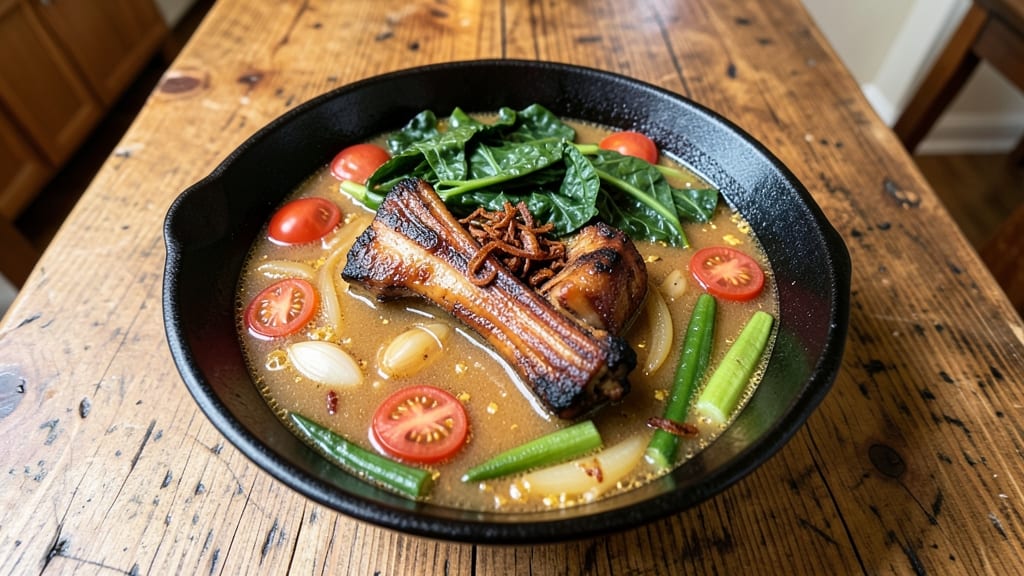
This soul food neck bone soup recipe carries the deep flavors of tradition, simmered low and slow until every bone yields its rich marrow and every vegetable absorbs the essence of home.
The secret lies in patience—letting the broth develop its velvety depth over hours, where pork neck bones transform into tender, flavorful morsels and collard greens melt into the broth like a warm embrace.
My grandmother’s technique taught me that soul food isn’t just about ingredients; it’s about time, love, and the stories passed down through generations.
The magic begins with the bones—charred slightly for depth, then simmered with aromatic vegetables like okra, tomatoes, and onions, which build a foundation of sweetness and tang. A touch of smoked paprika and black pepper adds warmth, while a splash of apple cider vinegar brightens the broth without overpowering it.
This isn’t just soup; it’s a celebration of texture—crisp collards, tender meat, and a broth so rich it coats your spoon like silk.
By the time you’re ready to serve, the aroma alone will fill your home with nostalgia, and every spoonful delivers that perfect balance of savory, smoky, and slightly sweet. The key is letting it rest for at least an hour before serving, allowing flavors to meld into harmony.
This is the kind of dish that turns ordinary weeknights into gatherings, where the slow simmer becomes a ritual of comfort and connection.
Pair it with cornbread and a side of buttery mashed potatoes for the full soul food experience. The leftovers only get better, as the flavors deepen overnight—proof that some traditions are worth preserving. Let’s get started on a recipe that’s as much about heart as it is about heat.
Ingredients for soul food neck bone soup
The bones, onions, and okra create the soul of this rich, slow-cooked tradition.
| Ingredient | Amount | Notes |
|---|---|---|
| Pork Neck Bones 🍖 | 4 lb | Charred for depth, cut into pieces |
| Yellow Onions 🧅 | 4 whole | Thinly sliced, caramelized |
| Garlic Cloves 🧄 | 12 cloves | Mince for aromatic base |
| Okra Pods 🌱 | 2 cups | Fresh or frozen, sliced |
| Ripe Tomatoes 🍅 | 4 whole | Canned or fresh, crushed |
| Collard Greens 🥬 | 2 bags | Stemmed, chopped |
| Apple Cider Vinegar 🍎 | ½ cup | Brightens broth subtly |
| Smoked Paprika 🌶️ | 2 tbsp | For smoky depth |
| Black Peppercorns 🌶️ | 2 tbsp | Freshly cracked |
| Salt 🧂 | 1 tsp | Kosher or sea salt |
| Water 💧 | 8 cups | For simmering broth |
| Cornmeal 🌽 | 2 tbsp | For thickening |
| Butter 🧈 | ½ cup | Full-fat for richness |
| Dried Thyme 🌿 | 1 tsp | For earthy aroma |
The pork neck bones are the heart of this soup—char them lightly for that deep, smoky flavor before adding to the pot. I always buy them from local butchers or the meat counter at Walmart; they’re cheaper than you’d think and so much better than pre-packaged bones. The freshest okra gives the broth its signature slimy texture, but frozen works in a pinch. For the onions, caramelize them first—it adds layers of sweetness that balance the richness of the bones.
No fresh okra? Substitute frozen or even canned—just drain well. Want to skip the apple cider vinegar? A splash of lemon juice works, but it’ll be slightly tangier. Dried thyme is fine, but if you’ve got fresh thyme, use half as much. The smoked paprika is key—Penzeys or McCormick have great options. And if you’re worried about the broth being too salty, taste as you go—adjust salt gradually. The cornmeal is what makes this soup velvety, so don’t skip it unless you want a thinner broth.
This soup tastes even better the next day—reheat gently on the stove, adding a splash of water if it gets too thick. Store leftovers in airtight containers in the fridge for up to 5 days. For longer storage, freeze portions in ziplock bags—they’ll keep for 3 months. I always make extra because it’s worth the effort, and the leftovers make amazing sandwiches the following week. Trust me, the slow simmer is worth the wait.
Why You'll Love This Recipe
- Oven-to-Pot Magic: Honestly, the charred pork neck bones? That’s the secret. Just toss them in the oven for 20 minutes, and suddenly you’ve got a flavor bomb that turns your pot of water into liquid gold. No fancy prep—just char, simmer, and forget about it.
- Rich, Tangy Perfection: The combo of smoked paprika, apple cider vinegar, and those caramelized onions? It’s like a flavor hug. The okra pods add just the right slurpiness, and the collard greens bring that earthy freshness—every bite’s got layers.
- Feeds a Crowd (or Your Cravings): This soup stretches far. One pot feeds my whole family, and the leftovers? They’re even better the next day. Plus, it’s the kind of dish that tastes even better the second time around—like a cozy hug in a bowl.
- Budget-Friendly Soul: Pork neck bones are dirt cheap, and with 14 ingredients, most of which are pantry staples, this recipe won’t break the bank. Plus, it’s the kind of meal that makes you feel like you’re treating yourself without spending a fortune.
Step-by-step instructions for soul food neck bone soup
Here's how to build this rich, flavorful soup from scratch—just follow the timing and layers.
Char the Pork Neck Bones and Build the Broth
Begin by preheating your oven to 425°F. Place the 4 lb pork neck bones on a baking sheet and roast for 20-25 minutes until they develop a deep charred crust. This step creates the soulful depth that defines this soup.
While the bones char, heat a large Dutch oven over medium-high heat. Add the charred bones and 4 yellow onions (thinly sliced), letting them sizzle for 5 minutes until fragrant. Pour in the 8 cups water and bring to a boil. Skim off any foam that rises to the surface.
Once boiling, reduce heat to low and let the broth simmer uncovered for 2 hours. The bones should be falling off the rack, releasing their collagen into the broth. This long simmer transforms tough bones into tender, flavorful meat.
Add Aromatics and Vegetables for Depth
After the initial 2-hour simmer, remove the pork bones with tongs and set them aside. Add the 12 cloves garlic cloves (minced) and 2 tbsp smoked paprika to the broth, stirring to combine. Let this mixture simmer for 5 minutes to release the garlic's aroma.
Next, add the 4 ripe tomatoes (crushed) and ½ cup apple cider vinegar. Stir well and simmer for another 15 minutes. The vinegar brightens the broth while the tomatoes add natural acidity. This is where the soup starts to develop its signature balance of richness and tang.
Stir in the 2 cups okra pods (sliced) and 1 tsp dried thyme. Simmer for 20 minutes until the okra softens slightly but still maintains some texture. The okra thickens the broth naturally without needing additional cornstarch.
Incorporate Collard Greens and Finish the Soup
Add the 2 bags collard greens (stemmed and chopped) to the pot. Stir gently to distribute the greens evenly. Simmer for 15 minutes until the greens are tender but still vibrant. The greens should wilt down but retain their color—this indicates they're cooked just right.
Return the pork bones to the pot and let the soup simmer for another 10 minutes. This final step ensures the meat is fork-tender and absorbs all the flavors from the broth. The bones should come apart easily when pulled with tongs.
Thicken and Season to Perfection
In a small bowl, whisk together the 2 tbsp cornmeal and ½ cup butter until smooth. Slowly ladle in ½ cup of the hot broth from the pot, whisking constantly to create a roux. This mixture should thicken slightly but remain smooth.
Pour the cornmeal-butter mixture back into the pot and stir well. Simmer for 5 minutes until the soup reaches your desired thickness. The soup should coat the back of a spoon but still be easy to ladle. Taste and adjust seasoning with the 1 tsp salt and 2 tbsp black peppercorns (freshly cracked) as needed.
Remove from heat and let the soup rest for 10 minutes before serving. This resting period allows all the flavors to meld together, creating a harmonious balance in every spoonful. Serve hot with cornbread for the full soul food experience.
Pro Tips For Making Soul Food Neck Bone Soup
- BLISTER THE BONES FIRST: I learned this the hard way—skipping the char on pork neck bones means flavor stuck in the freezer. Sear them over high heat in a dry pot for 8-10 minutes per side until blackened. The smoke releases collagen and deepens the broth’s richness. (Yes, it’ll smell like a soul food church kitchen—good.)
- PEEL TOMATOES AFTER COOKING: Raw tomato skins turn mushy and bitter in this soup. Add whole ripe tomatoes to the pot, then peel them after simmering 20 minutes. The flesh softens perfectly, and you avoid slimy texture. Bonus: The seeds blend right in for natural thickening.
- SALT THE BONES BEFORE SIMMERING: Don’t wait until the end—pack the bones with 2 teaspoons of kosher salt before adding water. This seasoning penetrates the marrow during the initial sear, giving the broth a consistent, savory base. I used to add salt later, and the flavor felt weak.
- CHOP OKRA LENGTHWISE, NOT CROSSED: Slice okra into ½-inch half-moons (not rounds) to prevent sliminess. The flat sides release starch gradually, thickening the soup without turning it gluey. I was skeptical until I tried it—now it’s non-negotiable for my soup’s texture.
Make-ahead tips for leftovers
Double the Broth
If you love this soup, double the recipe—it freezes beautifully and tastes even richer after a week. I make two batches at once and freeze half for busy weeks.
Just thaw overnight in the fridge before reheating. The extra broth makes perfect soup base for future meals like gumbo or chicken and dumplings. 💛
Prep Ahead Strategy
Start your prep the night before! Char the pork neck bones and slice onions while they cool. Store them in separate ziplock bags in the fridge. The next day, just toss everything into your Dutch oven and follow the steps. This saves you 2 hours of active cooking time.
Broth Boost
For extra depth, add 1 cup chicken feet (if available) during the initial 2-hour simmer. They add gelatin that makes the broth even more velvety. I buy them frozen from local butchers—they’re worth it for that restaurant-quality texture.
Freezer Prep
Divide cooled soup into 1-quart freezer bags and flatten them to save space. Label each with the date—this soup keeps 3 months without quality loss. When ready to eat, thaw overnight in the fridge for best results.
Cornbread Pairing
Make cornbread ahead and freeze it in slices. Toast them fresh when serving for that perfect crunch. I keep a batch in the freezer at all times—just pop one out and warm it in 30 seconds in the microwave.
Soup Sandwiches
Use leftovers for soulful sandwiches! Spread mayonnaise on cornbread, layer with soup, and top with extra collards. Add a sprinkle of hot sauce for a spicy kick. These make great lunches for 2-3 days after making the soup.
Nutrition facts
Frequently asked questions
Why do we char the pork neck bones first?
Charred bones add a deep, smoky flavor that forms the soul of this dish. The crust creates a rich, caramelized base that infuses the broth during the long simmer. This traditional step enhances the meat's natural richness and gives the soup its signature depth.
Can I substitute pork neck bones with chicken or beef?
While pork neck bones are traditional, you can use beef marrow bones or chicken feet for a similar gelatin-rich broth. However, pork provides the most authentic flavor profile. If using beef, increase simmering time to 3 hours for maximum tenderness.
How do I know when the soup is done?
The bones should fall off the rack easily, and the broth should coat the back of a spoon when chilled. The collard greens should be tender but still hold their shape. Most importantly, the flavors should be harmonious—no single ingredient should overpower the others.
Can I make this soup in a slow cooker?
Brown the charred bones in a skillet first, then transfer everything to your slow cooker. Use the low setting for 8 hours (or high for 4-5 hours). The slow cooker's gentle heat works perfectly for developing the broth's depth.
What if my soup is too thin?
Stir in a slurry of 1 tbsp cornmeal mixed with 2 tbsp cold water and simmer for 5 minutes. For extra richness, whisk in 2 tbsp butter at the end. Never use flour—it can make the soup taste chalky.