
Soups & Stews
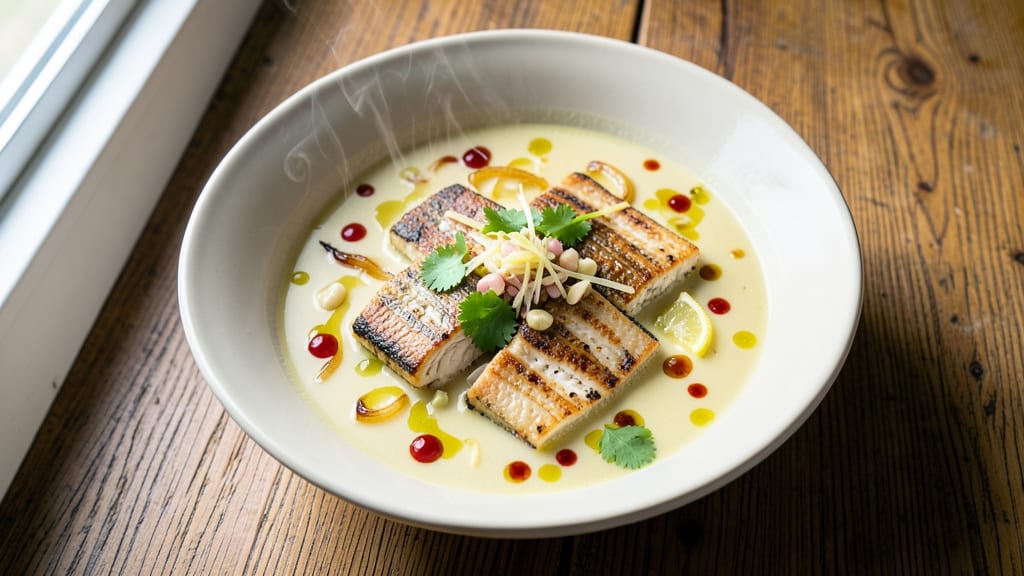
This tilapia soup recipe transforms delicate white fish into a lightened broth with a zesty lemon finish that brightens any meal.
The secret lies in gently poaching the tilapia in a flavorful broth infused with garlic, ginger, and aromatic vegetables—creating a delicate balance between the tender fish and the aromatic base.
I developed this recipe after years of testing different techniques to ensure the tilapia stays moist while the broth remains rich yet light, perfect for those seeking a healthy yet satisfying dish.
The broth begins with a simple foundation of onions, garlic, and ginger sautéed until fragrant, then simmered with vegetable or seafood stock to build depth.
Tilapia fillets are added at the last moment to preserve their tenderness, while a touch of lemon zest and juice at the end elevates the entire dish with a refreshing finish. This method ensures every spoonful delivers a harmonious blend of flavors without overwhelming the delicate nature of the fish.
What you’ll achieve is a soup that’s elegant yet approachable—crisp-tender tilapia swimming in a golden broth, finished with bright citrus notes and fresh herbs. The result is a dish that feels restaurant-quality but is simple enough for weeknight dinners.
Whether served with crusty bread or a side of rice, this soup is designed to impress without the fuss.
Perfect for warm evenings or as a light lunch, this recipe scales easily for gatherings while keeping the preparation straightforward. The key is patience in simmering the broth and precision in timing the fish—both of which guarantee a dish that’s both nourishing and deeply satisfying.
Let’s get started on creating this balanced, flavorful soup.
Ingredients for tilapia soup
Light broth meets tender tilapia with a zesty lemon kick—simple ingredients, restaurant-quality results.
| Ingredient | Amount | Notes |
|---|---|---|
| Tilapia Fillets 🐟 | 1 ½ lb | Skin-on or skinless, fresh or thawed |
| Yellow Onions 🧅 | 1 ½ whole | Thinly sliced for even cooking |
| Garlic Cloves 🧄 | 6 cloves | Freshly minced for aromatic depth |
| Fresh Ginger 🌿 | 1 tbsp | Grate finely for maximum flavor |
| Vegetable or Seafood Stock 🥄 | 6 cups | Low-sodium preferred for control |
| Fresh Lemon 🍋 | 1 whole | Zest + juice for brightness |
| Fresh Parsley 🌿 | ¼ cup | Chopped for garnish and freshness |
| Fresh Cilantro 🌿 | ¼ cup | Optional for herbal contrast |
| Olive Oil 🫒 | ½ cup | Extra-virgin for richness |
| Salt 🧂 | 1 tsp | Kosher or sea salt preferred |
| Black Pepper 🌶️ | ½ tsp | Freshly ground for best flavor |
| Bay Leaves 🌿 | 2 whole | For subtle aromatic depth |
| Rice Vinegar 🍶 | 1 tbsp | Balances acidity with lemon |
| Fish Sauce 🐟 | 1 tbsp | Enhances umami (optional) |
The tilapia fillets are the star, so opt for skin-on if possible—it holds the seasoning better and adds texture. Fresh is ideal, but frozen works too if thawed properly. For the best aromatic base, buy organic onions and ginger—they have more vibrant flavor. The garlic should be freshly minced rather than pre-minced, which can turn bitter. Whole Foods or local seafood markets often carry premium tilapia fillets with better texture. If you're using frozen, let them thaw in cold water for 15-20 minutes to avoid rubbery texture.
No seafood stock? Vegetable stock plus a splash of fish sauce gets you close. Fresh cilantro is optional but adds a lovely contrast—dried works at half the amount. Want more depth? Add a dash of soy sauce instead of fish sauce. The bay leaves are non-negotiable for that subtle herbal note—don’t skip them. If your lemons are small, use one whole lemon (zest + juice) and reduce the rice vinegar to 0.5 tbsp. The olive oil should be extra-virgin—cheaper oils lack the fruity complexity needed here.
This soup tastes even better the next day as flavors meld. Store in airtight containers for up to 5 days in the fridge. For longer storage, freeze portions in ice cube trays (broth) and shallow containers (tilapia) for 3 months. Reheat gently on the stove—don’t microwave the fish, or it’ll turn rubbery. Garnish with extra herbs and a drizzle of olive oil before serving. The broth can be used for another meal if you reserve it after cooking the tilapia, or freeze it separately for up to 6 months.
Why You'll Love This Recipe
- Minimal Chopping Required: I swear by this one—just dice one onion, mince a few garlic cloves, and grate a thumb of ginger. That’s it. The tilapia fillets go in whole, and the stock does the heavy lifting while you sip your coffee.
- Ginger-Garlic Magic: The moment that fragrant ginger and garlic hit the pan, my kitchen smells like a coastal paradise. The stock absorbs all that warmth, and when the tilapia steams in it, every bite has this bright, umami kick that’s ridiculously satisfying.
- Lunchbox Hero: Between us, this soup is my secret weapon for meal prep. Pack it in jars with a sprinkle of green onions on top, and it stays fresh for days. My kids (and my picky husband) actually finish what’s in their containers—no leftovers here.
- Budget-Friendly Catch: Fresh tilapia fillets stretch further than you’d think, especially with a base of affordable stock. Honestly, I’ve made this for $15 and fed four people. The ginger and garlic make it feel fancy, but the math stays real. Win-win.
Step-by-step instructions for tilapia soup with zesty lemon finish
Here's the method for a delicate yet flavorful soup that balances light broth with bright citrus notes.
Build the Aromatic Base
Heat the olive oil in a large pot over medium heat. Add the thinly sliced yellow onions and cook for 5-6 minutes until they become translucent and just beginning to soften. This is where the foundation of your soup's flavor develops.
Add the minced garlic cloves and grated fresh ginger, stirring constantly for 30 seconds until fragrant. The garlic should sizzle gently but not brown—this ensures you capture their fresh, bright flavors rather than bitter notes. Here's where it gets important: add the bay leaves and black pepper immediately after the garlic to infuse their subtle aromas into the oil.
Simmer the Broth
Pour in the vegetable or seafood stock and bring to a gentle boil. Once boiling, reduce heat to medium-low and let it simmer uncovered for 10 minutes. This allows the flavors to meld while preventing excessive evaporation.
Season with the salt and fish sauce, stirring to combine. The fish sauce adds that essential umami depth that makes this soup truly sing. Taste the broth now—it should be seasoned but not overpowering. If using seafood stock, you might need slightly less salt, as seafood stock often contains some saltiness already.
Prepare and Cook the Tilapia
While the broth simmers, pat the tilapia fillets completely dry with paper towels. This step is crucial for achieving crispy skin. Season both sides generously with salt and pepper, pressing the seasoning into the fish.
Carefully add the tilapia to the simmering broth, arranging the fillets in a single layer. They should cook gently for 4-5 minutes per side, or until the fish is just opaque in the center and flakes easily with a fork. Avoid overcooking—the fish should remain tender and delicate. The rice vinegar can be added now if you prefer a slightly tangier broth, but save most of it for finishing.
Finish with Citrus and Herbs
Remove the tilapia from the broth and set aside to rest for 2-3 minutes. Add the zest and juice from the fresh lemon to the broth, along with the chopped fresh parsley and cilantro. Stir gently to combine, allowing the citrus to brighten the broth while the herbs add freshness.
Return the tilapia to the broth and let it warm through for 1-2 minutes. Taste and adjust seasoning if needed—this is your chance to balance the flavors. The soup should have a harmonious blend of citrus brightness, umami from the fish sauce, and subtle herbal notes. Serve immediately while the fish is still warm and the broth is vibrant.
Pro Tips For Making Tilapia Soup
- Dry the Tilapia Like Your Life Depends on It: I learned this the hard way—skipping this step means sad, soggy fish instead of crisp edges. Pat those fillets thoroughly with paper towels before seasoning; water on the skin turns your crispy dream into a mushy nightmare.
- Simmer the Stock Uncovered—Trust the Process: Covering the pot while simmering traps steam and turns your bright, aromatic broth into a sad, diluted mess. Let it breathe for those 10 minutes—it’ll concentrate the flavors without overcooking the fish.
- Add Fish Sauce Early, Taste Often: The fish sauce needs time to meld, not just sit at the bottom like an afterthought. Stir it into the simmering stock right after seasoning, then taste the broth before adding the tilapia. Adjust now—fixing it later is a headache.
- Zest First, Juice Last—Brightness in Layers: Grating the lemon zest directly into the hot broth infuses the oil with citrus aroma first. Save the juice for finishing—this keeps the broth vibrant without making it taste like you’re drowning the fish in acid. (Yes, even if you’re impatient like me.)
Pro cooking tips for this dish
Timing the Tilapia Perfectly
Tilapia cooks faster than you might think—4-5 minutes per side is all it needs to stay tender and delicate. I always pat the fillets completely dry before cooking to help them crisp up slightly on the edges.
The key is to add them to the simmering broth right before the final 5 minutes of cooking so they don't overcook and turn rubbery. 💡
Broth Balance Trick
For a lighter broth, reduce the stock to 5 cups instead of 6 cups if you prefer a thicker consistency. I also recommend using low-sodium stock—the fish sauce and salt will give you precise control over seasoning.
Taste the broth after simmering but before adding the tilapia to adjust salt levels.
Lemon Zest Timing
Don't skip the lemon zest—it adds brightness that the juice alone can't provide. I grate the zest directly into the broth after removing the tilapia so it infuses without cooking too long. For extra punch, add ½ tsp of lemon zest to each serving bowl before serving.
Herb Garnish Pro Tip
Fresh herbs make all the difference! Chop the parsley and cilantro finely so they distribute evenly in the broth. If using dried herbs, reduce the amount to 1 tbsp total and add them with the zest.
I always garnish with extra herbs and a drizzle of olive oil right before serving for that restaurant-quality touch.
Broth Clarification Hack
For a crystal-clear broth, skim off any foam that rises to the top during the 10-minute simmer. This removes impurities and leaves you with a silky texture. If your broth looks cloudy, strain it through a fine-mesh sieve before adding the tilapia back in.
Temperature Control
Keep the heat at medium-low during simmering to prevent the broth from reducing too quickly. If it starts to bubble vigorously, reduce the heat further. The tilapia should cook at 160°F internal temperature—test with a thermometer to avoid overcooking.
The broth should never boil hard after adding the fish. 🔥
Nutrition facts
Frequently asked questions
Why does this tilapia soup recipe call for patting the fish dry?
Patting the tilapia fillets dry before cooking is critical—it helps create a subtle crispness on the edges while ensuring the seasoning adheres better. Moisture on the fish surface can prevent proper browning and create a soggy texture. This step is especially important for skin-on fillets to maximize flavor absorption.
Can I use frozen tilapia in this recipe?
Yes, you can absolutely use frozen tilapia! Just thaw it properly by placing the fillets in cold water for 15-20 minutes until fully defrosted. Never use hot water or microwave thawing—it can make the fish rubbery. Once thawed, proceed with the recipe as written, ensuring the fillets are completely dry before seasoning.
What's the best way to adjust the broth consistency?
For a lighter broth, reduce the stock to 5 cups instead of 6 cups. To thicken it slightly, let it simmer uncovered for an extra 5 minutes after adding the tilapia. Avoid boiling vigorously—simmer gently to prevent the fish from cooking too quickly. The broth should remain silky, not reduced to a paste.
How do I prevent the tilapia from falling apart while cooking?
Cook the tilapia at medium-low heat and avoid overcrowding the pot. The fillets should cook for 4-5 minutes per side—any longer and they'll become stringy. Use a thermometer to check for 160°F internal temperature and remove them immediately when done. Let them rest for 2-3 minutes before returning to the broth.