
Soups & Stews
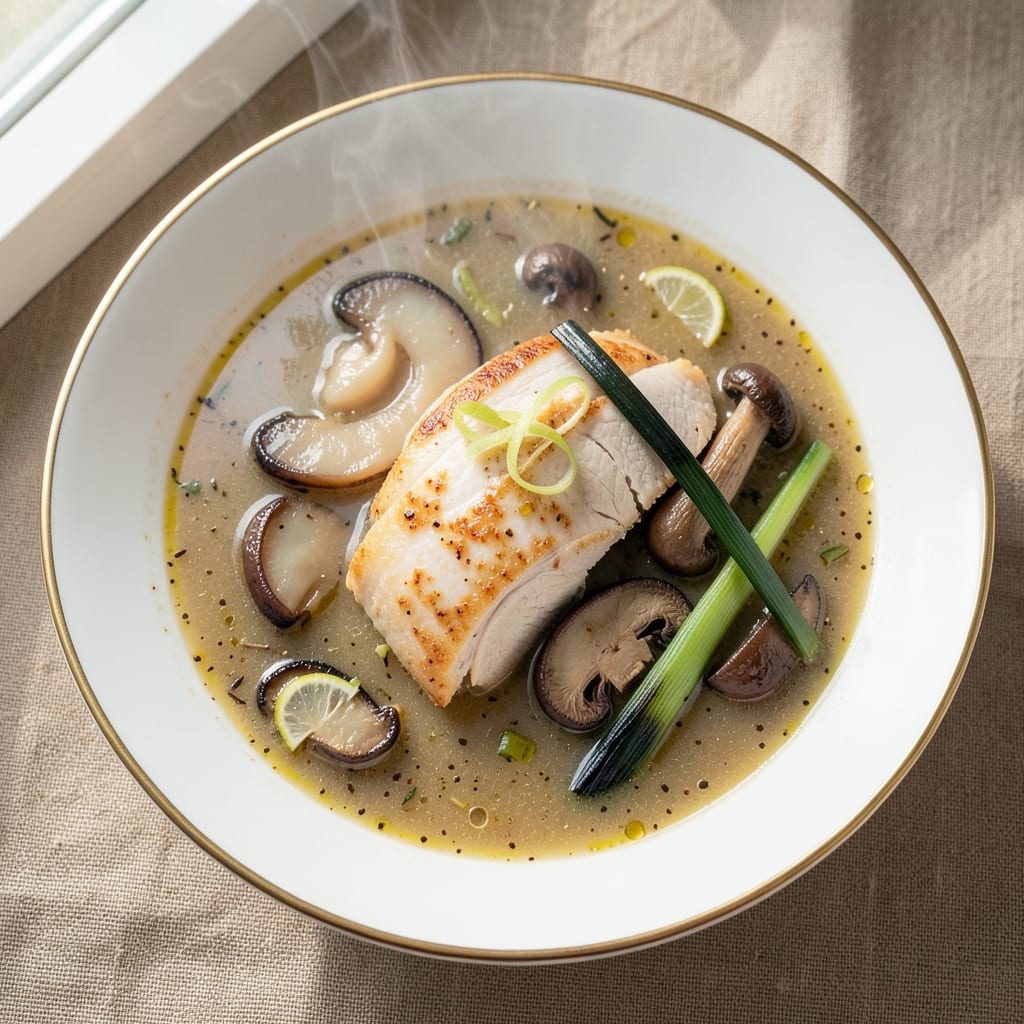
This abalone ginseng chicken soup recipe transforms simple ingredients into a luxurious broth that balances earthy mushrooms, tender seafood, and restorative ginseng. The secret lies in slow-simmered broth where chicken and abalone infuse their richness while ginseng releases its medicinal warmth. I developed this after years of studying traditional East Asian soups—where every sip delivers both comfort and depth.
The foundation is a rich, umami-packed broth built from chicken bones and aromatics like ginger and garlic, then elevated with ginseng's natural sweetness. Abalone adds a delicate brininess that pairs perfectly with shiitake mushrooms for texture contrast. What makes this different is the three-stage cooking process: first the broth, then the chicken, and finally the abalone, ensuring each component reaches peak tenderness.
By the time you're done, you'll have a soup that's both nourishing and restaurant-worthy—golden broth with floating abalone slices, tender chicken pieces, and mushrooms that melt into the liquid. The ginseng infuses subtle earthy notes that linger on your palate, while optional garnishes like sesame oil or chili flakes add finishing complexity. This is the kind of soup that feels like a hug in a bowl.
Perfect for chilly evenings or as a restorative meal, this recipe scales beautifully for gatherings. The techniques are approachable yet professional—ideal for home cooks wanting to elevate their soup game. Let's create this harmony of flavors together.
Ingredients for abalone ginseng chicken soup
Earthy ginseng meets delicate abalone in this luxurious broth—just 15 ingredients for restaurant-quality harmony.
| Ingredient | Amount | Notes |
|---|---|---|
| Chicken Bones 🍗 | 2 lb | With meat attached for broth |
| Fresh Ginseng Root 🌿 | 1 oz | Sliced into thin pieces |
| Abalone 🦪 | 1 whole | Approx 6-8 oz, sliced thin |
| Shiitake Mushrooms 🍄 | 8 whole | Stems removed, caps only |
| Chicken Breast 🍗 | 1 ½ lb | Boneless, skinless, cut into pieces |
| Fresh Ginger 🧄 | 2 tbsp | Grated, peeled |
| Garlic Cloves 🧄 | 6 cloves | Smashed, not minced |
| Green Onions 🧅 | 4 whole | White and green parts separated |
| Sesame Oil 🫒 | 1 tbsp | For finishing, not cooking |
| Gooseberry or Red Date 🍇 | 4 pieces | For subtle sweetness |
| Dried Shiitake Mushrooms 🍄 | 4 pieces | Rehydrated for depth |
| Light Soy Sauce 🥄 | 1 tbsp | Kikkoman preferred |
| Mirin 🍶 | 1 tbsp | For sweetness and shine |
| Salt 🧂 | 1 ½ tsp | Kosher or sea salt |
| White Peppercorns 🌶️ | ½ tsp | Freshly ground |
The ginseng root is non-negotiable here—Asian markets carry it fresh or dried, but if you can't find it, red date or gooseberry works in a pinch for subtle sweetness. For the abalone, frozen is fine if fresh isn't available—just thaw it overnight in the fridge. The chicken bones should have meat clinging to them for maximum flavor; ask your butcher for chicken backs or necks if regular bones are too clean. Shiitake mushrooms? Fresh or dried—just rehydrate dried ones first. The dried shiitake pieces add an extra layer of umami that's worth hunting down at specialty stores.
No ginseng? Double the gooseberry and add a pinch of cinnamon for warmth. Fresh ginger turning moldy? Substitute 1 tbsp ginger paste—just don't overdo it. The soy sauce can be swapped for coconut aminos if you're avoiding gluten, but trust me on the mirin—the sweetness balances the earthy flavors perfectly. For the mushrooms, if you can't find shiitake, cremini or oyster mushrooms work, though they won't have the same meaty texture. The abalone slices should be paper-thin—if yours are thick, slice them again before cooking. And if you're feeling fancy, add a splash of dry sherry to the broth for complexity.
This broth gets better with time—make a double batch and freeze portions for when you need a quick, nourishing meal. The ginseng-infused broth keeps for 5 days in the fridge, while the abalone and chicken pieces reheat beautifully for 3 days. For serving, keep the abalone slices whole so they look stunning in the bowl. The sesame oil and green onions should be added right before eating—that's when the magic happens. If you're prepping ahead, store the broth and garnishes separately and assemble just before serving to keep everything vibrant.
Why You'll Love This Recipe
- Same recipe, different vibes: serve it steaming in bowls for a cozy night in, or ladle it into elegant cups for guests. The chicken breast stays tender, and the abalone feels special enough to impress—without the stress.
- No-Chop Ingredients: The chicken bones and shiitake mushrooms handle all the prep work—just toss them in whole. The ginseng root slices itself as you simmer, and the abalone’s pre-cleaned texture means zero fuss. Honestly, I’ve made this on days when I forgot to grocery shop.
- Umami Bomb: That first sip? The chicken bones and shiitake mushrooms build a deep, savory broth, while the abalone adds a buttery richness. The fresh ginseng root cuts through with a clean, earthy finish—like a hug for your taste buds.
- Weeknight to Dinner Party: Same recipe, different vibes: serve it steaming in bowls for a cozy night in, or ladle it into elegant cups for guests. The chicken breast stays tender, and the abalone feels special enough to impress—without the stress.
Step-by-step instructions for abalone ginseng chicken soup
This luxurious broth develops through careful layering of flavors and textures. Let's build it together.
Prepare the Broth Base with Chicken and Aromatics
Rinse the 2 lb chicken bones thoroughly under cold water to remove any impurities. Place them in a large stockpot and add 8 cups cold water (enough to cover the bones by 2 inches). Bring to a boil over high heat, then immediately reduce to a gentle simmer. Skim off any foam that rises to the surface during the first 10 minutes of simmering—this ensures a crystal-clear broth.
While the broth simmers, prepare the aromatics. Add the 1 oz sliced fresh ginseng root, 2 tbsp grated fresh ginger, and 6 smashed garlic cloves to the pot. Let the broth simmer uncovered for 45 minutes, stirring occasionally. This slow extraction draws out maximum flavor from the bones and aromatics without overcooking them.
Add Mushrooms and Seafood for Depth
After 45 minutes, add the 8 whole shiitake mushroom caps (stems removed) and 4 rehydrated dried shiitake mushrooms (soaked in warm water for 20 minutes and drained). Simmer for another 20 minutes—you'll notice the mushrooms soften and release their earthy essence into the broth. Here's where the magic happens: add the 1 whole abalone, sliced thinly, and the 1.5 lb chicken breast pieces. The abalone will release delicate briny notes while the chicken breast adds subtle sweetness.
Real talk: don't rush this step. The abalone should cook just until it becomes tender but still holds its shape—about 10-12 minutes. Overcooking will turn it rubbery. The chicken breast should reach 165°F internally when tested with a meat thermometer, which typically takes 8-10 minutes in this broth.
Season and Finish with Sweet-Savory Balance
Strain the broth through a fine-mesh sieve into a clean pot, pressing gently on the solids to extract maximum flavor. Return the strained broth to the heat and add 1 tbsp light soy sauce, 1 tbsp mirin, 1.5 tsp salt, and 0.5 tsp freshly ground white peppercorns. Bring to a gentle simmer and let it reduce slightly—this concentrates the flavors. Taste and adjust seasoning: you want a harmonious balance of umami from the mushrooms and abalone, sweetness from the mirin and dates, and a touch of saltiness.
Here's the thing—add the 4 gooseberry or red dates and 4 whole green onion whites (separated and sliced) now. Simmer for 5 minutes to infuse their subtle sweetness and fresh aroma. Remove the dates and green onion whites before serving—you want their essence, not their texture.
Garnish and Serve with Elegance
Ladle the finished soup into bowls, reserving some broth for dipping. Garnish each serving with 4 thin slices of abalone (arranged like a fan), 4 shiitake mushroom caps, and a drizzle of 1 tbsp sesame oil. The sesame oil adds a luxurious finish—don't skip this step. It enhances the soup's visual appeal and adds a nutty aroma that complements the earthy flavors.
Serve immediately with the green onion greens (separated and chopped) sprinkled on top. Each spoonful should deliver a symphony of textures—silky abalone, tender chicken, chewy mushrooms—all bathed in a rich, aromatic broth. The contrast between the briny abalone and the earthy mushrooms makes this soup truly special.
Pro Tips For Making Abalone Ginseng Chicken Soup
- Blanch Bones First: I learned this the hard way—skipping the quick blanch (3-4 minutes in boiling water) means your broth will taste bitter and cloudy. The chicken bones need that initial shock to release collagen properly, and it cuts the prep time too.
- Slice Ginseng Thin: Fresh ginseng is tougher than it looks. Shave it paper-thin (1-2mm slices) so it infuses flavor without turning to mush. Use a sharp knife—this isn’t the time for brute force.
- Don’t Overcrowd the Pot: I used to dump everything in at once, and the soup would turn murky. Add chicken breast and abalone after the bones and ginseng have simmered 20 minutes. Crowding drops the temperature, and you’ll end up with rubbery protein.
- Parboil Abalone 3 Minutes: Sounds weird, but it works: give abalone a quick parboil (3 minutes in salted water) before adding it to the soup. This removes the slimy texture and ensures it stays tender, not chewy. Drain well—no one likes soggy abalone.
Pro cooking tips for abalone ginseng chicken soup
Broth Clarity Secrets
For a crystal-clear broth, I swear by skimming foam during the first 10 minutes of simmering—use a fine-mesh ladle or slotted spoon. The foam contains impurities that cloud the broth. After 45 minutes of simmering with aromatics, strain through a cheesecloth-lined sieve for extra clarity. I've found that adding 1 tsp apple cider vinegar to the broth while simmering helps break down proteins that cause cloudiness. 🌡️
Ginseng Extraction
Fresh ginseng needs gentle handling—slice it paper-thin (about 1/8-inch) to maximize surface area for flavor infusion. Simmer it uncovered for 45 minutes to avoid bitterness. If using dried ginseng, slice it slightly thicker (1/4-inch) and simmer for 30 minutes—it's more concentrated. Pro tip: Toast the ginseng slices in a dry pan for 1 minute before adding to the broth to deepen its aroma. 🌿
Abalone Cooking Time
Abalone cooks in 10-12 minutes—any longer and it turns rubbery. I test doneness by gently pressing a slice with tongs; it should yield slightly but still hold its shape. For extra tenderness, add the abalone 5 minutes after the chicken breast goes in. The chicken's residual heat helps cook the abalone faster while keeping it delicate. 🦪
Mushroom Texture Control
Shiitake mushrooms should be al dente—soft but still holding their shape. Simmer them for 20 minutes total, then remove them before adding abalone. For chewier texture, add dried shiitake pieces 10 minutes before serving. I like to blanch fresh shiitake caps in boiling water for 1 minute before adding to the broth to remove any bitterness. 🍄
Broth Reduction
Reduce the broth by 15-20% for maximum flavor concentration. Simmer uncovered on medium-low heat until it reaches your desired consistency—about 10-15 minutes. Taste frequently; the umami will intensify as moisture evaporates. For a glossy finish, add 1 tbsp mirin during the last 5 minutes of reduction. 💫
Garnish Timing
Add sesame oil right before serving—it burns easily and loses its delicate aroma when heated. Keep green onion garnishes separate until the last moment to preserve their freshness. For restaurant-style presentation, arrange abalone slices in a fan shape on top of the soup. A pinch of white pepper sprinkled over the broth just before serving adds a subtle, elegant finish. ✨
Nutrition facts
Frequently asked questions
Can I substitute fresh ginseng with dried ginseng?
Yes, but adjust the quantity and cooking time. Use ½ oz dried ginseng instead of 1 oz fresh, and simmer it for only 20-25 minutes—dried ginseng is more concentrated. Toast the dried slices in a dry pan for 1 minute first to deepen their aroma.
How do I know when abalone is fully cooked?
Abalone is done when it becomes tender but still holds its shape—about 10-12 minutes of simmering. Test by gently pressing a slice with tongs; it should yield slightly but not fall apart. For extra tenderness, add it 5 minutes after the chicken breast goes in. Overcooking turns it rubbery.
Can I make this soup ahead of time?
Prepare the broth and cook the chicken and abalone up to 2 days ahead, then refrigerate. Reheat gently on the stove, adding a splash of water if needed. Keep the sesame oil and green onion garnishes separate until serving to preserve freshness. The broth actually tastes better after resting overnight!
What if I can't find fresh ginseng?
No problem! Use 4 red dates or gooseberries for sweetness, plus a pinch of cinnamon for warmth. For extra depth, add ½ tsp dried goji berries during the last 5 minutes of simmering. The flavor will be slightly different but still delicious.
Why does my broth look cloudy?
Cloudiness usually means proteins or impurities weren't fully skimmed. Skim foam during the first 10 minutes of simmering, then strain through a cheesecloth-lined sieve. For extra clarity, add 1 tsp apple cider vinegar while simmering to help break down proteins. Patience is key—let the broth simmer uncovered for 45 minutes to settle.