
Soups & Stews
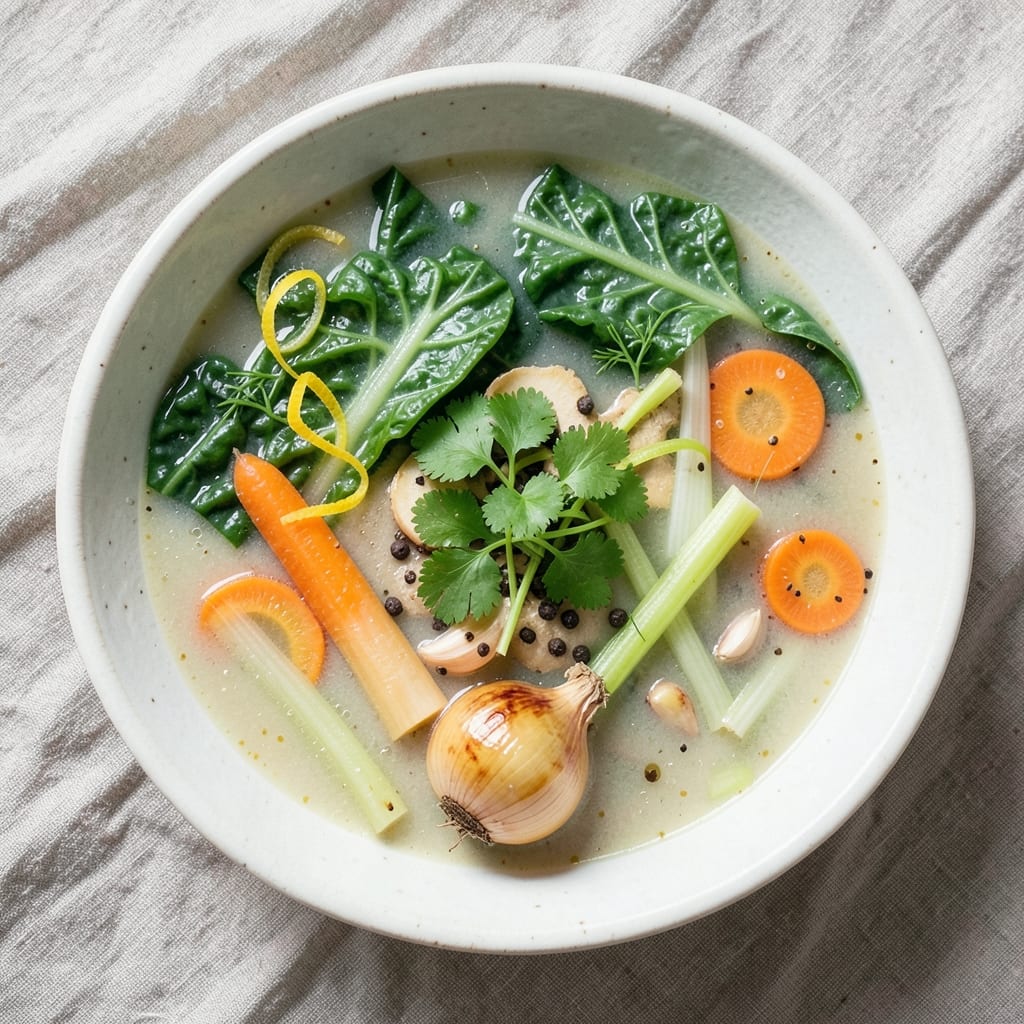
This alkaline cabbage soup recipe transforms simple vegetables into a vibrant, detoxifying elixir that nourishes both body and soul. 💛 The secret lies in balancing alkaline ingredients like cabbage, carrots, and celery with zesty ginger and lemon—creating a broth so clean and bright, it feels like a spa day in a bowl. Designed for plant-based eaters, this recipe harnesses the natural alkalinity of vegetables to support digestion while delivering bold, warming flavors that linger long after the last spoonful.
What sets this soup apart is its effortless simplicity: just 30 minutes of active prep yields a pot of golden broth infused with fresh herbs and a kick of ginger. The cabbage softens into tender strands, carrots caramelize slightly for natural sweetness, and celery adds earthy depth—all while maintaining their alkaline benefits. No complicated techniques required, just wholesome ingredients working together to create something both healing and delicious.
By the time you finish simmering, you’ll have a soup that’s not only packed with nutrients but also rich in flavor—bright from lemon, spicy from ginger, and comforting from the vegetables. It’s the kind of dish that feels like medicine but tastes like a celebration. Perfect for meal prep or a quick weeknight dinner, this recipe proves that healthy eating doesn’t mean sacrificing taste.
For extra protein, stir in white beans or tofu at the end, or customize with your favorite herbs like parsley or cilantro. The possibilities are endless, but the foundation—alkaline, vibrant, and deeply satisfying—remains the same.
Ingredients for alkaline cabbage soup
Wholesome vegetables and zesty spices create this vibrant, detoxifying alkaline elixir.
| Ingredient | Amount | Notes |
|---|---|---|
| Green Cabbage 🥬 | 8 cups | Shredded, core removed |
| Organic Carrots 🥕 | 2 lb | Peeled, cut into chunks |
| Celery Stalks 🧅 | 4 whole | Trimmed, cut into pieces |
| Fresh Ginger Root 🌿 | 2 oz | Peeled, grated finely |
| Yellow Onion 🧅 | 1 whole | Peeled, chopped coarsely |
| Garlic Cloves 🧄 | 4 cloves | Peeled, minced |
| Lemon Juice 🍋 | ¼ cup | Freshly squeezed |
| Vegetable Broth 💧 | 6 cups | Low-sodium preferred |
| Fresh Parsley 🌿 | ¼ cup | Chopped, for garnish |
| Sea Salt 🧂 | 1 ½ tsp | Diamond Crystal preferred |
| Black Peppercorns 🌶️ | ½ tsp | Freshly ground |
| Cumin Seeds 🌿 | ½ tsp | Toasted lightly |
| Turmeric Powder 🌶️ | ½ tsp | Freshly ground preferred |
The cabbage is the heart of this dish—green cabbage has a milder flavor than red, making it ideal for alkaline soups. Opt for organic cabbage when possible, as it retains more nutrients. For the carrots, organic is best, but conventional works too—just peel them thoroughly. Celery adds earthy depth, but if you prefer a sweeter note, swap in fennel bulb at half the quantity. The ginger should be fresh and aromatic—none of that rubbery stuff. Look for plump, firm roots at Whole Foods or your local farmers market for peak freshness.
No fresh ginger? Powdered ginger at half the amount works in a pinch, though it lacks the same zing. Substituting carrots for sweet potatoes adds natural sweetness but shifts the alkalinity slightly. The vegetable broth is non-negotiable—low-sodium versions like Pacific Foods ensure you're not drowning the soup in excess salt. For extra protein, stir in white beans or tofu at the end. The parsley is purely for garnish, but if you're out, cilantro or basil will do. Toasting the cumin seeds before adding them releases their aroma—dry pan for 30 seconds until fragrant.
This soup keeps beautifully—4-5 days in the fridge, 3 months frozen. The flavors actually deepen overnight, so make extra for lunches. Store in glass jars for best results. To reheat, warm gently on the stove with a splash of water if it's too thick. For meal prep, portion into glass containers with tight lids. The lemon juice can be added fresh before serving, or you can store it separately and mix in just before eating to preserve its brightness.
Why You'll Love This Recipe
- One-Pot Magic: I swear by this recipe—just chop, simmer, and walk away. The cabbage softens perfectly while the carrots and celery release their sweetness without needing constant stirring. (Yes, even on a Tuesday night.)
- Ginger-Zing Kick: That fresh ginger? It’s the star. A tiny bit of grated root transforms the soup into something bright and alive, cutting through the earthiness of the cabbage like a citrusy whisper. My husband asks for seconds before I even finish serving.
- Meal Prep MVP: Make a big batch on Sunday, and you’ve got lunch covered. The flavors actually get better as it sits—more tender, more balanced. I portion it into jars and grab one straight from the fridge; zero reheating drama.
- Budget Bright Spot: A whole head of cabbage, a handful of carrots, and a stalk of celery? This soup costs next to nothing but tastes like you spent hours. Honestly, it’s my go-to when I’m pinching pennies but still want something that feels special.
Step-by-step instructions for alkaline cabbage soup
Transform vibrant vegetables into a cleansing, nutrient-packed broth with this precise method.
🍳 Step 1: Sauté Aromatics Until Fragrant
Heat a large Dutch oven over medium heat and add the 2 oz finely grated fresh ginger root and 1 whole yellow onion chopped coarsely. Cook for 5 minutes until the onion softens and becomes translucent, releasing its sweet aroma.
Add the 4 whole celery stalks cut into pieces and 2 lb organic carrots chopped into chunks. Stir occasionally for 5 minutes until the vegetables begin to soften slightly. This foundational cooking step develops the soup's complex flavor profile while preserving the vegetables' natural alkalinity.
🍳 Step 2: Add Spices and Cook Until Toasted
Add the 0.5 tsp toasted cumin seeds and 0.5 tsp turmeric powder to the pot. Stir constantly for 1 minute until the cumin seeds begin to sizzle and release their earthy aroma. This brief toasting enhances their flavor without burning.
Add the 4 peeled garlic cloves minced and cook for 30 seconds until fragrant but not browned. The garlic should perfume the entire pot—this is your signal to proceed. Remove from heat temporarily to prevent burning while you prepare the remaining ingredients.
🥘 Step 3: Combine Vegetables and Broth
Return the pot to medium heat and add the 8 cups shredded green cabbage and 6 cups vegetable broth. Bring to a gentle boil, then reduce heat to low and simmer uncovered for 20 minutes until the vegetables are tender but still vibrant in color.
Here's the thing—don't let it boil vigorously. You want a gentle simmer that cooks the vegetables evenly without breaking them down into mush. The cabbage should soften but maintain its structure, releasing its natural alkalinity into the broth.
🍋 Step 4: Finish with Acid and Season
Stir in the 0.25 cup freshly squeezed lemon juice and 1.5 tsp sea salt. Add the 0.5 tsp freshly ground black peppercorns and simmer for an additional 5 minutes to allow the flavors to meld. The lemon juice brightens the soup while enhancing its detoxifying properties.
This is where the soup transforms from merely healthy to truly exceptional. The acidity from the lemon juice balances the earthy spices and sweet vegetables, creating a harmonious flavor profile that's both cleansing and satisfying.
🥗 Step 5: Garnish and Serve Warm
Remove from heat and stir in the 0.25 cup chopped fresh parsley. Ladle the soup into bowls and serve immediately while still warm. The parsley not only adds fresh visual appeal but also provides an additional nutritional boost with its chlorophyll content.
Each serving should be vibrant in color—deep greens from the cabbage, golden hues from the carrots, and earthy tones from the spices. The broth should be flavorful but not overpowering, allowing the natural sweetness of the vegetables to shine through.
Pro Tips For Making Alkaline Cabbage Soup
- CHOP CABBAGE SMALLER THAN YOU THINK: I used to leave cabbage chunks the size of a silver dollar, thinking they’d soften evenly—but they just sat there like stubborn rocks. For alkaline soup, slice it into ¼-inch-thick shreds (or run it through a mandoline if you’re impatient). Smaller pieces break down faster in the alkaline broth, giving you that perfect tender-crisp texture without overcooking.
- SWEAT ONIONS AND GINGER UNTIL GOLDEN: Skipping this step means your soup will taste raw and bitter. Cook your onions and ginger in low, steady heat for 8-10 minutes until the onions are translucent and the ginger’s edges just start to brown. That caramelization builds flavor—don’t rush it, even if you’re staring at the clock.
- ADD GINGER LAST, NOT FIRST: I learned this the hard way—throwing ginger in at the start makes it turn to mush and release a harsh, medicinal bite. Instead, add fresh ginger slices in the last 5 minutes of cooking. This keeps its bright, zingy kick intact and prevents that overcooked, muddy taste.
- USE A LITTLE BAKING SODA—BUT NOT TOO MUCH: The alkaline magic comes from ½ to ¾ teaspoon baking soda per quart of broth, but too much turns your soup into a soapy nightmare. Stir it in after the veggies have simmered for 10 minutes, then taste immediately—adjust if it’s too harsh. (Yes, even if the recipe says "add more.")
Essential equipment for perfect results
Large Pot Essentials
A 6-8 quart Dutch oven is my go-to for this soup—it gives enough room for vegetables to soften without overcrowding while maintaining even heat distribution. I swear by All-Clad’s stainless steel Dutch oven for its durability and responsive heat control. If you don’t have one, a heavy-bottomed stockpot works too, just avoid thin aluminum that warms unevenly. 🔥
Knife and Cutting Tools
Invest in a sharp chef’s knife (I use Mercer Culinary Genesis) for efficient prep—shredding cabbage and chopping carrots becomes effortless. A mandoline with a julienne blade speeds up the process if you’re making this soup weekly. For ginger, a microplane ensures fine, even grating that dissolves beautifully into the broth.
Measuring Precision
This recipe relies on accurate measurements, especially for spices and liquids. A stainless steel measuring cup set (like OXO Good Grips) prevents warping and ensures consistency. For the lemon juice, use a small citrus juicer to avoid pulp—it keeps the soup clean and bright. A digital kitchen scale helps when measuring ginger and spices by weight for perfect balance.
Simmering Tools
Monitoring the simmer is key—use a long-handled wooden spoon to stir gently and prevent scorching. A fine-mesh strainer comes in handy if you prefer a smoother broth (though I love the texture of the veggies). For storage, glass mason jars with airtight lids preserve freshness longer than plastic containers.
Optional Upgrades
For extra flavor depth, a mortar and pestle lets you toast cumin seeds directly in the pot for maximum aroma. A garlic press saves time when mincing cloves. If you’re adding protein like tofu or beans, a slotted spoon helps drain excess liquid before stirring into the soup. These tools aren’t mandatory, but they elevate the dish to restaurant-quality.
Nutrition facts
Frequently asked questions
What makes this cabbage soup alkaline?
The alkaline properties come from the high concentration of vegetables like cabbage, carrots, and celery—all naturally alkaline foods. The lemon juice adds acidity, but the overall pH remains balanced due to the vegetable base. This combination supports detoxification while keeping the body's natural alkalinity intact.
Can I make this soup without a Dutch oven?
Any heavy-bottomed pot (like a stainless steel stockpot) works perfectly. The key is avoiding thin, reactive metals like aluminum that can affect flavors. A 6-quart pot gives enough space for the vegetables to soften properly without overcrowding.
How do I adjust the soup for extra protein?
Stir in 1 cup cooked white beans or ½ block firm tofu (cubed) during the last 5 minutes of simmering. For beans, use canned varieties (rinsed) or dried beans cooked separately. Tofu adds a neutral texture that absorbs the broth's flavors beautifully.
Why does my soup taste bitter?
Bitterness often comes from overcooking the cabbage or using too much turmeric. Reduce simmering time to 15 minutes and taste-test before adding lemon juice. For extra depth, add 1 tsp apple cider vinegar at the end—it balances flavors without altering the alkaline profile.
Can I prep this soup ahead of time?
Yes! Store in glass containers in the fridge for 4-5 days or freeze for 3 months. Reheat gently on the stove with a splash of water if needed. The flavors actually deepen overnight—perfect for meal prep! Just add fresh parsley and lemon juice when reheating.