
Soups & Stews
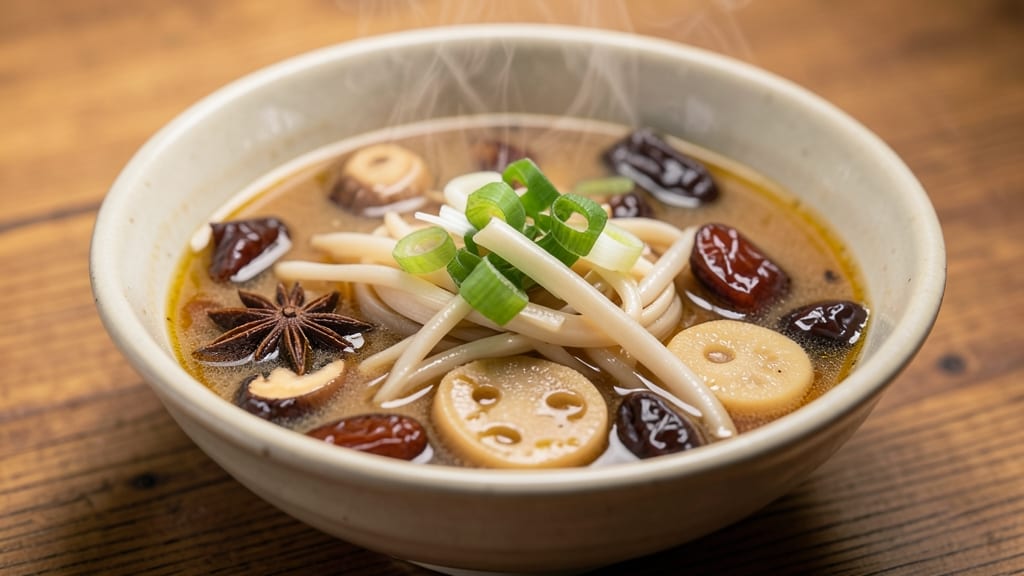
This Asian wedding soup recipe serves as the heart of celebration, where every silky egg ribbon symbolizes prosperity and every sip carries blessings for the couple. 💛 The star anise-infused broth, rich with ginger and mushrooms, creates a fragrant foundation that reflects tradition and warmth.
More than just a dish, it’s a centerpiece of wedding feasts across Asia, carrying deep cultural significance with each ingredient carefully chosen for its symbolic meaning.
The recipe begins with a clear, aromatic broth simmered for hours to develop depth, where star anise and dried shiitake mushrooms lend their earthy sweetness. Silken egg ribbons—delicate and unbroken—are the star, representing longevity and unity, while rice cakes and dried dates add subtle sweetness and texture.
This dish isn’t just about flavor; it’s about intention, crafted to honor the couple’s future together.
What makes this soup truly special is its balance of simplicity and meaning. The broth remains light yet flavorful, allowing the egg ribbons to shine, while the mushrooms and ginger provide a comforting warmth.
Served in individual bowls, each component—from the glossy egg strands to the tender mushrooms—comes together in harmony, creating a dish that’s as visually stunning as it is symbolic.
Perfect for weddings, family gatherings, or special occasions, this soup carries the weight of tradition while delivering restaurant-quality results at home. The recipe scales effortlessly, ensuring every guest receives a bowl brimming with blessings and flavor. Let’s begin crafting this timeless dish.
Ingredients for asian wedding soup
Six aromatic ingredients and twelve delicate eggs transform tradition into a fragrant wedding celebration.
| Ingredient | Amount | Notes |
|---|---|---|
| Fresh Shiitake Mushrooms 🍄 | 8 whole | Dried preferred for deeper flavor |
| Fresh Ginger 🧄 | 2 tbsp | Finely grated, peeled |
| Star Anise Pods 🌿 | 4 whole | Whole pods for easy removal |
| Dried Shiitake Mushrooms 🍄 | ½ oz | Rehydrated for broth depth |
| Large Eggs 🥚 | 12 whole | Room temperature for silken ribbons |
| Dried Dates 🍯 | ¼ cup | Pitted, chopped for sweetness |
| Rice Cakes 🍡 | 6 whole | Glutinous, thinly sliced |
| Green Onions 🧅 | 6 whole | White and green parts separated |
| Fish Sauce 🍶 | 1 tbsp | High-quality for umami balance |
| Sesame Oil 🫒 | 1 tsp | Toasted for aroma |
| Sea Salt 🧂 | 1 ½ tsp | Diamond Crystal preferred |
| White Peppercorns 🌶️ | ½ tsp | Freshly cracked |
| Water 💧 | 8 cups | Filtered for clarity |
The star anise and dried shiitake mushrooms form the soul of this soup. Whole star anise pods from Penzeys Spices deliver the most authentic flavor—avoid the powdered versions. For shiitake mushrooms, dried is non-negotiable; they develop a rich, earthy depth that fresh can't match. Fresh ginger should be organic and plump, with no woody cores. If using dried shiitake, soak them in hot water for 20 minutes before adding to the broth. The rice cakes? Look for glutinous varieties at Asian markets—they hold their shape beautifully when sliced thinly. For fish sauce, Red Boat is my go-to; it's clean and potent without overpowering the delicate broth.
No star anise? Anise seeds at double the amount work in a pinch, but the flavor won't be identical. Substituting fresh shiitake for dried? Use twice the quantity and reduce cooking time. If you can't find glutinous rice cakes, mochi or regular rice cakes sliced paper-thin will suffice. For the eggs, room temperature is critical—cold eggs won't ribbon properly. The fish sauce can be omitted entirely for a vegetarian version, but the broth will lose some depth. For extra umami without fish sauce, add 1 tsp soy sauce instead. The dates can be swapped for dried apricots or figs, but dates provide the perfect subtle sweetness that balances the broth's earthiness.
The broth keeps beautifully—up to 5 days refrigerated or 3 months frozen. For freezing, portion into individual containers so you can serve single bowls directly from the freezer. The egg ribbons are best made fresh, but you can prepare the broth ahead and store it separately. When reheating, keep the heat low to prevent the broth from becoming cloudy. The rice cakes and mushrooms can be prepped a day ahead and stored in the fridge. For serving, garnish each bowl with a green onion fan and a drizzle of sesame oil—this adds both visual appeal and an aromatic finish that guests will notice immediately.
Why You'll Love This Recipe
- No-Chop Nightmare: I swear, this soup wins on lazy days. The dried shiitakes just soak up broth while you simmer—no knife skills required. Fresh shiitakes? Toss them in whole if you’re really skipping prep.
- Umami Bomb: That combo of fresh and dried shiitakes with star anise? It’s like a flavor explosion in a bowl. The eggs poach silky-smooth, and the ginger adds a zing that lingers—honestly, I’ll take this over takeout any day.
- Budget Magic: Dried shiitakes stretch the broth for days, and eggs add richness without breaking the bank. Make a double batch, freeze half, and thank me when you’re eating this for lunch next week. (Yes, even on a Tuesday night.)
Step-by-step instructions for silky egg ribbons in star anise broth
This elegant wedding soup delivers restaurant-quality silken egg ribbons and aromatic broth every time.
🍳 Step 1: Build the Fragrant Star Anise Broth
In a large pot, combine the 8 cups water, 0.5 oz dried shiitake mushrooms, 4 whole star anise pods, 2 tbsp fresh ginger, 1.5 tsp sea salt, and 0.5 tsp white peppercorns. Bring to a boil over medium-high heat, then immediately reduce to a simmer. Let it cook uncovered for 20 minutes—this allows the star anise to infuse deeply and the ginger to release its aromatic oils.
After 20 minutes, remove the star anise pods and ginger using a slotted spoon. Add the 8 whole fresh shiitake mushrooms (cleaned but untrimmed) and simmer for another 15 minutes. The broth should now have a rich, golden hue and carry that unmistakable anise fragrance. If the mushrooms release too much liquid, adjust the heat to maintain a gentle simmer.
👨🍳 Step 2: Prepare the Sweet-Savory Base
While the broth simmers, take the 0.25 cup dried dates and chop them finely. In a small bowl, combine the chopped dates with 1 tbsp fish sauce and 1 tsp sesame oil. This mixture will add depth of flavor and balance the broth's savory notes. Set aside for now—we'll incorporate it later when the broth is fully developed.
Also prepare the 6 whole rice cakes by slicing each into ¼-inch thick rounds. You should end up with about 24 slices total. These will add a delicate chew and subtle sweetness to the soup. Keep them separate until we're ready to add them to the finished broth.
🍳 Step 3: Create the Signature Silken Egg Ribbons
Bring a separate pot of water to a rolling boil. In a bowl, whisk the 12 whole large eggs until the yolks and whites are fully combined. Slowly pour the eggs into the boiling water in a thin stream while whisking constantly. The heat will gently cook the eggs into delicate, translucent ribbons—this is the signature texture of wedding soup.
Cook for exactly 3 minutes, then carefully remove the egg ribbons with a slotted spoon and drain them well on paper towels. The ribbons should be silky but still slightly translucent—if they become opaque, they've been overcooked. Set them aside and keep warm.
🥘 Step 4: Assemble and Finish the Soup
Return the broth to a gentle simmer and add the date-fish sauce mixture. Stir well and let it cook for 5 minutes to allow the flavors to meld. The broth should now have a subtle sweetness balanced by the umami from the fish sauce. Add the sliced 6 whole rice cakes and simmer for another 2 minutes—just enough time to warm them through without making them soggy.
Divide the silken egg ribbons among 6 bowls, then ladle the hot broth over them. Garnish each serving with 1 whole green onion (sliced diagonally) and a drizzle of the remaining sesame oil. The contrast of textures—silky eggs, chewy rice cakes, and tender mushrooms—makes this soup truly special.
Pro Tips For Making Asian Wedding Soup
- Sear Dried Shiitakes First: I learned this the hard way—tossing dried shiitakes straight into simmering broth makes them turn to mush. Instead, heat them dry in a pan for 1-2 minutes until fragrant and slightly darkened. This jumpstarts their flavor and prevents them from dissolving into the soup.
- Slice Ginger Paper-Thin: Fresh ginger in wedding soup should be nearly translucent—thin enough to see light through it. Use a mandoline or sharp knife to slice it at 1mm thickness, then rinse to remove excess starch. Thick slices will linger like rubbery afterthoughts.
- Poach Eggs at 85°C: The broth should be steaming but not boiling when adding eggs—aim for 85°C (185°F). Too hot and the whites scramble; too cool and they never set. A thermometer helps, but if you’re guessing, watch for tiny bubbles breaking the surface before dropping in the eggs.
- Toast Star Anise Whole: Cracking star anise releases its oils too aggressively—it’ll make the soup bitter. Instead, toast whole pods in a dry pan for 30 seconds until fragrant, then crush lightly between a glass and cutting board. This gives just enough aroma without overpowering.
Best sauces and condiments for this dish
Sweet-Savory Date Sauce
This simple yet transformative sauce combines 0.25 cup dried dates with 1 tbsp Red Boat fish sauce and 1 tsp toasted sesame oil. The dates should be finely chopped to create a smooth paste that blends seamlessly into the broth.
I like to pulse them in a food processor for 10 seconds—just enough to break them down without turning them into a powder. This sauce adds a delicate sweetness that balances the broth's savory depth while reinforcing the dish's auspicious symbolism of prosperity. 🌟
Umami Boost with Shiitake Mushrooms
For an extra layer of umami, consider adding a 1 tsp soy sauce or ½ tsp mushroom powder directly to the broth during the final 5 minutes of simmering. The dried shiitake mushrooms already contribute their earthy depth, but these additions create a more complex flavor profile.
I've found that 1 tsp of dried porcini mushroom powder works exceptionally well—it dissolves completely and enhances the broth's richness without overpowering it. For a vegetarian version, replace fish sauce with an extra ½ tsp soy sauce.
Sesame Oil Finishing Touch
The final drizzle of sesame oil is non-negotiable—it adds aroma and visual appeal. I recommend using toasted sesame oil for its nutty depth, which contrasts beautifully with the delicate broth.
For an extra touch of sophistication, lightly toast ½ tsp sesame seeds in a dry pan until golden, then sprinkle them over each bowl alongside the green onions. This adds both texture and a subtle crunch that guests will appreciate. 💫
Spicy Kick with Chili Oil
If you want to add a hint of heat, drizzle each bowl with ½ teaspoon of chili oil before serving. I like to make my own by infusing ½ cup neutral oil with 2 tbsp dried chili flakes and 1 crushed star anise pod for 10 minutes on low heat.
Strain and store in a glass jar—it keeps for weeks in the pantry. The chili oil enhances the broth's complexity while keeping the dish's traditional essence intact. For a milder version, reduce the chili flakes to 1 tbsp.
Citrus Brightness with Lime
A squeeze of fresh lime juice (about ½ teaspoon per bowl) adds a refreshing brightness that cuts through the richness of the broth. The acidity also helps balance the natural sweetness of the dates and rice cakes.
I like to serve lime wedges on the side so guests can adjust to their preference. For a more subtle approach, add the lime juice directly to the broth during the final 2 minutes of simmering. This ensures even distribution without overpowering the delicate flavors. 🍋
Herb Garnish Variations
While green onions are traditional, you can experiment with other fresh herbs for garnish. Thinly sliced scallions work beautifully, as do cilantro leaves for a brighter note. For a more aromatic touch, try fresh Thai basil or mint leaves, which pair wonderfully with the anise and ginger flavors.
I recommend adding herbs just before serving to preserve their freshness and vibrant color. A sprinkle of toasted sesame seeds also adds a delightful crunch and visual contrast. 🌿
Nutrition facts
Frequently asked questions
What does the silken egg ribbon symbolize in Asian wedding soup?
The delicate egg ribbons represent longevity and unity in the marriage. Their unbroken strands symbolize a couple's enduring bond and shared future. In Chinese culture, they also resemble the shape of the Chinese character for "togetherness" (合).
Can I make this soup vegetarian?
Yes! Simply replace the fish sauce with 1.5 tbsp soy sauce and add ½ tsp mushroom powder for umami depth. The broth will still be rich and aromatic, though slightly less complex.
Why does my egg ribbon turn opaque instead of silky?
Overcooking is the most common cause. Eggs should cook for exactly 3 minutes in boiling water—any longer makes them rubbery. Also ensure your eggs are room temperature and whisked thoroughly before cooking. For best results, use a thermometer to maintain 205°F water temperature.
How do I adjust this recipe for a larger wedding party?
Scale all ingredients proportionally—double the broth components and triple the egg ribbons (use 18 eggs for 12 servings). The key is maintaining the same broth-to-egg ratio (about 1.5 cups broth per egg). Simmer the broth longer if needed to concentrate flavors. For presentation, use multiple pots or a chafing dish to keep the soup warm.
What's the difference between Chinese and Vietnamese wedding soups?
Chinese versions typically use star anise and ginger for fragrance, while Vietnamese wedding soups (like bún tết) often feature lemongrass and pandan leaves. The egg presentation differs too—Chinese soups use whole ribbons, while Vietnamese versions might include egg rolls or shredded egg. Both share symbolic meanings but vary in regional spices.