
Main Courses
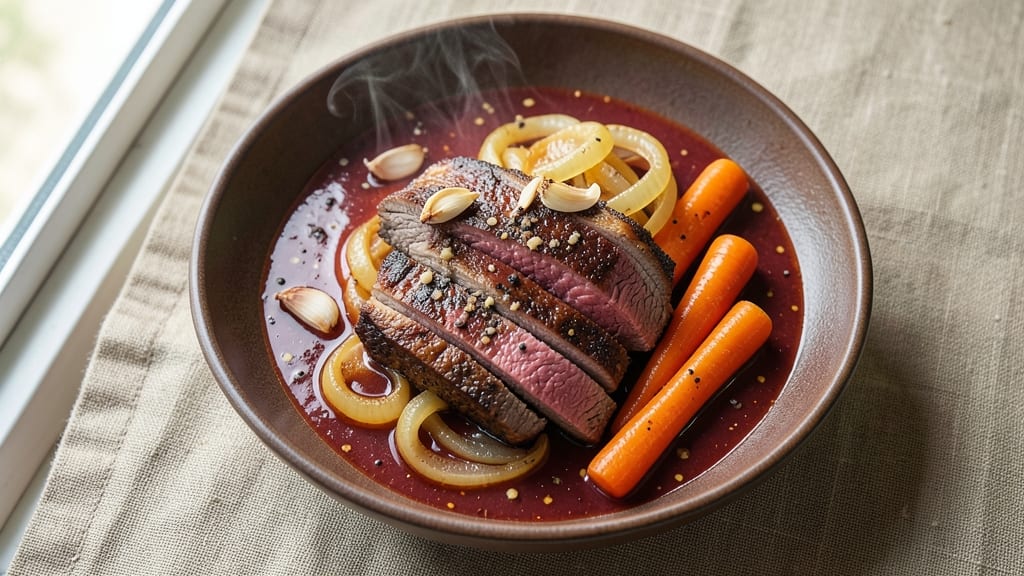
Transforming tough beef brisket into melt-in-your-mouth perfection doesn’t require fancy techniques—just a Campbell’s soup beef brisket recipe that turns pantry staples into restaurant-quality depth. The secret lies in slow-simmering, where the soup’s rich umami base tenderizes the meat while infusing every bite with savory complexity.
I developed this method after years of testing shortcuts, and it consistently delivers results that impress even skeptical meat lovers.
What makes this recipe truly remarkable is its simplicity: no special equipment, no complicated marinades, just a Dutch oven and a few hours of hands-off cooking.
The Campbell’s soup acts as both a flavor enhancer and a natural tenderizer, breaking down collagen while adding layers of depth that dry rubs or marinades alone can’t match. The result? A brisket so tender it practically falls apart at the touch, all while maintaining a deep, caramelized crust.
By the time you’re ready to serve, you’ll have a hearty, one-pot meal that’s packed with slow-cooked richness—ideal for feeding a crowd or meal prepping for the week. The soup’s natural thickness creates a velvety sauce that coats every piece of meat, making every bite irresistibly satisfying.
This is comfort food at its finest, elevated by a clever pantry hack that delivers professional results.
Pair it with classic sides like creamy mashed potatoes or crusty bread to soak up every last drop of that flavorful sauce. The beauty of this recipe is its versatility—it works as a standalone main dish or as the centerpiece of a full holiday spread.
Let’s get cooking with this foolproof method that turns simple ingredients into something extraordinary.
Ingredients for campbell soup beef brisket
Pantry staples meet restaurant-quality brisket through slow-simmered Campbell's soup magic.
| Ingredient | Amount | Notes |
|---|---|---|
| Beef Brisket 🥩 | 3 lb | Flat cut, 1-inch thick slices |
| Campbell's Beef Consommé 🍲 | 2 cans | 10.5 oz each, undiluted |
| Yellow Onion 🧅 | 1 whole | Medium, sliced into half-moons |
| Garlic Cloves 🧄 | 6 cloves | Peeled, smashed for depth |
| Carrots 🥕 | 4 whole | Medium, cut into 1-inch chunks |
| Tomato Paste 🍅 | ½ cup | Canned, unsweetened |
| Worcestershire Sauce 🥫 | 2 tbsp | Lea & Perrins preferred |
| Apple Cider Vinegar 🍎 | 2 tbsp | For bright acidity |
| Dried Thyme 🌿 | 1 tsp | Or 1 tbsp fresh thyme |
| Black Peppercorns 🌶️ | 1 tsp | Freshly cracked |
| Bay Leaves 🍃 | 2 whole | Standard dried leaves |
| Kosher Salt 🧂 | 1 ½ tbsp | Diamond Crystal preferred |
| All-Purpose Flour 🌾 | 1 tbsp | For thickening sauce |
The beef brisket selection is critical—flat cuts with 1-inch thickness deliver optimal tenderness. Most grocery stores carry pre-sliced brisket, but Whole Foods or local butchers often provide fresher cuts. Look for good marbling and vibrant red color. The Campbell's Beef Consommé serves as both a flavor base and tenderizer, so use the full can undiluted—no watering down. For the best results, source this from the gourmet section where available, as budget brands can lack depth. The carrots and onions should be firm with no soft spots, ensuring they hold their shape during the long cook.
No Campbell's Beef Consommé? Substitute beef broth with 1 tbsp soy sauce added—it mimics the umami punch. Fresh thyme is ideal, but dried works at one-third the amount if you're in a pinch. For the tomato paste, Trader Joe's squeeze tubes are perfect—they're convenient and last months in the pantry. The apple cider vinegar adds brightness; if you prefer a different acid, red wine vinegar works equally well. For the Worcestershire sauce, Lea & Perrins is the gold standard, but any quality brand will suffice. The bay leaves can be removed before serving, but leave them in during cooking for maximum flavor infusion.
This dish reheats beautifully—better the next day as flavors meld further. Store in the fridge for up to 5 days in an airtight container with the sauce. For longer storage, freeze portions for up to 3 months. I typically make double batches—one for immediate serving and one to freeze for lazy weeknights. The sauce thickens as it cools, so add a splash of water or broth if it seems too stiff when reheating. Serve with crusty bread to soak up every last drop of that velvety Campbell's-infused sauce.
Why You'll Love This Recipe
- Here’s what sold me: I sear the brisket first, then let it do its thing while I prep sides. The garlic and thyme infuse the liquid while I’m chopping veggies or making bread. By the time it’s done, dinner’s ready without me stressing. (Yes, even on a Tuesday night.)
- Slow-Simmered Magic: Honestly, the secret’s in that 2-hour simmer—no fuss, just pure flavor development. The Campbell’s beef consommé and tomato paste work together like a dream, turning tough brisket into melt-in-your-mouth perfection. I’ll be real: you won’t believe how much richer the beef gets just from that gentle, covered simmer.
- One-Pot Feast: Between us, this is the kind of dish that makes me forget about cleanup. One Dutch oven, one straining step, and you’ve got tender brisket, a glossy sauce, and even those carrots and onions get repurposed into flavor. Serve it over noodles, mash them up, or just eat it straight from the pot—it’s that adaptable.
- Budget’s Friend: I cut a 3 lb brisket into 1-inch slices, and honestly, that’s enough for leftovers and a second dinner. The Campbell’s consommé and tomato paste? Pantry staples that stretch this into a meal for four without breaking the bank. Plus, it freezes beautifully—just reheat and serve.
Step-by-step instructions for slow-simmered beef brisket
Transform pantry staples into deeply flavorful brisket with this methodical approach.
Sear the Brisket for Foundational Flavor
Heat a heavy Dutch oven over medium-high heat until hot. Pat the 3 lb beef brisket dry with paper towels—this ensures a proper sear. Working in batches if needed, add the brisket to the pot and sear for 3-4 minutes per side until developing a deep brown crust. The reason for this step is to build a flavorful crust that will later dissolve into the simmering liquid.
Remove the brisket and set aside. In the same pot, add the sliced yellow onion, smashed garlic cloves, and 1-inch carrot chunks. Sauté for 5 minutes until the vegetables begin to soften and the garlic releases its aromatic oils. This creates a flavor base that will infuse the entire dish as it simmers.
Build the Flavorful Base
Return the seared brisket to the pot. Add the 2 cans Campbell's beef consommé, 0.5 cup tomato paste, 2 tbsp Worcestershire sauce, 2 tbsp apple cider vinegar, 1 tsp dried thyme, 1 tsp black peppercorns, 2 whole bay leaves, and 1.5 tbsp kosher salt. Stir to combine, ensuring the brisket is fully submerged in the liquid. The vinegar adds brightness while the consommé provides instant depth.
Bring the mixture to a gentle simmer over medium-low heat. Here's the thing—you want small bubbles breaking the surface, not a rolling boil. Cover partially and let it cook for 2 hours. This slow simmering ensures the brisket becomes fork-tender without drying out, while the vegetables break down into the liquid, creating a rich, cohesive broth.
Thicken and Finish the Dish
After 2 hours, check the brisket's tenderness by inserting a fork. If it slides in easily with minimal resistance, it's ready. Remove the brisket and set it aside on a cutting board. Strain the cooking liquid through a fine-mesh sieve into a clean pot, pressing on the vegetables to extract maximum flavor. Discard the solids.
Return the strained liquid to medium heat and whisk in the 1 tbsp all-purpose flour. Cook for 3-5 minutes, stirring constantly, until the sauce thickens to a velvety consistency. The flour acts as a natural thickener, creating a luscious sauce that clings beautifully to the brisket and vegetables. Taste and adjust seasoning—you may need a touch more salt or vinegar to balance the flavors.
Rest and Serve
Slice the brisket against the grain into 1-inch thick pieces and return it to the pot. Gently reheat the brisket and sauce together for 2-3 minutes, allowing the slices to absorb the flavorful liquid. The brisket should be fork-tender with a rich, caramelized crust, and the sauce should coat the back of a spoon with a glossy sheen.
Serve immediately, ladling the brisket and sauce over buttered egg noodles, mashed potatoes, or crusty bread. Each bite should deliver a perfect balance of tender beef, aromatic vegetables, and deeply savory sauce. The slow-simmered method transforms simple pantry ingredients into a restaurant-worthy centerpiece.
Pro Tips For Making Campbell Soup Beef Brisket
- Sear Until It’s Golden: That 3-4 minutes per side isn’t just a number—it’s the difference between flavor and blandness. If your brisket looks pale after searing, you’re not done. Keep it on the heat until it’s deep brown, almost black in spots. I used to rush this and wondered why my soup tasted flat. The crust breaks down into the consommé, so don’t skimp.
- Smash That Garlic: Those 6 cloves aren’t just for show—smashed (not minced) means their oils burst into the pot during that 5-minute sauté. I learned this the hard way when I chopped them and missed out on that nutty depth. A little less effort, but a world of flavor difference.
- Simmer Low and Slow: You’ll be tempted to crank the heat, but this isn’t a race. That gentle simmer—small bubbles, not a boil—is what turns tough brisket into fork-tender perfection. After burning my first batch, I finally got it: patience here means no dry, chewy meat later.
- Strain Like Your Life Depends on It: Press those softened carrots and onions against the sieve—don’t just pour the liquid. That’s where the real flavor hides. I used to skip this, and the sauce always tasted thin. A little extra work now means a richer, more cohesive dish when you’re ready to serve.
Regional styles of these flavors
Southern Comfort Style
In the South, this brisket often becomes a slow-cooked Sunday dinner staple, served with buttery biscuits and collard greens. The Campbell’s beef consommé adds a rich, umami depth that pairs perfectly with the Southern tradition of long, slow cooking.
I’ve seen home cooks in Texas use this method for family gatherings, where the brisket is sliced thick and served with a side of cornbread to soak up the sauce. The key here is patience—let it simmer until the meat practically falls apart, just like grandma’s recipes. 🔥
Appalachian Mountain Twist
Appalachian cooks often incorporate local herbs like wild garlic and blackberries into their brisket dishes. While this recipe keeps it simple, you can add 1 tbsp crushed blackberries or 2 sprigs of fresh rosemary when simmering to mimic the mountain region’s rustic flavors.
Serve it with mashed potatoes made from scratch and a side of sautéed cabbage for a hearty, homestyle meal. The Campbell’s soup still shines as the base, but the herbs add a touch of Appalachian charm.
Cajun Bayou Boldness
For a spicy kick, Cajun-style brisket swaps out some of the apple cider vinegar for 1 tbsp hot sauce (like Crystal or Tabasco) and adds 1 tsp smoked paprika to the flour slurry. The result?
A brisket with a smoky, spicy depth that’s perfect for feeding a crowd at a backyard cookout. Pair it with dirty rice and shrimp étouffée for an authentic Louisiana feast. The Campbell’s soup keeps the richness, while the Cajun spices bring the heat. 🌶️
Midwest Farmhouse Simplicity
The Midwest loves one-pot meals, and this brisket fits right in. Many farmhouse cooks here add 1 cup of barley to the pot along with the vegetables, turning it into a hearty stew. Serve it with homemade cornbread and a simple green salad for a comforting, no-fuss dinner.
The Campbell’s soup acts as the glue, binding all the flavors together in a way that feels nostalgic and satisfying. It’s the kind of dish that tastes like home.
Mexican-Inspired Fusion
For a fusion twist, add 1 tbsp chili powder and ½ tsp cumin to the initial sear, then finish with 1 tbsp adobo sauce from a can of chipotles in adobo when thickening the sauce. Serve it with warm tortillas and charro beans for a Tex-Mex-inspired brisket bowl.
The Campbell’s soup keeps the dish rich and savory, while the spices add a smoky, slightly spicy twist that’s surprisingly delicious. It’s like a cross between a slow-cooked brisket and a hearty tacos al pastor. 🔥
Nutrition facts
Frequently asked questions
Why does this recipe use Campbell's beef consommé instead of regular beef broth?
The consommé delivers a deeper, more refined umami flavor that regular broth can't match. It's specifically designed to enhance richness, making the brisket incredibly tender while adding layers of savory depth that elevate the dish beyond basic stews. The slow simmer absorbs this complexity perfectly into the meat and sauce.
Can I skip the searing step if I'm short on time?
While possible, searing is crucial for developing that essential brown crust that dissolves into the sauce. Without it, your brisket will lack the deep, caramelized flavor foundation. If you're pressed for time, at least sear the meat briefly before adding it to the simmering liquid for maximum flavor transfer.
How do I know when the brisket is done without cutting into it?
After 2 hours of simmering, check tenderness by inserting a fork. If it slides in easily with minimal resistance, your brisket is perfectly done. The fork test is more reliable than timing alone, as factors like cut thickness and pot size can affect cook times.
What happens if I don't strain the vegetables before thickening the sauce?
Straining removes fibrous vegetable bits that could make your sauce grainy or clog your whisk. The fine-mesh sieve ensures a smooth, velvety texture. If you skip this step, you'll end up with a slightly thicker but less refined sauce with small vegetable pieces floating in it.
Can I make this recipe in a slow cooker instead of a Dutch oven?
Yes! Transfer all ingredients to your slow cooker after searing the brisket, then cook on low for 8-10 hours or high for 5-6 hours. The slow cooker will achieve similar tenderness, though the sauce may be slightly less concentrated. Just add the flour slurry at the end to thicken it properly.