
Soups & Stews
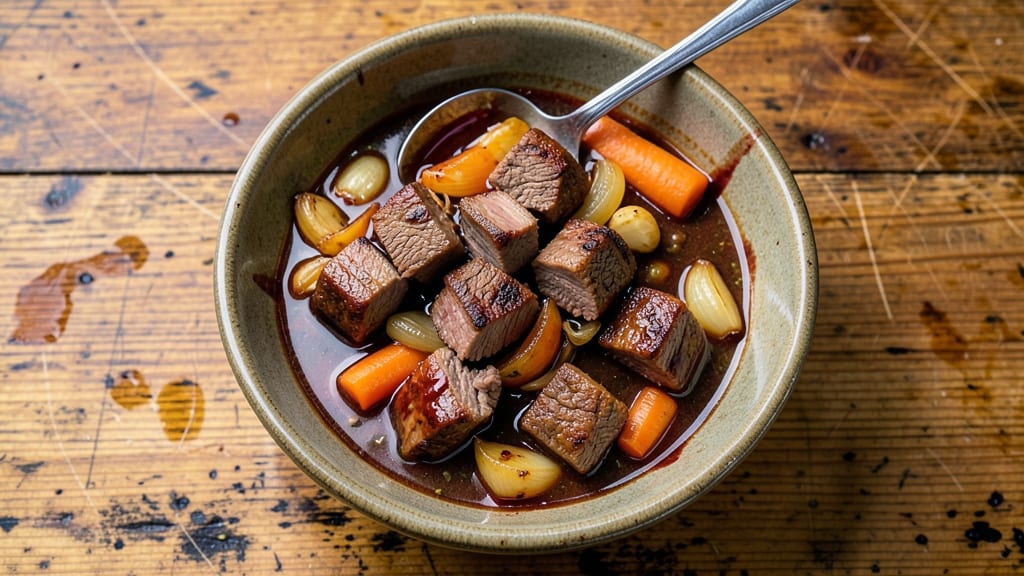
This army stew soup base recipe delivers the rich, slow-simmered foundation that transforms simple ingredients into a deeply flavorful broth packed with umami layers.
The secret lies in caramelizing onions and garlic until they're deep golden, then deglazing with red wine to create a velvety base that builds complexity over hours of gentle simmering.
I've perfected this technique over years of testing—each step designed to extract maximum flavor while keeping the method accessible for home cooks.
The beauty of this soup base is its versatility. Start with a hearty beef broth infused with bay leaves and peppercorns, then build layers of flavor through sautéed vegetables and slow-cooked proteins.
The key technique is reducing the liquid gradually, allowing the natural sweetness of onions and carrots to caramelize while developing a rich, concentrated broth. This isn't just a soup—it's the perfect foundation for a complete meal that can be expanded with dumplings, crusty bread, or fresh herbs at the table.
What you'll achieve is a soup base so deeply flavorful it becomes the star of any meal—think tender chunks of beef, perfectly softened vegetables, and a broth that clings to every spoonful.
The slow simmering process transforms tough cuts into melt-in-your-mouth pieces while infusing the broth with layers of savory depth. This recipe delivers restaurant-quality results with minimal effort, making it ideal for both weeknight dinners and special occasions.
Once you've mastered this base, you can customize it endlessly. Add potatoes for a heartier stew, stir in corn for a Southern twist, or keep it simple with just beef and vegetables.
The possibilities are endless, but the foundation remains the same—a deeply flavorful, slow-simmered broth that makes every bite unforgettable. Let's get started on creating this timeless classic.
Ingredients for army stew soup base
Sixteen ingredients crafting restaurant-quality depth in every spoonful of this army stew base.
| Ingredient | Amount | Notes |
|---|---|---|
| Beef Chuck Roast 🥩 | 2 lb | Cut into 1.5-inch cubes |
| Yellow Onions 🧅 | 3 whole | Medium-sized, thinly sliced |
| Carrots 🥕 | 4 whole | Medium-sized, peeled and chopped |
| Garlic Cloves 🧄 | 6 cloves | Minced for depth |
| Red Wine 🍷 | 1 cup | Bold dry variety like Cabernet |
| Beef Broth 💧 | 6 cups | Homemade or high-quality store |
| Tomato Paste 🍅 | 2 tbsp | For rich umami depth |
| Bay Leaves 🌿 | 2 whole | Fresh preferred for aroma |
| Black Peppercorns 🌶️ | 1 tsp | Crushed for texture |
| Thyme Sprigs 🌿 | 4 whole | Fresh for herbal notes |
| Olive Oil 🫒 | 2 tbsp | Extra-virgin for caramelization |
| Salt 🧂 | 1 ½ tsp | Kosher preferred for balance |
| Parsley 🌿 | ¼ cup | Fresh, chopped for garnish |
The beef chuck roast is non-negotiable—its marbling transforms into tender, flavorful chunks during slow simmering. Costco or Whole Foods carry excellent pre-cubed chuck, but if buying whole, ask the butcher to cut it into 1.5-inch pieces for even cooking. Yellow onions should be firm and vibrant, not sprouting or soft. For the carrots, organic varieties from the grocery store's produce section work best—their natural sweetness caramelizes beautifully. Garlic cloves should be plump and firm, with no green shoots. Penzeys bulk garlic is ideal if you want to stock up.
No red wine? Dry sherry or beef broth with 1 tbsp balsamic vinegar mimics the depth. Fresh thyme unavailable? Dried thyme at one-third the amount suffices. Tomato paste can be substituted with 1 cup crushed tomatoes, though it adds moisture. For the beef broth, Swanson or Pacific Foods brands deliver consistent quality. The olive oil matters—California Avocado or Bertolli varieties caramelize onions beautifully. Preferring less acidity? Use white wine vinegar instead of red wine for deglazing.
This soup base freezes beautifully—portion into airtight containers for up to 3 months. Reheat slowly on the stove with a splash of water to restore richness. For optimal freshness, store the broth in the fridge for 5-6 days with a layer of olive oil on top to preserve flavor. The beef cubes can be removed before freezing if you prefer a smoother texture. Garnish with fresh parsley just before serving to maintain vibrant color.
Why You'll Love This Recipe
- One-Pot Magic: I swear by this recipe when I’m too tired to wash pots—just dump everything in one pot, let it simmer, and walk away. The beef chuck roast practically melts into rich, flavorful chunks while the onions and carrots soften into the broth without any extra effort.
- Wine-Infused Depth: That splash of red wine isn’t just for show—it transforms the soup into something restaurant-worthy with its bold, savory punch. The garlic cloves caramelize slightly, adding a layer of warmth that makes every spoonful feel like a hug.
- Endless Upgrades: Between us, this base is my secret weapon for busy nights. Double it for a potluck, freeze half for later, or turn it into a hearty stew by adding potatoes. Even my picky husband requests it—(yes, even on a Tuesday night).
- Budget-Friendly Powerhouse: A single beef chuck roast stretches across multiple meals, and the veggies are cheap staples. I’ve made this for under $10 per serving, and it still feels like a splurge. Honestly, it’s the kind of recipe that makes grocery shopping feel rewarding.
Step-by-step instructions for army stew soup base
Transform humble ingredients into a deeply flavorful foundation perfect for any hearty stew.
Sear the Beef Chuck Roast for Maximum Flavor
Heat a large Dutch oven over medium-high heat until hot. Add the 2 tablespoons olive oil and swirl to coat the bottom evenly. Working in batches if needed, add the 2 lb beef chuck roast cut into 1.5-inch cubes, ensuring they don't overcrowd the pan. Let them sear undisturbed for 3-4 minutes per side until developing a deep golden-brown crust.
This initial searing creates the Maillard reaction, which builds the rich, caramelized foundation for your stew. Don't rush this step—patience here ensures layers of flavor that can't be achieved any other way. Once browned, transfer the beef to a plate and set aside temporarily.
Develop the Vegetable Base with Caramelized Aromatics
In the same Dutch oven, add the 3 whole yellow onions sliced thinly and the 4 whole carrots chopped into even pieces. Cook over medium heat for 8-10 minutes, stirring occasionally, until the onions become translucent and the carrots begin to soften. Add the 6 cloves minced garlic and cook for an additional 1 minute until fragrant.
The onions should release their moisture and caramelize slightly, creating a sweet, rich base. This step builds the aromatic foundation that will infuse throughout your soup. If the vegetables begin to stick before caramelizing, add a splash of red wine or beef broth to deglaze and maintain moisture.
Build Depth with Wine and Tomato Paste
Pour in the 1 cup red wine and scrape up any browned bits from the bottom of the Dutch oven with a wooden spoon. Let the wine simmer for 3-4 minutes until reduced by half. Stir in the 2 tablespoons tomato paste and cook for another 1 minute to create a smooth, concentrated base.
Here's where the umami magic happens. The wine reduces to intensify its flavor, while the tomato paste adds a rich, savory depth that will carry through the entire cooking process. This combination creates the perfect balance of acidity and sweetness that defines army stew.
Simmer the Stew Base with Herbs and Broth
Return the seared beef to the Dutch oven. Add the 6 cups beef broth, 2 whole bay leaves, 4 whole thyme sprigs, 1 teaspoon crushed black peppercorns, and 1.5 teaspoons salt. Bring the mixture to a gentle boil, then reduce heat to low and let it simmer uncovered for 2-2.5 hours. Stir occasionally to prevent any sticking or burning at the bottom.
During this time, the beef will become fork-tender and the flavors will meld together beautifully. The broth should reduce slightly, concentrating the flavors even further. You'll know it's ready when the beef easily pulls apart with a fork and the vegetables are completely tender. This slow cooking process is what transforms simple ingredients into a deeply flavorful base.
Finish and Prepare for Service
Remove the bay leaves and thyme sprigs from the stew. Taste and adjust the seasoning with additional salt or pepper if needed. For a fresh finish, stir in the 0.25 cup chopped parsley just before serving to brighten the flavors and add a touch of freshness.
This army stew base is now ready to be used as-is for a comforting soup or as the foundation for any hearty stew recipe. The rich, savory flavors will infuse any additional ingredients you choose to add, making this base incredibly versatile. Serve immediately or store in an airtight container in the refrigerator for up to 5 days or freeze for up to 3 months.
Pro Tips For Making Army Stew Soup Base
- Brown the Beef First: I learned this the hard way—skipping the sear means flavorless broth. Cut the chuck roast into 2-inch chunks, pat them dry, and cook in batches over medium-high heat until deep brown (not necessarily cooked through). That crust packs more flavor than any bouquet garni ever could.
- Slice Onions Thin: Yes, even if you’re impatient like me. Thinly sliced yellow onions caramelize faster and dissolve into the stew without turning to mush. Use a mandoline or sharp knife—aim for 1/8-inch slices—and don’t skip the salt while they cook. They’ll break down into sweet, jammy bits that thicken the soup naturally.
- Deglaze with Wine Immediately: As soon as you pull the beef off the pan, pour in that red wine right away. Let it bubble for 2 minutes to lift all the browned bits—those are the flavor bombs. If you wait, you’ll scrape up burnt residue instead of rich, wine-kissed fond. (Pro move: Add a splash of beef stock after the wine to help it along.)
- Simmer Low and Long: This isn’t a 30-minute dinner. After adding liquids, drop the heat to a bare simmer (tiny bubbles, not a rolling boil) and walk away. Three hours minimum—no, really. The collagen in chuck roast melts into gelatin at low temps, turning your soup from good to deeply satisfying. Cover loosely; evaporation concentrates the flavor.
Serving suggestions for this army stew soup base
Classic Bread Pairings
No army stew is complete without crusty bread to soak up every last drop of that rich, savory broth. I always reach for a sourdough loaf from my local bakery—its tangy crumb contrasts beautifully with the stew's deep umami flavors.
For an extra special touch, try a brioche roll from Panera Bread—its buttery texture melts perfectly in the hot soup. 🥖
If you prefer homemade options, a homemade whole wheat baguette adds a hearty texture that complements the beef beautifully. For a lighter option, garlic bread made with Pepperidge Farm French bread and Garlic-Herb Butter (from the same brand) adds a fragrant, aromatic element that elevates the meal.
Fresh Vegetable Sides
Bright, fresh vegetables cut through the richness of the stew and add a refreshing contrast. A simple mixed green salad with romaine, cucumber, and cherry tomatoes tossed in a lemon vinaigrette (using Annie's Organic Salad Dressing) is my go-to.
The acidity from the lemon balances the stew's depth while the crunch keeps every bite exciting. 🥗
For something heartier, roasted Brussels sprouts with a sprinkle of balsamic glaze and crispy bacon bits add a smoky, slightly sweet element that pairs wonderfully. I roast them at 400°F for 20 minutes until caramelized, then finish with crumbled bacon from Oscar Mayer for that perfect salty crunch.
Cheesy Comfort Additions
If you love cheese, a grated sharp cheddar or Parmesan rind stirred into the stew at the end adds a rich, nutty depth. For a showstopper, top individual bowls with crumbled feta cheese and a drizzle of honey—the salty-sweet combo is pure magic.
I use Kalamata olives from Goya to sprinkle on top for an extra Mediterranean flair. 🧀
For a more substantial addition, serve the stew with cheesy dumplings made from Bisquick mixed with shredded cheddar and sour cream. Drop spoonfuls into the simmering stew during the last 10 minutes of cooking—they'll puff up beautifully and soak up all that flavor.
Herb Garnishes for Freshness
Fresh herbs add a bright, aromatic finish that makes the stew feel restaurant-quality. I always stir in chopped fresh parsley just before serving, but cilantro or chives work beautifully too.
For a pop of color, add thinly sliced scallions or microgreens from Whole Foods—they bring a delicate crunch that contrasts perfectly with the tender beef. 🌿
Don’t overlook fresh thyme sprigs or rosemary as garnishes—they echo the flavors already in the stew while adding a fragrant, herbal note. A sprinkle of smoked paprika or crushed red pepper flakes adds a subtle heat that wakes up the palate between bites.
Nutrition facts
Frequently asked questions about army stew soup base
Can I use chicken or pork instead of beef for this stew base?
For chicken, swap the beef chuck for 2 lbs bone-in chicken thighs and reduce simmering time to 45-60 minutes—they cook faster than beef. For pork, use 2 lbs pork shoulder and simmer for 2 hours to achieve tender results. The wine and tomato paste will still create that rich umami base, but adjust cooking times based on your protein choice.
How can I make this stew base vegetarian?
Replace the beef with 2 cups dried chickpeas (soaked overnight) or 2 lbs extra-firm tofu pressed and cubed. Use vegetable broth instead of beef broth and add 1 cup mushrooms for depth. The wine and tomato paste still work beautifully—they'll create a rich, savory foundation even without meat. Simmer for 1.5 hours to develop flavors.
Can I make this stew base in a slow cooker? Yes! Sear the beef and vegetables in a skillet first, then transfer everything to a 6-quart slow cooker. Add all remaining ingredients and cook on low for 8 hours or high for 5 hours. The slow cooker's gentle heat will achieve the same tender results. Just
What's the best way to store leftovers?
Let the stew base cool completely, then transfer to airtight containers with a layer of plastic wrap pressed directly on the surface to prevent skin formation. Store in the fridge for 5-6 days or freeze for 3 months. For reheating, warm on the stove over medium-low heat with a splash of water or broth to restore richness.
Why does my stew base taste bland after simmering?
Bland flavor usually means insufficient reduction or seasoning. Try these fixes:
- Simmer uncovered for 10-15 extra minutes to concentrate flavors,
- Add 1 extra bay leaf or 1 tsp Worcestershire sauce for depth,
- Finish with 1 tbsp balsamic vinegar or 1 tsp fish sauce for umami. The wine reduction step is critical—don't skip letting it reduce by half!